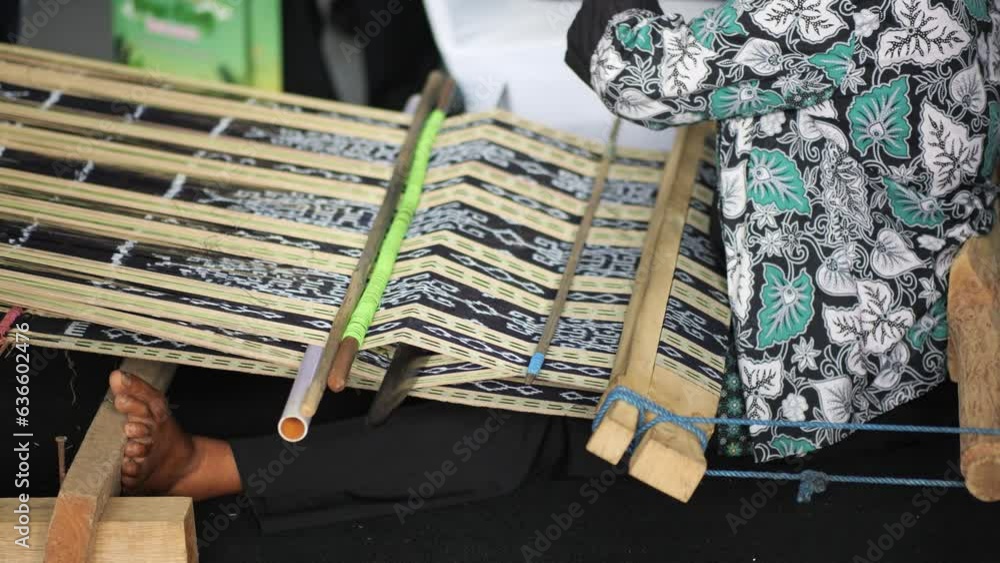
The East Kalimantan provincial government in Indonesia aims to enhance traditional weaving arts by supporting local artisans in Samarinda. This initiative is part of broader efforts to preserve cultural heritage and boost local tourism, as the government seeks to revive traditional weaving arts that are an essential part of the region's cultural identity.
Traditional weaving in Samarinda is considered a symbol of the rich cultural heritage, but this industry has seen a noticeable decline in recent years due to economic and social changes. Therefore, the government is working to provide necessary support to artisans through training programs and workshops aimed at enhancing their skills and developing their products.
Details of the Initiative
The government efforts include the establishment of training programs targeting youth and women in the local community, where they are taught traditional weaving techniques and how to use local materials. Financial and marketing support is also provided to artisans to ensure the sustainability of this industry. These initiatives are expected to create new job opportunities and strengthen the local economy.
Additionally, the government aims to organize local festivals and exhibitions to highlight traditional weaving products and attract tourists. These events will help raise awareness of the importance of cultural heritage and encourage visitors to explore the local culture.
Background & Context
Historically, traditional weaving in Indonesia has been an integral part of local culture, with handwoven fabrics used in social and religious occasions. Over time, this industry has been affected by economic changes and globalization, leading to a decline in interest. Thus, the current government efforts aim to revive this heritage and ensure its continuity for future generations.
Indonesia is one of the countries rich in diverse cultures and traditions, and traditional weaving is one of the most prominent manifestations of this diversity. However, many artisans face significant challenges in maintaining their skills due to a lack of support and resources.
Impact & Consequences
The success of these initiatives could have a significant positive impact on the local community, as it will contribute to enhancing cultural identity and increasing awareness of heritage importance. It could also improve the economic conditions of artisans and increase their income through boosted tourism.
Moreover, reviving traditional weaving arts can foster collaboration between local communities and the government, enhancing the sense of belonging and cultural identity. These efforts could serve as a model for other regions in Indonesia or even in other countries seeking to preserve their cultural heritage.
Regional Significance
These initiatives highlight the importance of preserving cultural heritage, which is also highly valued in the Arab world. Many Arab countries face similar challenges in maintaining traditional arts and crafts, necessitating enhanced local and international efforts to preserve these arts.
The lessons learned from Indonesia's experience can inspire Arab countries to develop similar strategies to preserve their cultural heritage and promote cultural tourism. Enhancing traditional arts can contribute to strengthening cultural identity and boosting the local economy.