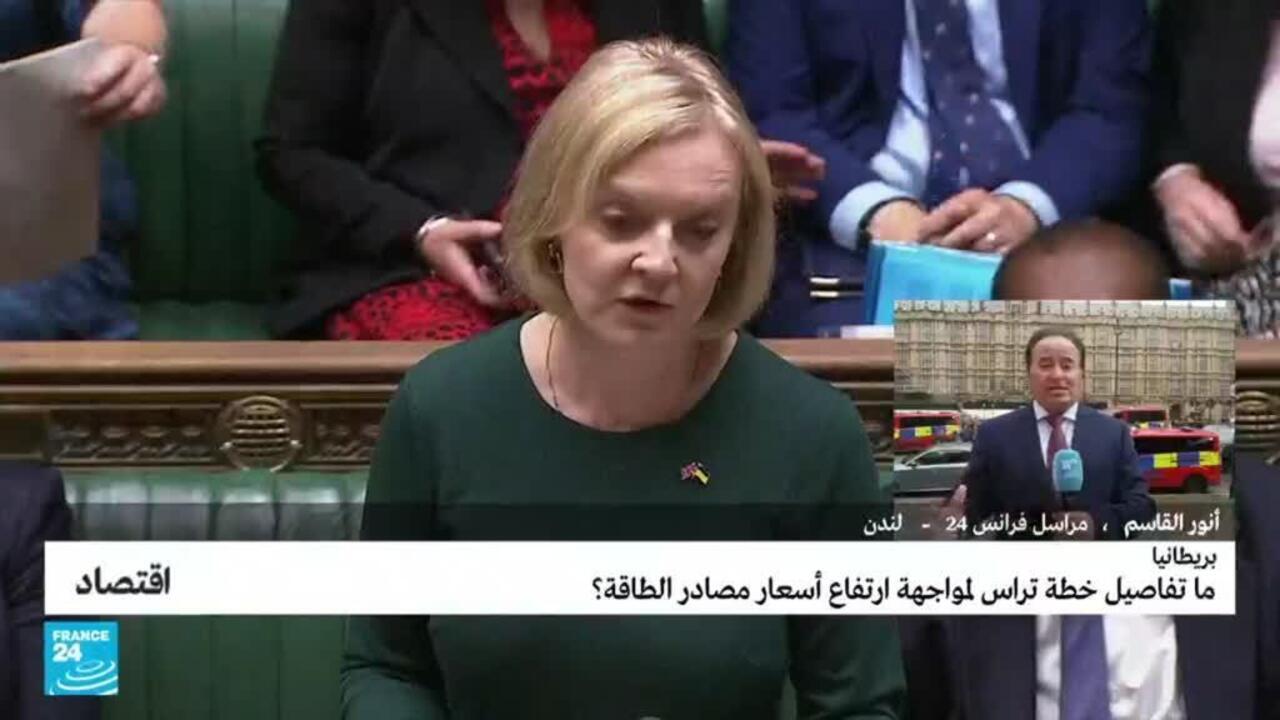
The British government has announced its intention to provide support to the most vulnerable groups in the country, amidst a significant expected rise in energy bills due to the ongoing war between the United States, Israel, and Iran. Finance Minister Rachel Reeves confirmed that the government is working on emergency plans to address all potential scenarios, noting that the full impact of the war on the British economy remains unclear.
Energy bills for millions of citizens in England, Scotland, and Wales are expected to decrease for three months starting in April, under the price cap set by the UK's energy regulator (Ofgem), which is updated every three months. However, a significant jump in gas and electricity costs is anticipated during the summer, prompting many parties to call for government intervention.
Details of the Situation
Reports indicate that approximately one-fifth of the world's oil and liquefied natural gas supplies typically pass through the Strait of Hormuz, which has effectively been closed since the conflict began. Oil and gas prices have surged significantly as the war enters its fourth week, raising concerns that these increases will be reflected in consumer energy prices.
Details of the government support have not been precisely defined, as Reeves confirmed that any support package would be constrained by government borrowing laws and its desire to keep inflation and interest rates as low as possible. She noted that the support would not cover all households, reflecting a departure from the comprehensive energy price guarantee policy implemented after the Russian invasion of Ukraine in 2022.
Background & Context
Historically, Britain has faced multiple energy crises, but the Ukrainian war marked a significant turning point in how the government addresses energy prices. This war has led to unprecedented increases in gas and oil prices, directly impacting the cost of living in the country. As tensions rise in the Middle East, the situation appears to be becoming more complicated.
In this context, pressure is mounting on the British government from opposition parties, with shadow chancellor Sir Keir Starmer accusing the government of leaving the British economy in disarray. He pointed out that citizens are facing a decline in living standards, necessitating an immediate and effective government response.
Impact & Consequences
The repercussions of the US-Israeli war on the British economy are part of a larger crisis concerning global energy prices. With rising oil prices, all economic sectors are expected to be affected, leading to increased inflation and a decline in consumers' purchasing power. These conditions may exacerbate social and economic crises in the country.
The British government is seeking to establish a new framework to combat price exploitation, with Reeves announcing the creation of a new anti-monopoly framework by the Competition and Markets Authority, granting it powers to confront companies that exploit rising prices. However, the effectiveness of these measures in addressing current challenges remains in question.
Regional Significance
The Arab region is directly affected by global crises, as rising energy prices impact the economies of many Arab countries that heavily rely on oil exports. Additionally, conflicts in the Middle East, such as the war between the US, Israel, and Iran, may exacerbate security and economic conditions in the region, increasing pressures on Arab governments.
In conclusion, the situation in Britain and the Arab region remains complex, as current crises demand a swift and effective response from governments to ensure market stability and protect the most vulnerable groups.