Indonesian Minister of Housing and Urban Areas, Murodar Sirait, has unveiled an ambitious project to construct housing units based on collaboration between the government and the private sector, aimed at providing decent housing for citizens. This project was announced during a press conference in the capital, Jakarta, where the minister emphasized the importance of this model in addressing the challenges related to housing provision in urban areas.
Sirait explained that the collaborative model applied in the "Rusun Cinta Kasih Tzu Chi" project in the Cinkaring area of Jakarta is a successful example of how the community can benefit from government land. This land is being utilized to meet the needs of citizens while ensuring professional management to maintain the quality and sustainability of the housing.
Event Details
The minister expressed his appreciation for the "Rusun Cinta Kasih Tzu Chi" project, which is considered an ideal model for building integrated housing units. The project includes educational facilities from kindergartens to high schools, as well as a hospital, children's gardens, and small commercial centers managed by local families. He confirmed that this type of project represents what communities need, combining housing with economic and social life.
In a related context, the head of the State-Owned Enterprises Regulatory Agency, Doni Oskaria, affirmed the agency's commitment to supporting the acceleration of national housing provision through collaboration among various sectors. He noted that the agency is ready to support the "3 Million Homes" program by encouraging housing models like this project to be replicated in other areas.
Background & Context
Indonesia faces significant challenges in housing, with increasing demand for homes in major cities due to population growth and migration from rural to urban areas. These challenges have led to rising property prices, making it difficult for many families to secure decent housing. Therefore, the government is seeking to implement innovative strategies to overcome this crisis.
Historically, Indonesia has relied heavily on government projects for housing, but with increasing economic pressures, it has become essential to involve the private sector in these efforts. The collaboration between the government and the private sector is considered a crucial step towards achieving sustainable development in this field.
Impact & Consequences
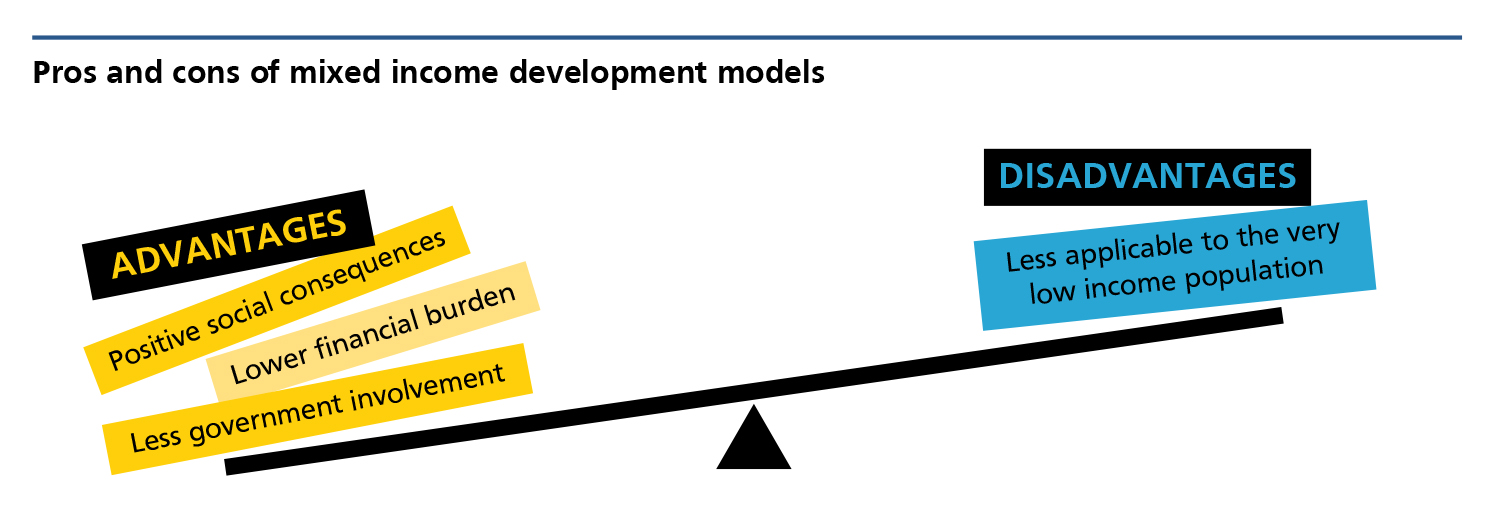
This project serves as a model for effectively managing government resources to meet community needs. By involving the private sector, the quality of services provided can be improved, and the efficiency of housing project management can be increased. Additionally, this collaboration may contribute to creating new job opportunities and boosting the local economy.
Furthermore, the success of this model could encourage other countries facing similar housing challenges to adopt similar strategies. This reflects the importance of collaboration between the public and private sectors in achieving sustainable development.
Regional Significance
Many Arab countries also face housing challenges, particularly amid rapid population growth and urban expansion. Indonesia's experience can be seen as a model for addressing these issues. Arab nations can benefit from this collaboration between the government and the private sector to provide decent housing for their citizens.
In conclusion, this project in Indonesia demonstrates how collaboration between the public and private sectors can contribute to improving citizens' quality of life and effectively meeting their housing needs. The success of this model may open new horizons for sustainable development in various regions around the world.