The Pakistani government has announced a fuel price increase, with prices for gasoline and diesel rising by up to 50%, just two weeks after a previous increase of 20%. This move is part of the government's efforts to address the economic challenges facing the country, which have been exacerbated by the global rise in oil prices.
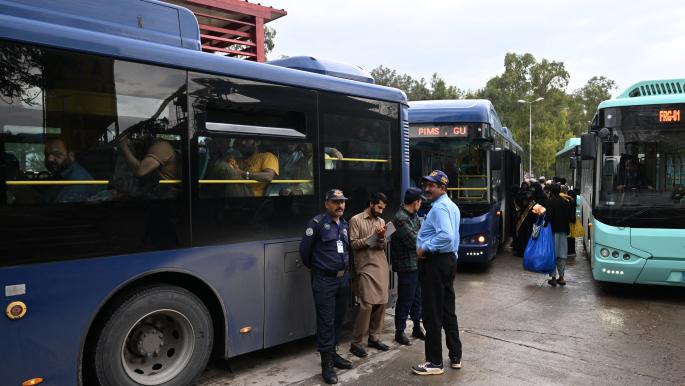
In an attempt to alleviate the negative impact on citizens, the government has also decided to open public transport for free throughout this month. This initiative aims to support citizens who have been significantly affected by the rise in fuel prices and to provide them with an affordable means of transportation.
Details of the Fuel Price Increase
This fuel price increase comes at a time when Pakistan is grappling with a severe economic crisis, characterized by soaring inflation rates that have impacted citizens' purchasing power. The Pakistani Finance Minister indicated that this increase is a result of rising global oil prices, along with internal economic pressures.
Fuel prices are one of the main factors affecting the cost of living in Pakistan, as many citizens rely on public transport. Therefore, the decision to offer free public transport is seen as a positive step given the current circumstances.
Background & Context
In recent years, Pakistan has experienced significant economic fluctuations, influenced by the repercussions of the COVID-19 pandemic, as well as political and economic crises. These conditions have led to increased poverty and unemployment rates, posing substantial challenges for the government in managing the economy.
Fuel prices in Pakistan are among the highest in the region, further exacerbating the hardships faced by citizens. The government has previously attempted to implement measures to curb price increases, but has struggled to achieve long-term stability.
Impact & Consequences
This increase in fuel prices is expected to significantly affect various economic sectors in Pakistan, including transportation and trade. While the provision of free public transport may help alleviate some burdens on citizens, it may not be sufficient to address the larger economic challenges.
Concerns are growing that this price hike could lead to public protests, as citizens express their dissatisfaction with the deteriorating economic conditions. The country has previously witnessed protests against rising fuel prices, which may raise concerns for the government.
Regional Significance
Pakistan is one of the countries facing significant economic challenges, and its experience in dealing with rising fuel prices may be informative for other countries in the region. In light of global economic crises, Arab nations may also face similar challenges in managing fuel prices and their impact on citizens.
Many Arab countries are striving for economic stability, and it may be beneficial for them to study the experiences of other nations like Pakistan in confronting economic crises.
In conclusion, the economic situation in Pakistan remains under scrutiny, as citizens look to the government for effective measures to improve their living conditions and alleviate the growing economic burdens.