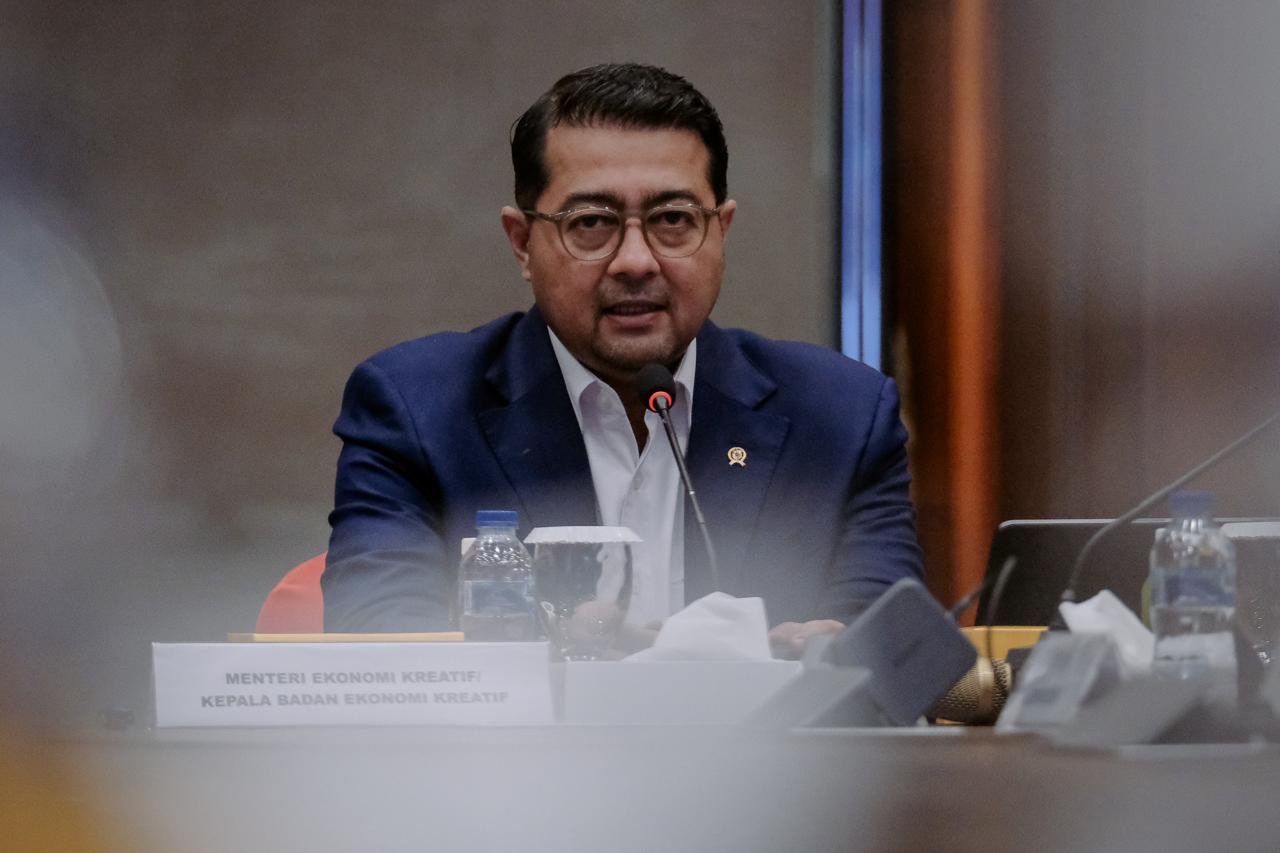
In a move reflecting the government's direction towards enhancing the creative economy, the Vice Chairman of the Energy Committee in the Indonesian parliament, Lamot Sinaka, confirmed that the establishment of the Ministry of Creative Economy (Kemenkraf) is a correct decision by President Prabowo Subianto. This step comes at a time when there is increasing interest in protecting and promoting local creativity, especially in light of the challenges facing creative industries.
Lamot Sinaka stated in a press release that the government will be able to focus more on enhancing the business environment in the creative economy sector, contributing to the protection of creators' rights and ensuring optimal economic value for their work. He pointed out that this step represents significant progress in supporting national creativity.
Details of the Announcement
Lamot Sinaka's statements came in response to a case involving photographer and videographer Amal Sitbo, who called for the Ministry of Creative Economy's intervention to protect the rights of workers in this sector. He emphasized that this case should motivate everyone to think about how to ensure a safe and fair environment for creators.
He added that the creative economy is no longer just an additional sector; it has become one of the fundamental pillars for future economic growth. He noted that recent data shows this sector contributed over 1,300 trillion rupiah to Indonesia's GDP in recent years, reflecting the immense potential it holds.
Background & Context
Historically, the creative economy in Indonesia has seen remarkable growth, encompassing various fields such as cinema, music, design, and digital content. With the increasing use of digital technology, this sector has become more capable of attracting investments and providing job opportunities.
According to reports, over 20 million people are engaged in various areas of the creative economy, reflecting the growing importance of this sector in providing job opportunities and stimulating economic growth. However, many workers in this field face challenges related to the lack of clear contracts or adequate social protection.
Impact & Consequences
The establishment of the Ministry of Creative Economy is considered a strategic step aimed at enhancing Indonesia's position as a center for creativity in the region. By providing support and protection for creators, the government can contribute to the sustainable growth of this sector.
This step may also lead to improved working conditions for those in this field, helping to reduce the economic and legal risks many face. As reliance on digital platforms increases, it becomes essential for the government to adopt policies that protect creators' rights and ensure them a safe working environment.
Regional Significance
Indonesia's experience in enhancing the creative economy could serve as a model for Arab countries, which face similar challenges in supporting cultural and creative industries. By adopting similar policies, Arab nations can enhance their creative capacities and provide new job opportunities for their youth.
In conclusion, the establishment of the Ministry of Creative Economy in Indonesia represents an important step towards fostering creativity and protecting the rights of creators. Government support for this sector could contribute to achieving sustainable economic growth and enhance Indonesia's position on the international stage.