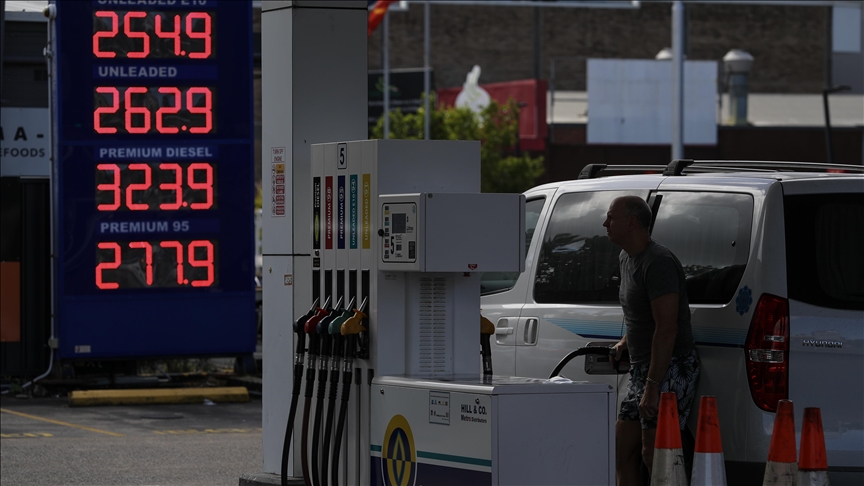
Governments worldwide are intensifying energy conservation measures in response to the ongoing rise in gas and oil prices. These initiatives include promoting remote work, reducing private vehicle use, and limiting government officials' travel abroad. These measures come at a time when many countries are facing increasing economic pressures due to rising energy prices, impacting household and business budgets.
Several countries have announced new plans aimed at reducing dependence on fossil fuels and enhancing public transportation options. Citizens are encouraged to utilize public transport as an alternative to private cars, contributing to lower carbon emissions and improved air quality.
Details of the Measures Implemented
Reports indicate that many European countries, such as Germany and France, have already begun implementing strict measures to reduce energy consumption. For instance, companies are encouraged to adopt remote work systems, which decreases the need for daily commuting. Additionally, the use of private vehicles has been curtailed through traffic restrictions in some major cities.
Furthermore, travel for government officials abroad has been restricted as governments seek to cut costs associated with travel. These steps come at a time when the global market is experiencing sharp fluctuations in energy prices, increasing pressures on local economies.
Background & Context
Historically, energy markets have experienced significant fluctuations, but the current situation is considered among the most challenging. Following the COVID-19 pandemic, energy demand has surged, leading to supply shortages and rising prices. Geopolitical conflicts, such as the Ukraine crisis, have exacerbated these crises, prompting governments to seek quick and effective solutions.
In recent years, many countries have begun taking steps towards transitioning to renewable energy sources. However, reliance on fossil fuels remains high, making these current measures essential to address economic challenges.
Impact & Consequences
These measures directly affect citizens' lives, as fuel prices are expected to rise further in the near future. While reducing private vehicle use may lead to improved air quality, citizens may face challenges in adapting to public transportation.
For businesses, these measures could lead to changes in work models, as many companies will need to rethink their strategies to adapt to the new conditions. There may be a need to invest in new technologies that support remote work and reduce reliance on traditional energy sources.
Regional Significance
In the Arab region, these measures may serve as a warning for countries heavily reliant on oil and gas exports. With rising energy prices, these nations may face challenges in maintaining economic stability. It is crucial for Arab countries to adopt effective strategies to reduce dependence on fossil fuels and promote renewable energy sources.
In conclusion, the current situation requires a concerted effort at both global and local levels to address the challenges associated with rising energy prices. Taking effective steps now may help build a more sustainable future for all.