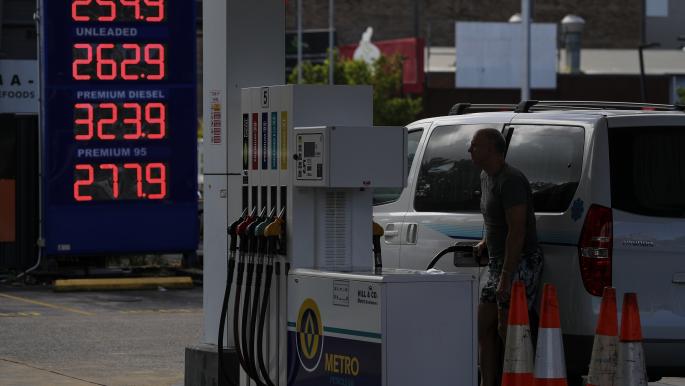
The world’s economies are under increasing pressure from the energy crisis exacerbated by ongoing conflicts in the region. This crisis has prompted many governments to make emergency decisions aimed at rationalizing energy consumption and increasing support to counter the sharp rise in fuel prices.
Countries are striving to implement effective strategies to tackle the economic challenges arising from this crisis, as global markets are significantly affected by rising energy prices. These steps are deemed essential to maintain national economic stability and ensure energy availability for citizens.
Details of the Crisis
Concerns are growing that the energy crisis could lead to a slowdown in economic growth in many countries, forcing governments to take swift action. Reports have shown that oil and gas prices have reached unprecedented highs, negatively impacting the cost of living.
In this context, some governments have announced plans to reduce energy consumption by encouraging the use of public transportation and providing incentives for citizens to utilize renewable energy. Additional budgets have also been allocated to support the most affected groups by rising prices, such as low-income families.
Background & Context
The roots of the current energy crisis can be traced back to several factors, including geopolitical conflicts in the region, which have led to reduced supplies and increased tensions in global markets. Additionally, the COVID-19 pandemic has contributed to disrupting supply chains, further complicating the situation.
Historically, many countries have experienced similar energy crises, where wars and conflicts led to rising fuel prices and declining production. However, the current crisis is considered among the most impactful, given the interplay of economic and political factors.
Impact & Consequences
Economic analyses predict that the energy crisis will have negative repercussions on global economic growth, with some countries potentially heading towards recession. Furthermore, rising prices may increase inflation rates, putting pressure on governments to take additional measures.
This crisis is likely to lead to changes in economic policies, as countries may seek to boost investments in renewable energy and energy efficiency technologies. These changes could also affect trade relations between countries, increasing geopolitical tensions.
Regional Significance
Arab countries are among the most affected by the energy crisis, as many rely on oil and gas exports as a primary source of revenue. With rising prices, some countries may benefit from increased revenues, while others will face significant challenges in meeting their citizens' needs.
These circumstances require Arab governments to take proactive steps to ensure local market stability and provide necessary support for the most affected groups. Additionally, enhancing regional cooperation in the energy sector may be one of the proposed solutions to address this crisis.
In conclusion, the energy crisis remains a significant challenge facing the world, necessitating international coordination and joint efforts to ensure energy sustainability and achieve economic stability.