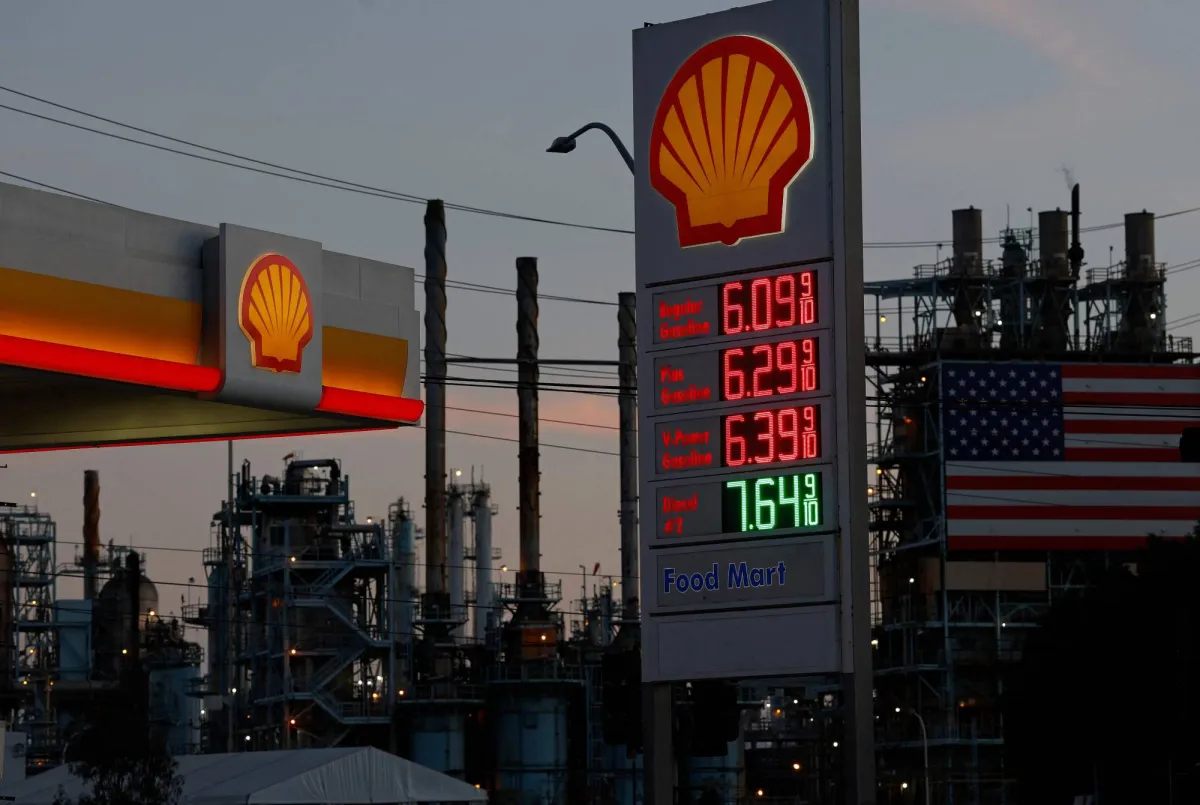
Governments in countries around the world are seeking to take urgent measures to address the repercussions of the sharp rise in energy costs, resulting from global supply disruptions caused by geopolitical conflicts, particularly the U.S.-Israeli war on Iran. These increases in fuel and electricity prices have prompted many countries to adopt measures aimed at protecting consumers and ensuring market stability.
In India, the government has begun reviewing fuel exports, prioritizing the domestic market. Consumers connected to gas networks have been prohibited from using liquefied petroleum gas cylinders to regulate consumption. Emergency powers have been activated to increase cooking gas production, while supplies directed to the industrial sector have been reduced to ensure households' needs are met.
Details of the Situation
In South Korea, the government has decided to enhance domestic energy production by easing restrictions on coal plants and increasing the operation of nuclear power plants to 80% of their capacity. The government is also considering distributing additional support vouchers to households most affected by rising fuel prices. In a parallel move, Seoul has begun implementing a ban on naphtha exports.
Meanwhile, in China, authorities have imposed restrictions on refined fuel exports as a precautionary measure to avoid any potential shortages in local supplies, allowing withdrawals from fertilizer reserves to support the agricultural sector. In Singapore, the government announced the acceleration of the implementation of support measures announced in the budget to alleviate the burdens on households and businesses.
Background & Context
These measures are continuing across Asia, with Indonesia seeking to increase coal production and considering imposing taxes on exports, while Japan has announced the easing of restrictions on the use of coal-fired power plants. It has also called for international coordination through the G7 and the International Energy Agency to support market stability.
In Europe, EU institutions have called for temporary measures including tax reductions on electricity and network-related fees, in addition to providing direct government support to households. In Italy, the government is considering reducing fuel taxes, while Spain is preparing to pass measures that include financial subsidies to assist citizens.
Impact & Consequences
Pressure is increasing on markets and economies amid these geopolitical tensions, as many countries are moving to adopt various measures to confront rising energy prices. In Latin America, Argentina has postponed fuel tax increases, while South Africa has temporarily reduced fuel tax.
In the Middle East, Egypt has taken measures to regulate internal markets, setting a ceiling on the price of unsubsidized bread and deciding to raise the price of locally purchased wheat to enhance the strategic stock of essential commodities. These measures reflect the extent of the impact of global crises on local policies.
Regional Significance
These developments directly affect the Arab region, where economic pressures are increasing due to rising energy costs. Arab countries are seeking to enhance the stability of their local markets through swift actions, reflecting the urgent need to adapt to global changes.
In conclusion, governments around the world continue to adapt their policies to face supply challenges and price fluctuations, highlighting the importance of international cooperation in addressing economic crises.