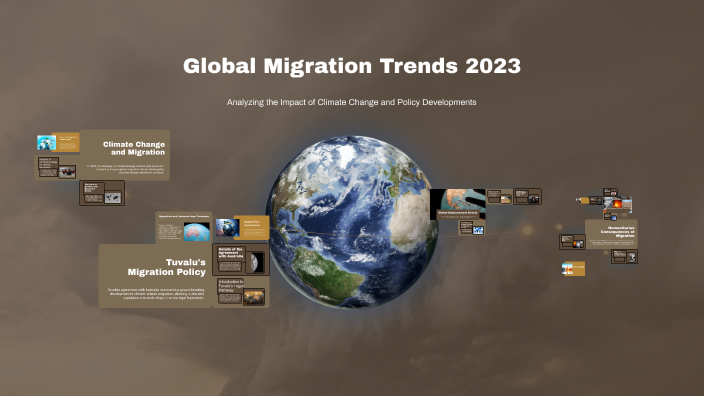
Recent reports indicate a significant increase in the number of migrants worldwide, surpassing 280 million, which has raised concerns among governments in many countries. This rise in migrant numbers comes amid the difficult economic and political conditions faced by some nations, prompting many to seek better opportunities elsewhere.
In recent years, many European and American countries have experienced a substantial influx of migrants, leading to increased discussions regarding immigration policies. This phenomenon reflects the challenges governments face in managing the flow of migrants, with some countries seeking to strengthen their borders and implement stricter policies.
Details of the Situation
According to a report from the International Organization for Migration, the number of migrants has increased by 27% over the past decade. Part of this increase can be attributed to armed conflicts and economic crises in certain countries, such as Syria and Venezuela. Additionally, climate change is playing an increasingly significant role in driving people to migrate, as many face harsh environmental conditions that affect their livelihoods.
Governments are striving to develop new strategies to address this phenomenon, with some countries adopting more open policies towards migrants, while others are implementing stricter measures. For instance, the U.S. government has announced plans to reduce the number of migrants accepted annually, which has elicited mixed reactions from human rights organizations.
Context and Background
Historically, migration has always been part of the human experience, as people seek new opportunities in different places. However, current conditions differ significantly from the past, with migration increasingly linked to global crises. For example, the war in Syria has led to the displacement of millions of citizens, impacting neighboring countries and Europe in particular.
Economic crises in countries like Venezuela have also driven many to leave their homeland in search of a better life. These dynamics render migration a complex issue that requires a comprehensive response from governments and the international community.
Impacts and Consequences
The increase in migrant numbers significantly affects host countries, which face challenges in providing essential services such as education and healthcare. There are also concerns that this increase may exacerbate social and political tensions in some communities.
On the other hand, migration can contribute to strengthening the local economy, as migrants bring new skills and enhance the labor market. However, challenges related to social and cultural integration remain, necessitating collaborative efforts from all stakeholders involved.
Impact on the Arab Region
The Arab region is considered one of the most affected areas by the phenomenon of migration, with many Arab countries, such as Syria and Iraq, experiencing mass displacement due to armed conflicts. This displacement not only affects host countries but also creates new challenges for countries experiencing migration.
Arab nations are striving to develop strategies to address this phenomenon, with some collaborating with international organizations to provide support for migrants. Nevertheless, challenges persist, requiring a comprehensive response from the international community.
In conclusion, migration remains one of the most complex issues in the world today, necessitating a comprehensive response from governments and the international community. Understanding the underlying causes of this phenomenon and how to address it is essential for ensuring a better future for all.