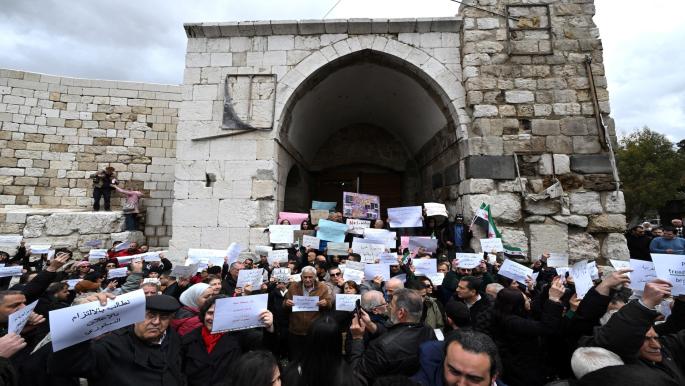
The recent decision by the Governor of Damascus to restrict the sale of alcoholic beverages to specific neighborhoods has ignited a significant debate within Syrian society. Many view this decision as an unjust form of discrimination, especially in light of the social and cultural transformations occurring in the country.
This step comes at a time when the sale of alcoholic beverages is on the rise globally, including in countries that once prohibited it. Critics argue that this decision contradicts global trends that are embracing new cultures.
Details of the Decision
The Governor of Damascus announced the decision to designate specific areas for the sale of alcoholic beverages, which has led to discontent among citizens. Some believe that this decision restricts individual freedom in choosing what they wish to consume and reflects discriminatory attitudes towards citizens.
Opponents have also pointed out that this decision could lead to the proliferation of a black market, as some individuals may seek to obtain alcoholic beverages through illegal means, increasing health and social risks.
Background & Context
Historically, there has been considerable debate surrounding the sale of alcoholic beverages in Arab societies, with opinions varying between supporters and opponents. In recent years, some Arab countries have undergone transformations in this context, beginning to open up to new cultures, which has led to an increased demand for alcoholic beverages.
Damascus, as a cultural and historical capital, is a center for many social trends. However, government decisions in this regard often reflect prevailing political and religious attitudes, making it challenging to achieve a balance between individual freedom and social constraints.
Impact & Consequences
This decision may have negative repercussions on the local economy, as many shop owners rely on the sale of alcoholic beverages as a primary source of income. Additionally, restricting alcohol sales could impact tourism, as many tourists prefer visiting places that offer a variety of drink options.
Furthermore, this decision could exacerbate divisions within society, as some feel excluded from their basic rights. This may contribute to worsening social and political crises in the country.
Regional Significance
This issue is part of a broader discussion about individual freedoms in the Arab world. There are increasing demands for individual rights in many countries, raising questions about how governments respond to these demands.
While some countries are striving to open up to new cultures, decisions like that made by the Governor of Damascus may reflect a resistance to change. This could affect Syria's image in the Arab world, where many seek to achieve a balance between tradition and modernity.
In conclusion, the Governor of Damascus's decision regarding the sale of alcoholic beverages remains a contentious topic, reflecting tensions between individual freedoms and social constraints. As discussions on this issue continue, there remains hope for achieving a balance that ensures the rights of all.