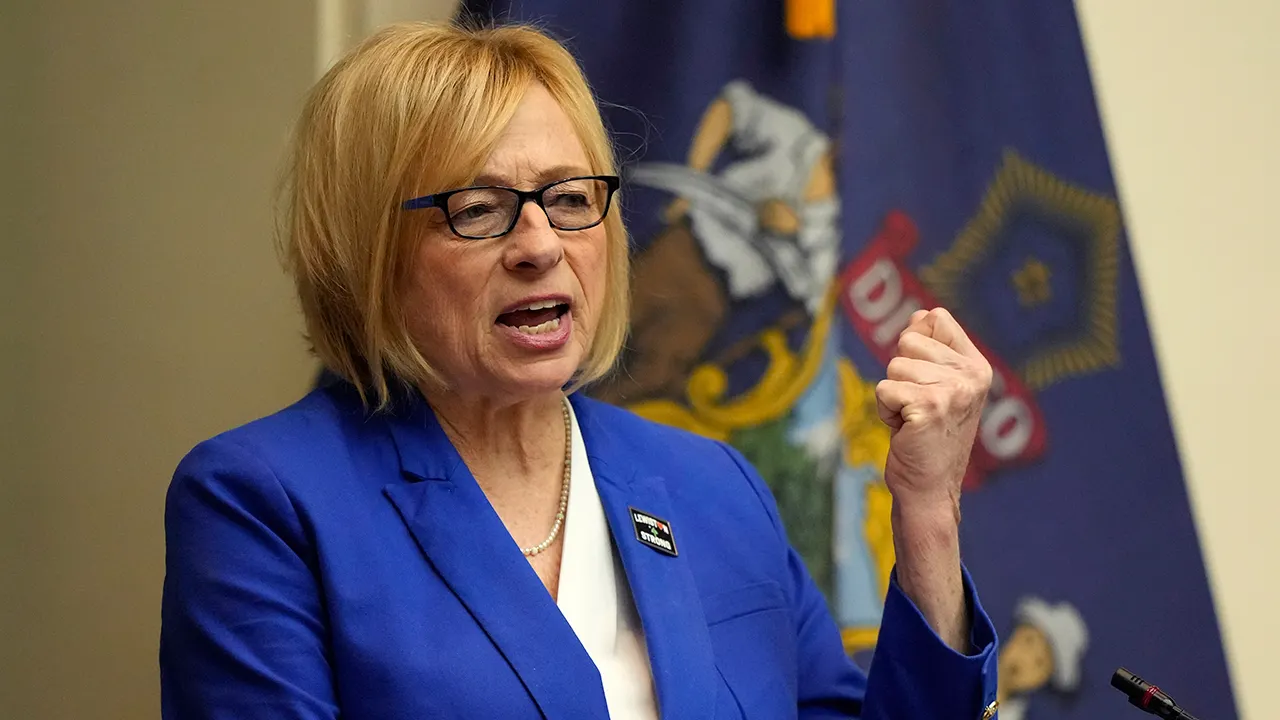
The Governor of Maine, Janet Mills, has rejected a proposed ban on the establishment of new data centers, which was set to last until November 1, 2027. This decision raises questions about the future of digital infrastructure development in the state, as data centers are considered a vital part of the modern digital economy.
The bill known as L.D. 307 aimed to impose the first statewide ban of its kind in the United States, reflecting growing concerns about the environmental impact of data centers. However, Governor Mills argued that this ban could hinder economic growth and negatively affect job opportunities in the region.
Details of the Decision
Data centers are critical facilities that support digital services, including cloud storage, data analysis, and artificial intelligence applications. As reliance on technology increases, the need for these centers grows, making the governor's decision controversial. Some observers pointed out that the ban would have delayed new projects that could contribute to boosting the local economy.
At the same time, the bill raised concerns about energy consumption and the environmental impact of data centers. These facilities require vast amounts of energy to operate and cool, contributing to increased carbon emissions. Nevertheless, Governor Mills believes that a balance can be achieved between economic growth and environmental preservation through the development of more sustainable policies.
Background & Context
Historically, the United States has seen a significant increase in the number of data centers, which have become an integral part of the digital economy. However, this increase has come with substantial environmental challenges. In recent years, many states have begun imposing restrictions on the establishment of new data centers, reflecting growing concerns about environmental sustainability.
In Maine, there have been calls from some environmental groups for stricter regulations on data centers, as they argue that these facilities exacerbate the climate crisis. However, Governor Mills sees innovation and economic growth as priorities, reflecting a delicate balance between competing interests.
Impact & Consequences
Governor Mills' decision could have far-reaching implications for the future development of data centers in Maine. On one hand, this decision may attract more investments in this sector, contributing to the creation of new jobs and bolstering the local economy. On the other hand, it may provoke criticism from environmental groups concerned about the impact of data centers on the environment.
Moreover, this decision could have implications at the national level, as it may encourage other states to take similar steps or, conversely, prompt them to impose stricter regulations on data centers.
Regional Significance
In the Arab region, the importance of data centers is increasing with the growing reliance on digital technology. Arab countries are in urgent need of developing strong digital infrastructure to support economic growth. Therefore, Maine's experience may provide valuable lessons for Arab nations seeking to balance economic growth with environmental preservation.
Ultimately, the question remains about how to achieve this balance amid increasing environmental challenges. Developing sustainable policies could be key to success in this area.