Greek Prime Minister Kyriakos Mitsotakis announced today, Wednesday, a historic decision to ban social media usage for children under the age of 15, effective from January 1, 2027. This move is part of the government's efforts to mitigate the increasing negative effects of digital usage among minors, which include rising rates of anxiety and sleep disorders.
In press statements, Mitsotakis explained that the decision came in response to growing concerns from parents and the community, noting that the government conducted extensive consultations before making this decision. He expressed hope that other countries would follow this model, emphasizing that the goal is to push the European Union towards adopting a unified policy on this matter.
Details of the Decision
Results from a public opinion poll conducted last February indicated that approximately 80% of participants support the imposition of this ban, reflecting broad public backing for the decision. The Greek government has taken preliminary steps, such as banning mobile phone usage within schools and launching parental control platforms, aimed at reducing screen time among teenagers.
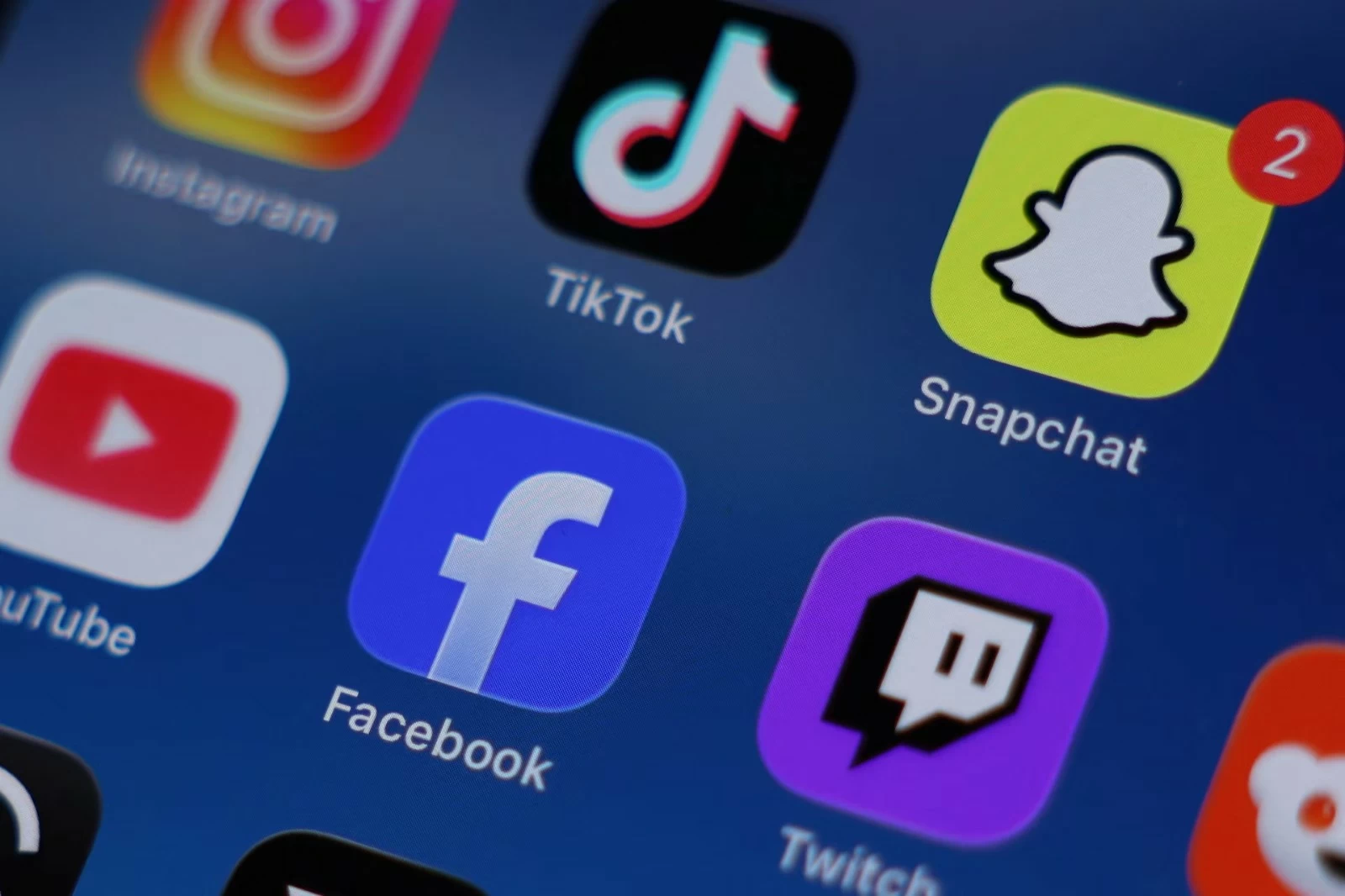
This initiative aligns with a growing global trend to restrict children's access to social media. Australia was the first country in the world to impose a similar ban on those under 16 last December, which included popular platforms such as TikTok, YouTube, Instagram, and Facebook.
Background & Context
Despite objections from some companies owning these platforms, such as Meta, they have confirmed their commitment to implementing the new laws. In this context, the Greek government clarified that it currently lacks the authority to compel companies to verify users' ages, but it recommends using age verification mechanisms approved within the European Union, while inviting parents to actively participate in monitoring.
Dimitris Papastergiou, the Minister of Digital Governance, confirmed that platforms will be required starting in 2027 to restrict access for underage users or face fines of up to 6% of their global revenues, according to the European Digital Services Act. The Greek parliament is expected to pass the legislation regarding the ban by mid-2026.
Impact & Consequences
In a formal letter to European Commission President Ursula von der Leyen, Mitsotakis called for the adoption of a unified European framework, stressing that national measures alone will not suffice. He also proposed setting a "digital maturity age" at 15 across the Union, with mandatory and periodic age verification for users, and establishing a unified system for penalties and enforcement by the end of 2026.
Akis Skertsos, the Minister of State, emphasized that national legislation remains closely linked to European laws, asserting that the absence of a comprehensive European framework will limit the effectiveness of any local decisions.
Regional Significance
This Greek step serves as a model for other countries, including Arab nations, which face similar challenges in protecting children from online dangers. This initiative may encourage Arab countries to reconsider their policies regarding children's use of social media.
In conclusion, this decision reflects the Greek government's commitment to protecting children from digital risks and underscores the need for unified European cooperation to address common challenges in this area.