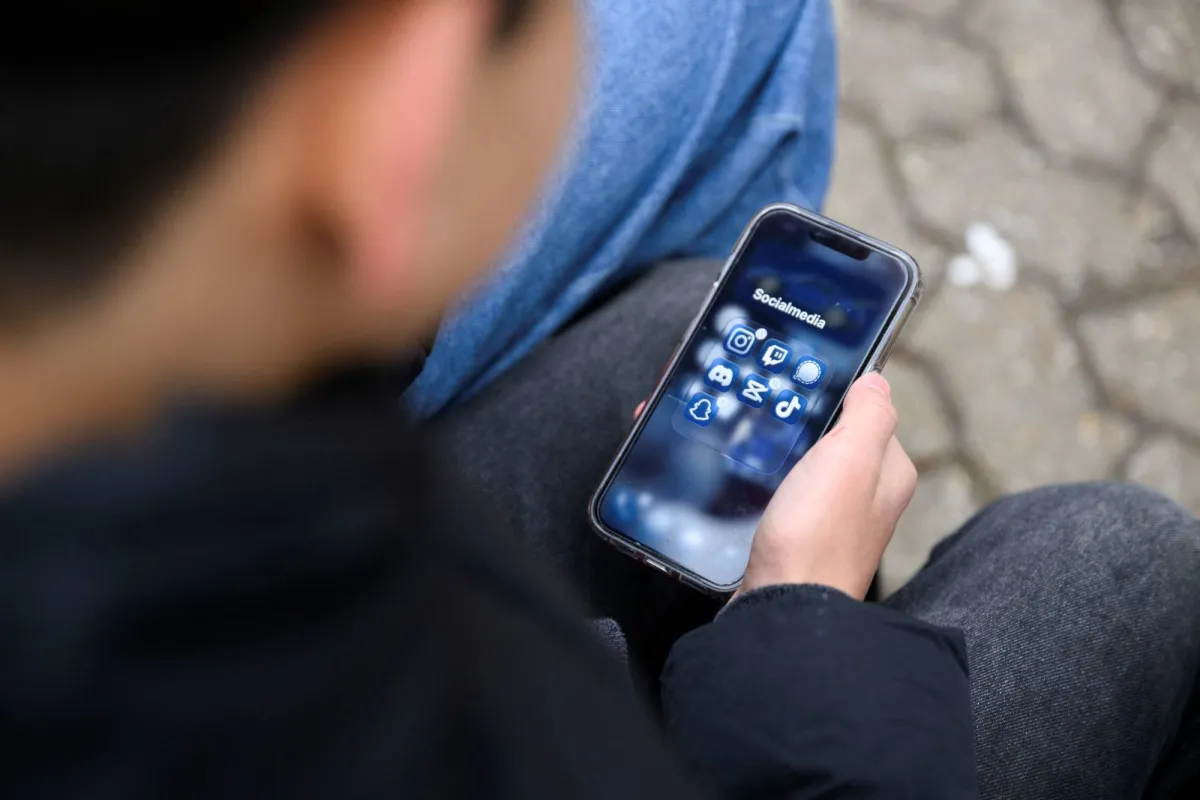
The Greek government has officially announced the intention of Prime Minister Kyriakos Mitsotakis to impose a ban on social media usage for children under the age of 15. This move is part of the government's efforts to safeguard children from internet-related dangers, especially given the increasing anxiety regarding the effects of social media on the mental health of children and adolescents.
Several European countries are moving towards similar measures, with Slovenia, the UK, Austria, and Spain reporting that they are working on implementing comparable bans. Australia has already taken the lead, becoming the first country in the world to prohibit access to social networks for children under 16.
Details of the Announcement
The announcement from the Greek government comes at a time when global concerns about the impact of social media on children are escalating. Research has shown that excessive use of these platforms can lead to psychological issues such as depression and anxiety. In this context, Greek officials are seeking to enhance legal protections for children in the digital space.
The ban is expected to include strict measures, with fines imposed on companies that allow underage children to use their platforms. The government will also work to educate families about the importance of monitoring children's internet and social media usage.
Background & Context
Concerns regarding the effects of social media on children are growing worldwide. Studies indicate that children spending prolonged periods on these platforms may face sleep problems, increased levels of anxiety, and depression. Exposure to harmful content or cyberbullying can also have negative repercussions on children's mental health.
Many countries are striving to establish legislation aimed at protecting children in the digital realm. In recent years, numerous initiatives have been introduced in various nations to mitigate the risks associated with social media use, including age restrictions and educational programs for families.
Impact & Consequences
This ban is expected to significantly affect how children in Greece use social media. If implemented effectively, it could lead to a reduction in the number of children using these platforms, potentially contributing to improved mental health outcomes.
This decision may also encourage other countries to take similar actions, potentially resulting in changes in how social media is regulated globally. As awareness of the risks associated with these platforms increases, we may witness greater movements towards protecting children in the digital space.
Regional Significance
In the Arab region, the issue of protecting children from internet and social media risks remains a critical topic. Concerns about the impact of these platforms on youth are rising, necessitating similar measures to those adopted by European countries.
The Greek experience could inspire Arab nations to develop policies aimed at safeguarding children and enhancing family awareness regarding potential risks. Such steps may contribute to creating a safer digital environment for children in the Arab world.