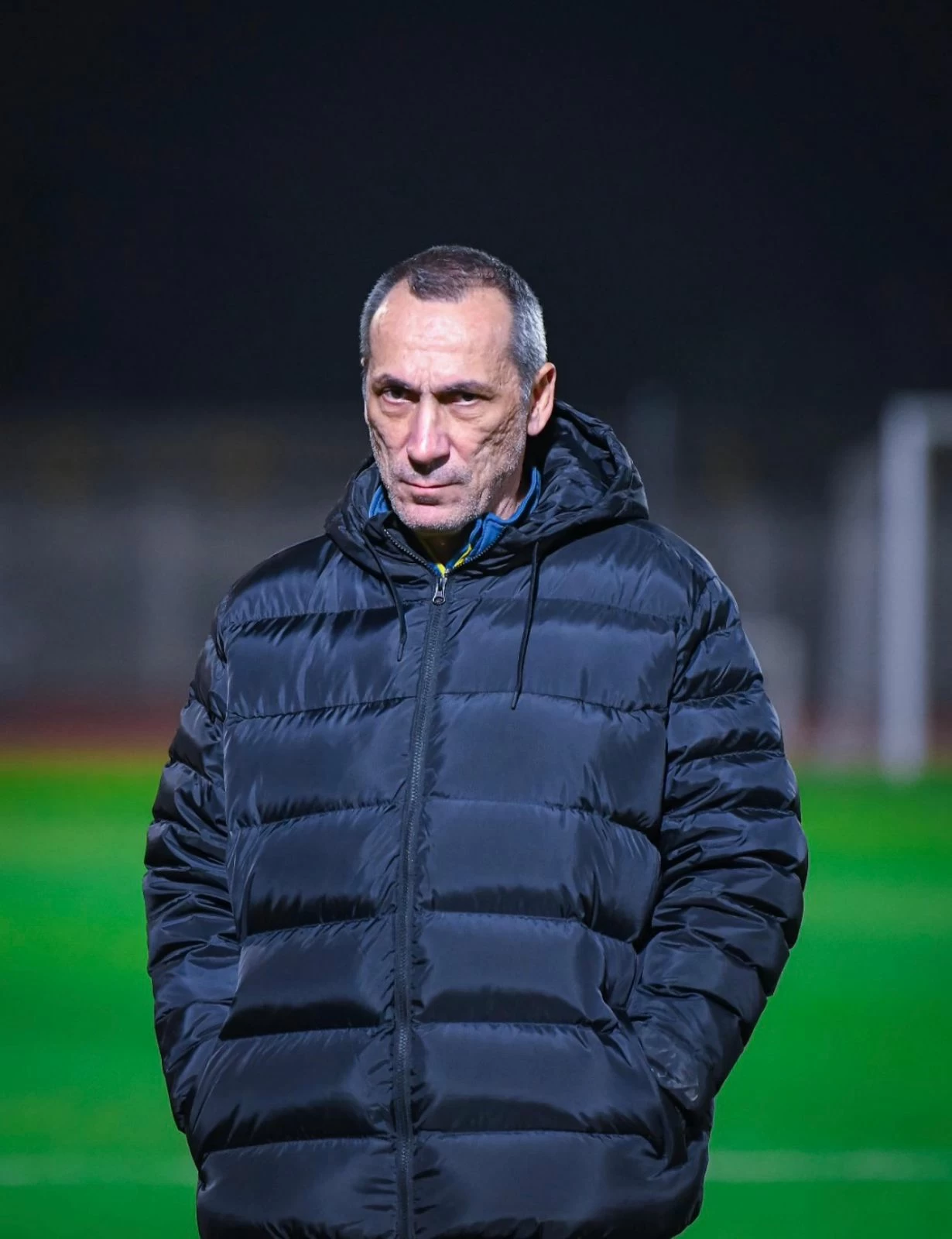
The coaching staff of the Saudi national team, led by Greek coach Georgios Donis, has commenced its practical tasks by observing the players of the Green in the Roshan Saudi Professional League. This is part of the preparations for selecting the final squad for the national team's training camp in the United States, which will take place from May 25 to June 11.
During this camp, the Saudi national team will participate in two friendly matches. The first match will be against the national team of Ecuador at the Sports Illustrated stadium in Harrison, New Jersey on May 30, while the second match will be against the national team of Senegal on June 9 in San Antonio, Texas.
Details of the Friendly Matches
These friendly matches are part of the fourth and final phase of the Saudi national team's preparation program for the 2026 World Cup. The Saudi team will compete in Group H alongside teams from Spain, Uruguay, and Cape Verde. The tournament is scheduled to take place from June 11 to July 19 in the United States, Canada, and Mexico.
The management of the Saudi national team aims to prepare the squad in the best possible way, as the top two teams from the group will qualify for the Round of 32. Meanwhile, the team finishing in third place will compete for one of the spots available for the best eight teams out of twelve.
Background & Context
Historically, the Saudi national team has seen significant development in recent years, having qualified for the World Cup multiple times, reflecting ongoing efforts to enhance football in the Kingdom. Coach Donis, who recently took charge of the team, carries great hopes of achieving positive results in the upcoming tournament.
The Roshan Saudi Professional League serves as an important platform for discovering talent, featuring numerous local and foreign players who contribute to raising the level of competition. The coach's monitoring of players in the league underscores the importance of selecting the right elements for the national team.
Impact & Consequences
Friendly matches are a crucial part of preparation for major tournaments, as they help teams assess performance and identify strengths and weaknesses. Through matches against Ecuador and Senegal, the coach will be able to finalize the optimal lineup.
Additionally, these matches will enhance team spirit and increase harmony among players, which will positively impact performance in the World Cup. Good preparations may contribute to achieving remarkable results, thereby enhancing the status of Saudi football on the international stage.
Regional Significance
The Saudi national team's participation in the World Cup is a significant event not only for the Kingdom but for the entire Arab region. Success in the tournament can enhance the image of Arab football and encourage the development of sports in neighboring countries.
Moreover, having a Greek coach like Donis leading the team reflects the diversity in coaching experiences, which may lead to the exchange of cultures and playing styles between Arab countries and others.
In conclusion, this training camp represents a golden opportunity for the Saudi national team to prepare itself ideally before the World Cup, reflecting the Kingdom's commitment to developing football and achieving international accomplishments.