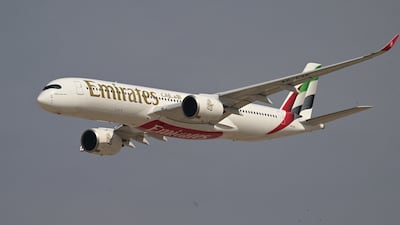
Gulf airlines continue to operate at half their capacity, recording a gradual return in travel activity. This is part of the recovery efforts from the significant impacts of the COVID-19 pandemic on the aviation sector. With increasing travel demand, these airlines are striving to enhance their services and expand their networks to meet passenger needs.
Reports indicate that Gulf airlines, such as Emirates, Etihad Airways, and Qatar Airways, have begun to restore some flights that were suspended during the pandemic. However, these airlines still face numerous challenges, including ongoing travel restrictions in some countries and rising operational costs.
Current Operational Status
Data shows that Gulf airlines are currently operating at approximately 50% of their operational capacity compared to pre-pandemic levels. Nevertheless, there are positive forecasts regarding increased travel demand in the coming months, especially with the summer holiday season approaching.
Airlines are preparing to expand their destinations and increase the number of flights, focusing on key markets such as Europe and Asia. These companies are also working to improve the traveler experience by offering new services and additional amenities.
Background & Context
The global aviation sector experienced a sharp decline due to the COVID-19 pandemic, with borders closing and strict travel restrictions imposed. However, many countries have started to ease these restrictions, contributing to a gradual return of travel activity. The Gulf region is considered one of the most affected areas, as its economies heavily rely on the aviation and tourism sectors.
Historically, Gulf airlines have been among the most successful in the world, achieving significant growth in previous years. However, the pandemic has severely impacted this growth, prompting these companies to reassess their strategies and adapt their operations to the new circumstances.
Impact & Consequences
The return of Gulf airlines to operating at half their capacity is a positive indicator of sector recovery. However, challenges remain, as these companies must navigate market fluctuations and rising fuel costs. Additionally, competition with other airlines will remain strong, requiring them to innovate and adapt to traveler needs.
These developments are expected to impact the local economies of Gulf countries, as many sectors depend on travel and tourism activity. Moreover, the increase in flights will contribute to enhancing trade and tourism exchanges between countries.
Regional Significance
Gulf airlines play a pivotal role in connecting Arab countries to the world, contributing to the enhancement of tourism and trade. With the return of travel activity, the Arab region is expected to witness a revival in the tourism sector, which will help support local economies.
In conclusion, the recovery of Gulf airlines represents an important step towards restoring economic activity in the region and reflects these companies' ability to adapt to new challenges. As recovery efforts continue, there remains hope for achieving higher levels of growth in the future.