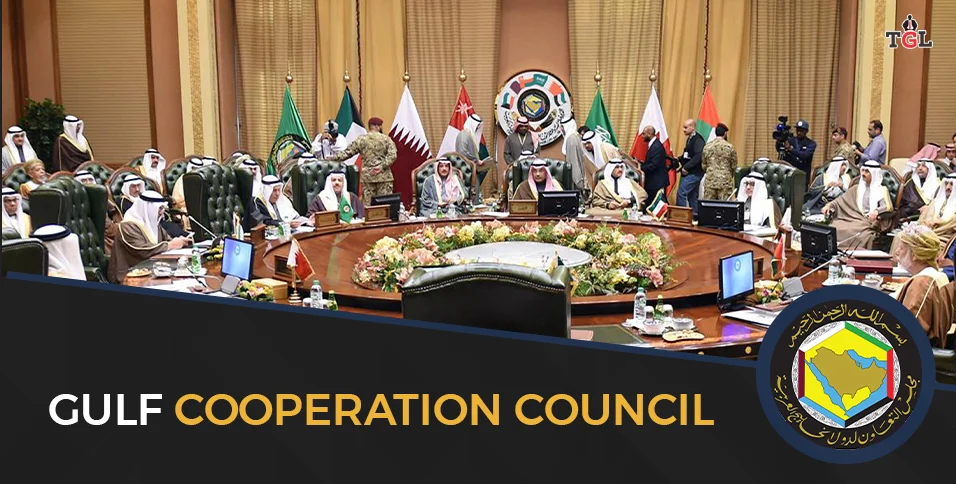
The Secretary-General of the Gulf Cooperation Council, Jassim Al-Budaiwi, affirmed the commitment of member states to achieve sustainable development and enhance international security. This statement was made during a press conference held in the capital, Riyadh, where he highlighted the importance of cooperation among member countries in addressing global challenges.
Al-Budaiwi explained that the member states are working on developing effective strategies to ensure sustainable development, noting that these strategies include enhancing innovation and technology across various economic and social sectors.
Event Details
During the conference, Al-Budaiwi discussed a range of initiatives that have recently been launched as part of the council's efforts to achieve sustainable development goals. He confirmed that these initiatives include projects in the fields of renewable energy, education, and health, which aim to improve the quality of life for citizens and residents in the member states.
He also emphasized the importance of enhancing security and stability in the region, explaining that the member states continuously work to strengthen security and military cooperation to address the challenges facing the region, including terrorism and extremism.
Background & Context
The Gulf Cooperation Council was established in 1981 and includes six countries: Saudi Arabia, United Arab Emirates, Kuwait, Bahrain, Oman, and Qatar. Since its inception, the council has worked to enhance cooperation among member states in various fields, including economics, security, and culture.
Over the years, the council has faced numerous challenges, including political and security crises in the region. Nevertheless, it has managed to maintain its stability and strengthen its role as an effective regional organization.
Impact & Consequences
Al-Budaiwi's statements come at a critical time, as the region faces significant challenges related to security and stability. The commitment of the member states to sustainable development reflects a long-term vision aimed at achieving economic and social development, which could contribute to enhancing stability in the region.
Moreover, strengthening cooperation among member states may help improve relations between the Gulf Cooperation Council countries and other nations in the region, potentially leading to greater stability and security.
Regional Significance
The commitment of the member states to sustainable development and international security has positive implications for the Arab region as a whole. With increasing economic and social challenges, these initiatives can serve as a model for other Arab countries.
Additionally, enhancing cooperation among the member states could contribute to improving relations among Arab nations, which may lead to further stability and development in the region.
In conclusion, the commitment of the member states to sustainable development and international security represents an important step towards achieving stability and development in the region, reflecting a strategic vision aimed at addressing global challenges.