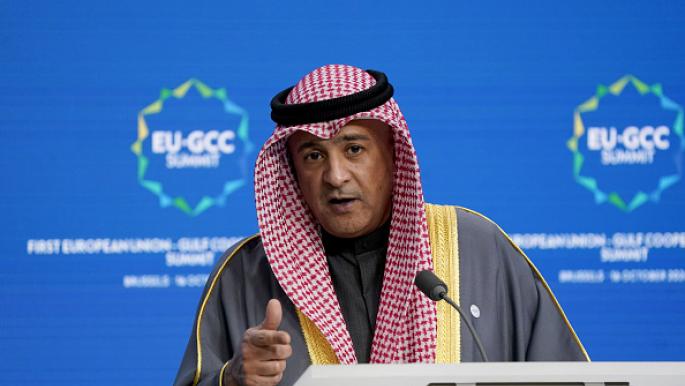
The Gulf Cooperation Council (GCC) reaffirmed today the importance of including Gulf states in any future discussions between Iran and the United States aimed at stopping the war in the Middle East. This assertion comes at a time when the region is witnessing an escalation in military and political tensions, which threatens regional security and stability.
In an official statement, the council stressed that Gulf states play a pivotal role in any diplomatic efforts aimed at ending ongoing conflicts, indicating that the region's stability heavily relies on cooperation and coordination among the concerned countries. The council also called for a clear mechanism for communication among all parties involved to ensure positive outcomes.
Event Details
These remarks come at a sensitive time, as fears grow over the escalation of conflict between Iran and the United States, especially following a series of events that have unfolded in the region in recent months. Gulf states have expressed concern over military escalation, which could lead to serious repercussions for regional security.
Moreover, there are increasing calls from some Arab countries for active participation in any talks aimed at achieving peace, as these nations believe they have a direct interest in regional stability. Some officials have pointed out that dialogue is the only way to resolve disputes, and that any efforts must include all relevant parties.
Context and Background
Historically, relations between Iran and Gulf states have been marked by multiple tensions, especially amid regional conflicts such as the Syrian and Yemeni crises. Gulf states, particularly Saudi Arabia and the United Arab Emirates, have been at the forefront of criticizing Iranian policies, viewing them as threats to regional stability.
In recent years, the United States has sought to bolster its military presence in the region as part of its strategy to counter Iranian influence. However, these policies have not yielded tangible results and have instead heightened tensions. Therefore, involving Gulf states in any talks could be a positive step towards achieving stability.
Consequences and Impact
If Gulf states are included in the talks, it could lead to improved relations between Iran and Arab countries, contributing to a reduction in tensions. Additionally, this could open the door to diplomatic solutions that help end ongoing conflicts.
On the other hand, excluding Gulf states could exacerbate the situation, as these countries may feel their interests are being overlooked, potentially leading to negative reactions at the regional level. Hence, comprehensive dialogue is essential for achieving peace and stability.
Impact on the Arab Region
The Arabian Gulf region is considered one of the most sensitive areas in the world, where political and economic interests intertwine. Any escalation in conflicts could directly affect neighboring Arab countries, threatening security and stability across the entire region.
Therefore, involving Gulf states in the talks could have a positive impact on regional security, as it may help build trust among the various parties. Furthermore, it could enhance opportunities for economic and political cooperation between Arab countries and Iran, benefiting all parties involved.
In conclusion, there remains hope that these calls will lead to tangible progress towards peace, enabling all parties to overcome differences for a more stable and secure future for the region.