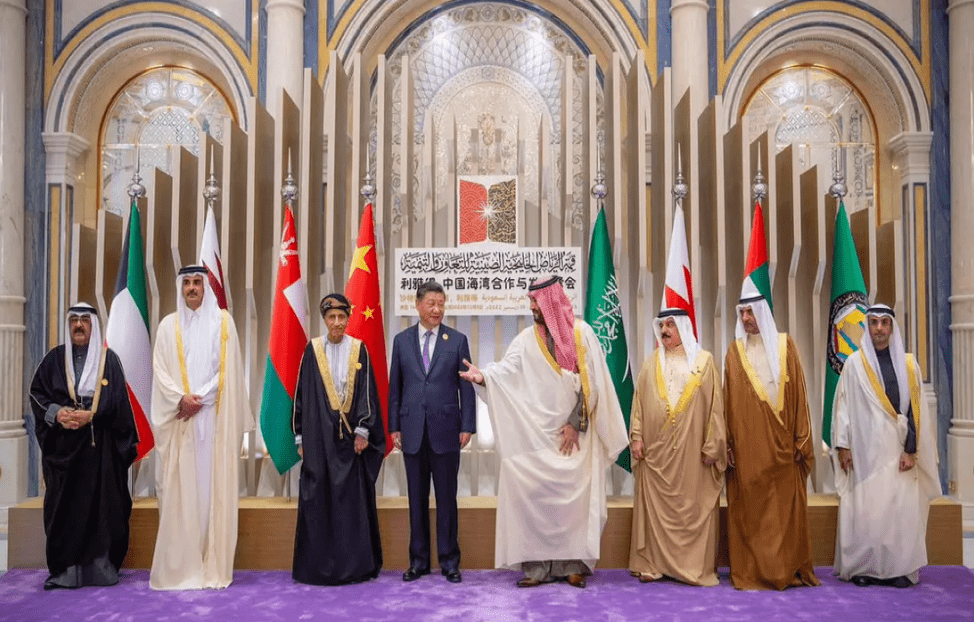
Today, the Arabian Gulf serves as a vital center testing the balance of global power. Its significance is growing in light of the political and economic changes occurring on the international stage.
The Gulf is viewed as a strategic area where the economic and political interests of major powers intersect. This weight demonstrates a significant influence on international decisions, making the Gulf a launchpad for many global events.
Event Details
Tensions in the Gulf are escalating due to regional conflicts and competition among great powers. The region is witnessing active diplomatic movements as countries strive to enhance their influence in this vital area. Additionally, recurring crises, such as the conflicts in Yemen and Syria, cast shadows over the region's stability.
Recent events also include discussions about maritime security, as navigation in the Gulf is crucial for the global economy. Reports indicate that there are increasing efforts to protect maritime corridors, reflecting the Gulf's importance as a major trade route.
Background & Context
Historically, the Arabian Gulf has been a hub for trade and culture, undergoing significant transformations over the ages. In recent decades, it has become a focal point for oil and energy, enhancing its strategic importance. Major powers are competing to strengthen their relationships with Gulf states due to the natural resources these countries possess.
The Gulf states are among the largest oil producers in the world, granting them substantial economic leverage. This influence extends beyond regional borders, impacting global oil prices and the economic stability of consuming nations.
Impact & Consequences
Developments in the Gulf have a direct impact on international politics. Tensions between the United States and Iran, for example, affect the region's stability and exacerbate conflicts. Furthermore, new alliances between Gulf countries and certain global powers are reshaping the balance of power in the area.
The importance of regional and international cooperation is increasing to address shared challenges. Dialogue among Gulf states is deemed essential to enhance security and stability, especially in light of rising threats from extremist groups.
Regional Significance
The situation in the Gulf directly affects other Arab countries. Conflicts and tensions in the Gulf may lead to economic and political repercussions in neighboring states. Moreover, stability in the Gulf is considered a fundamental factor for achieving stability across the entire Arab region.
Arab nations are striving to enhance cooperation among themselves to tackle common challenges. The Gulf serves as a model for regional collaboration, with countries aiming to achieve sustainable development and bolster regional security.
In conclusion, the Arabian Gulf today demonstrates that it is not merely a geographical area but a global power center where the balance of power is tested. The significance of this region is increasing in light of global changes, warranting greater attention from the international community.