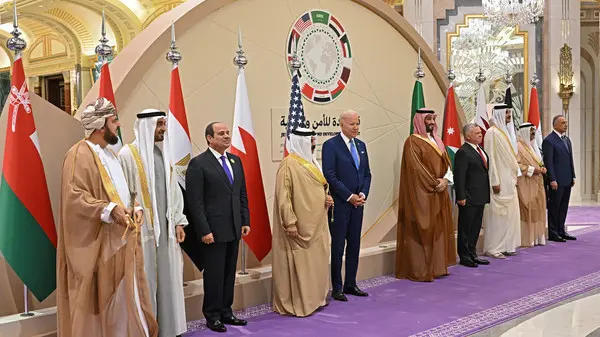
Gulf Cooperation Council leaders condemned Iranian aggressions described as 'brazen' during the summit held in Jeddah. These statements come at a sensitive time marked by increasing tensions in the region, where leaders emphasized the need to enhance security cooperation to face common challenges.
During the summit, several key issues related to regional security were discussed, with leaders indicating that Iranian aggressions pose a threat to security and stability in the region. The Secretary-General of the Gulf Cooperation Council affirmed that these aggressions require a collective response from member states.
Details of the Event
The Gulf summit took place in Jeddah with the attendance of leaders from the six member states of the council, addressing many important issues. The importance of Gulf unity in facing security challenges was underscored, especially in light of the ongoing Iranian escalation in the region.
Additionally, discussions focused on ways to enhance military and security cooperation among member states, where leaders pointed out the necessity of developing joint strategies to confront threats. An agreement was reached to form a joint committee to monitor security developments in the region.
Background & Context
This summit occurs amid escalating tensions between Iran and Gulf states, following several attacks on commercial vessels in regional waters in recent months. These aggressions have heightened fears of escalating conflict in the area, prompting leaders to take a firm stance against such actions.
Historically, relations between Iran and Gulf states have been strained, particularly following the Iranian revolution in 1979. The region has witnessed several crises due to Iranian interventions in the internal affairs of Gulf countries, exacerbating tensions.
Impact & Consequences
The statements issued by Gulf leaders may increase pressure on Iran and prompt the international community to adopt firmer stances regarding Iranian activities in the region. Furthermore, this summit could enhance security cooperation among Gulf states, contributing to regional security.
These developments are expected to affect relations between Iran and Western countries, as Western nations may seek to reassess their policies towards Iran in light of these statements. Additionally, the escalation in rhetoric could worsen the situation in the region.
Regional Significance
This summit represents an important step in enhancing cooperation among Gulf states and may contribute to improving security conditions in the region. The stance of Gulf leaders could also motivate other Arab countries to adopt similar positions regarding Iranian threats.
Under these circumstances, there is hope that these efforts will contribute to achieving stability in the region and avoiding any escalation that could lead to new conflicts.