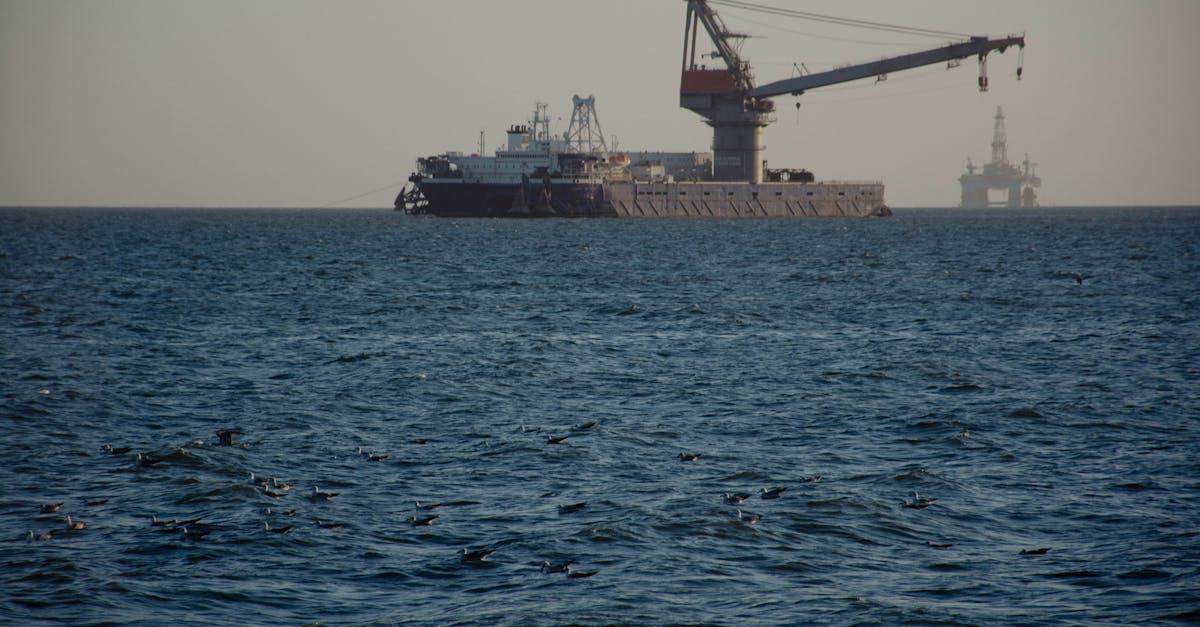
The ongoing conflict in Iran has caused Gulf countries to suffer severe losses exceeding $15 billion, due to the disruption of shipping in the Strait of Hormuz, one of the world's most critical maritime routes for oil transport. These conditions are placing additional pressure on the economies of oil-producing nations in the region, necessitating urgent measures to mitigate the effects of this crisis.
Saudi Arabia, the largest oil producer in the region, is seeking alternative ways to export its oil, focusing on developing new renewable energy projects and expanding its pipeline network. In contrast, Iraq is the most affected by these conditions, heavily relying on oil revenues to meet its financial needs.
Details of the Event
Reports indicate that the impact of the Iranian war on shipping in the Strait of Hormuz has led to increased insurance costs for ships, further burdening companies operating in this field. The ongoing threats from Iran regarding the closure of the strait have also decreased confidence in the stability of oil supplies, negatively affecting global markets.
Attention is also directed towards Kuwait and Qatar, as both countries depend on their sovereign funds to alleviate the impacts of these losses. Kuwait is seeking to enhance its investments in new projects, while Qatar continues to strengthen its position as one of the largest natural gas producers in the world.
Background & Context
Historically, the Strait of Hormuz is a vital strategic point, through which approximately 20% of the world's total oil passes. In recent years, the strait has witnessed increasing tensions due to regional conflicts, making oil-producing countries in the Gulf more susceptible to risks. Under these circumstances, these nations must seek sustainable solutions to ensure the stability of their oil supplies.
The geopolitical dimensions intertwine with economic aspects, as tensions in the region directly affect global oil prices. With the ongoing conflict, experts expect prices to remain volatile, increasing pressure on the economies of Gulf countries.
Impact & Consequences
Forecasts suggest that these losses could lead to a slowdown in economic growth in Gulf countries, which heavily depend on oil revenues. Social and economic development programs may be affected due to budget cuts, negatively impacting living standards.
Moreover, these conditions may exacerbate social and political crises in some countries, as public protests could increase due to deteriorating economic conditions. Therefore, governments must take swift action to address these challenges.
Regional Significance
The effects of these losses extend beyond the Gulf states, impacting regional stability as a whole. Other Arab countries may face economic pressures due to rising oil prices, affecting their ability to import essential goods.
Ultimately, the current situation requires greater coordination among regional countries to confront shared challenges. There must be clear strategies to address crises and enhance economic cooperation among Arab nations.