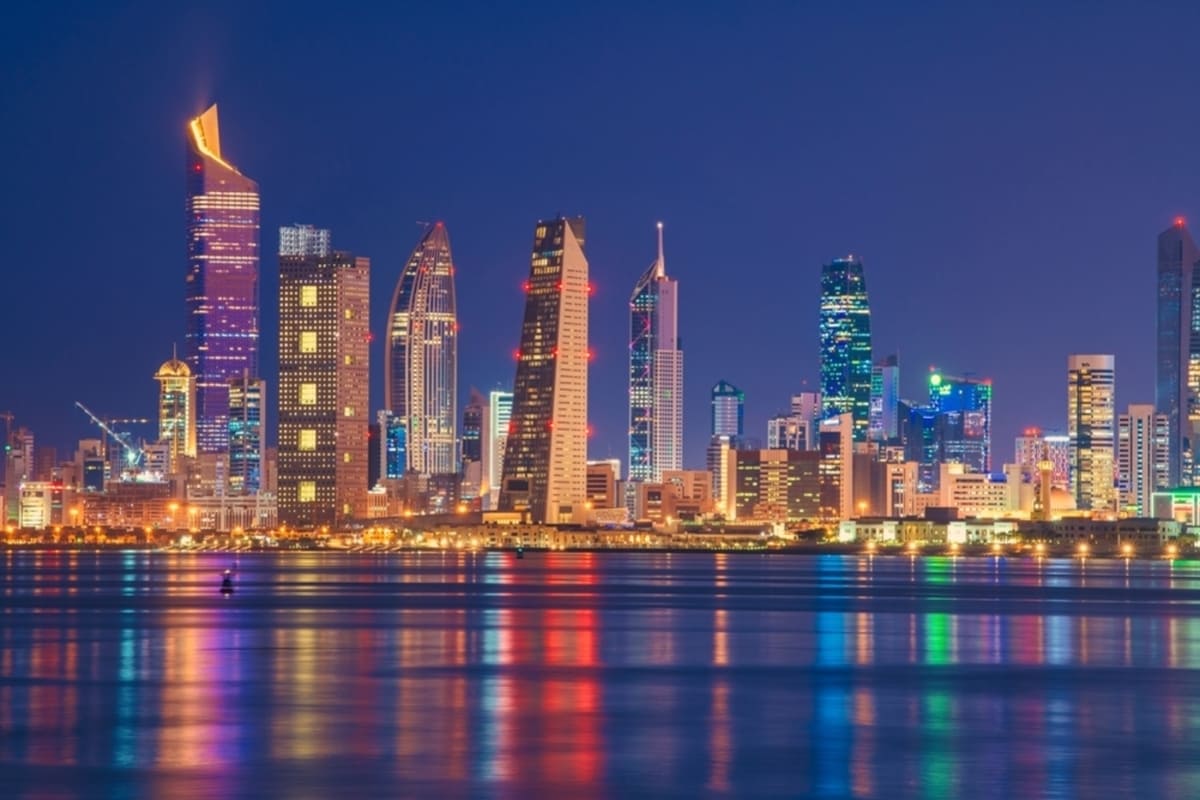
The Gulf Arab real estate market has undergone a notable transformation in recent months, with prices rising significantly in many major cities. This increase is attributed to a combination of economic and social factors affecting the market, raising questions about the future of real estate in the region.
Reports indicate that prices in cities such as Dubai, Doha, and Riyadh have seen an increase ranging from 10% to 20% compared to last year. This surge reflects the growing demand for properties, especially from foreign investors looking to capitalize on available opportunities in the market.
Details of the Event
According to recent studies, the demand for residential and commercial properties in the Gulf states has risen significantly due to several factors, including ongoing economic growth, an increasing population, and government initiatives aimed at developing infrastructure. Additionally, foreign investments play a crucial role in bolstering the market, as many global companies seek to enter the Gulf market.
Despite this price increase, there are challenges facing the market, such as rising construction costs, inflationary pressures, and restrictions on real estate financing. These factors may affect the ability of potential buyers to enter the market, raising concerns that this price increase may not be sustainable in the long term.
Background & Context
Historically, the Gulf real estate market has experienced significant fluctuations, directly influenced by oil prices and the global economy. After a period of market stagnation due to falling oil prices, prices began to recover in 2021, indicating a potential economic rebound. However, current challenges could return the market to a state of instability if not addressed effectively.
Social transformations, such as the increase in expatriates and foreign labor, also play a role in shaping the real estate market. These dynamics affect supply and demand, making it essential for investors and developers to understand current and future trends in the market.
Impact & Consequences
The rise in property prices could have multiple implications for the Gulf economy. On one hand, this increase could enhance government revenues through taxes and fees, but on the other hand, it may lead to a decline in the purchasing power of citizens and residents, potentially limiting future demand for properties.
Moreover, rising prices could exacerbate housing issues, making it difficult for low-income families to buy or rent homes. This situation may require governments to take urgent action to ensure adequate housing for all, including the development of affordable housing projects.
Regional Significance
The Gulf real estate market is an important indicator of economic trends in the Arab region as a whole. The increase in prices may affect investments in neighboring countries, as investors seek more stable and less costly opportunities. Additionally, the challenges facing the market could serve as a lesson for other countries in the region on how to manage real estate market fluctuations.
In conclusion, the rise in real estate prices in the Gulf presents both a challenge and an opportunity. It is crucial for governments and investors to adopt effective strategies to ensure market sustainability and achieve a balance between supply and demand, thereby ensuring the stability of the Gulf economy in the future.