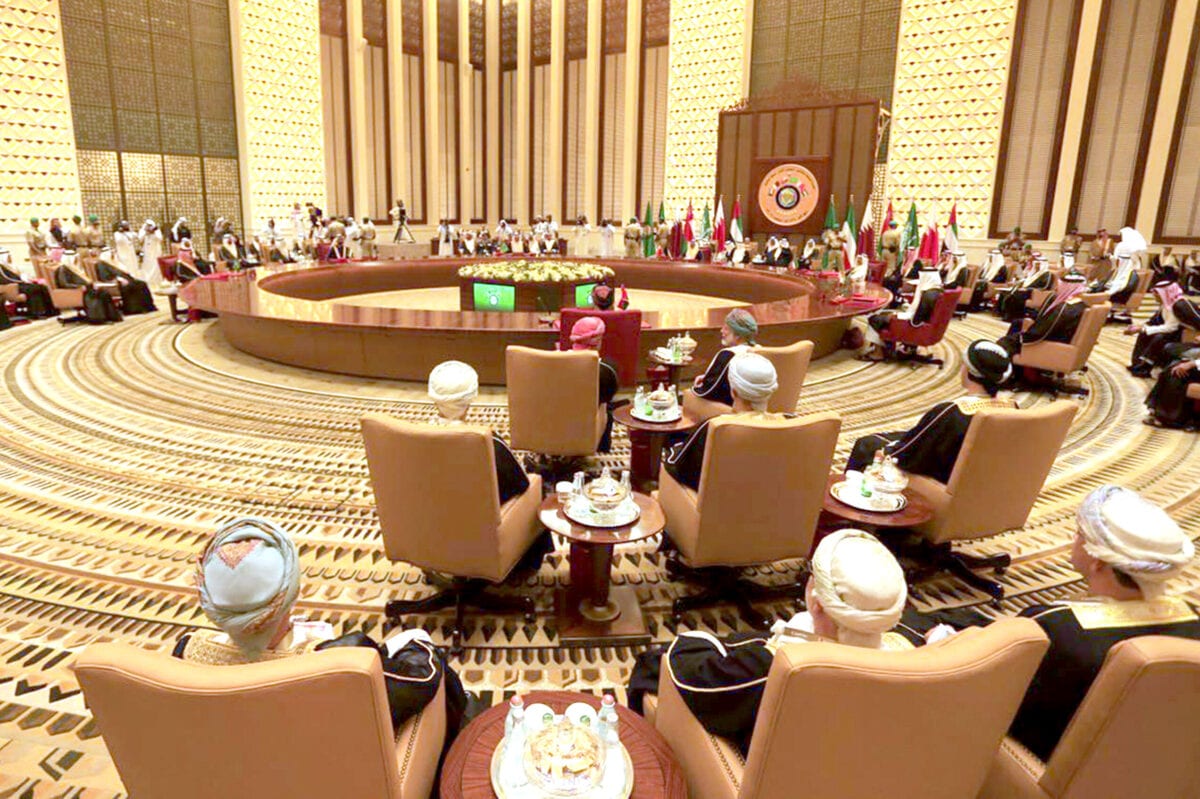
A Gulf-Russian ministerial meeting was held in the Russian capital, Moscow, where Jordan participated in discussions regarding the implications of Iranian aggressions on regional security. The meeting comes at a sensitive time marked by rising tensions in the region, particularly with the increasing Iranian military activities that have raised concerns among Arab nations.
The meeting, which brought together foreign ministers from the Gulf Cooperation Council (GCC) and their Russian counterparts, addressed ways to enhance security and political cooperation to face common challenges. Jordan's Foreign Minister, Ayman Safadi, emphasized the importance of coordination among nations to confront the threats posed by Iranian aggressions.
Details of the Event
During the meeting, several recent Iranian aggressions were reviewed, including attacks on commercial vessels in the Arabian Gulf and Tehran's support for armed groups in Iraq and Syria. The discussions also touched on the impact of these aggressions on regional security and stability.
Russian Foreign Minister Sergey Lavrov stressed the need to enhance dialogue among the concerned countries, indicating that Russia is ready to support efforts to achieve security and stability in the region. He also called for the necessity of finding political solutions to ongoing crises, including the Syrian and Yemeni crises.
Background & Context
These developments come at a time when relations between Iran and Arab countries are increasingly strained, with Arab nations accusing Tehran of interfering in their internal affairs and supporting armed groups that threaten their security. In recent years, there has been a rise in Iranian aggressions, prompting Arab countries to strengthen their security cooperation.
Jordan, considered one of the key countries in the region, seeks to enhance its role in addressing security challenges. Safadi highlighted the importance of Arab-Russian cooperation in this context, noting that regional security requires joint efforts to confront threats.
Impact & Consequences
The potential implications of this meeting are numerous, as it may contribute to strengthening cooperation between Arab countries and Russia in confronting Iranian threats. It could also lead to increased pressure on Tehran to curb its military activities in the region.
On the other hand, this meeting may help improve relations between Arab countries and Russia, potentially opening the door for further cooperation in other areas such as economics and energy. Should tangible agreements be reached, it could positively reflect on regional stability.
Regional Significance
The Gulf-Russian ministerial meeting comes at a critical time for the Arab region, where tensions are escalating in several countries. Iranian aggressions directly affect the national security of Arab states, necessitating intensified joint efforts to confront them.
In this context, Jordan's participation in the meeting is a significant step towards enhancing Arab cooperation to tackle security challenges. Furthermore, this meeting could strengthen the position of Arab countries in international forums, potentially leading to greater support from the international community in addressing Iranian threats.