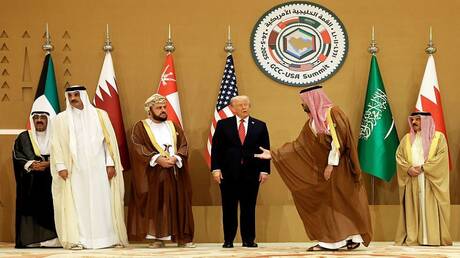
The Gulf Arab states are looking towards Iran's future after the war, needing to engage the current U.S. administration to redefine their role in the region. Amid increasing tensions, these countries are striving to reaffirm their strategic value once again.
The Gulf-U.S. relations are a central pillar in shaping regional policies, especially given the security and economic challenges facing the area. Gulf states are expected to play a pivotal role in reshaping the Iranian landscape after the conflict ends.
Details of the Situation
The Gulf states are working to strengthen their ties with the United States, as the current situation demands new strategies to deal with Iran. Analysts have pointed out that the U.S. administration under President Trump could be key in determining Iran's future, necessitating Gulf states to provide their support and assistance in this context.
Potential steps that Gulf states might take include enhancing security and economic cooperation with Washington, as well as working to improve the region's image on the international stage. There is also an urgent need for coordination among Gulf countries to tackle common challenges.
Background & Context
Historically, relations between Gulf states and Iran have been tense, especially following the Islamic Revolution in 1979. The region has witnessed numerous conflicts and disputes that have affected regional stability. In recent years, tensions have escalated due to Iranian nuclear activities and its interventions in the internal affairs of neighboring countries.
The Gulf states aim to achieve a balance in their relations with major powers, considering the United States as a key strategic partner. However, new challenges require a reassessment of these relations in line with regional and international changes.
Impact & Consequences
If the Gulf states succeed in engaging the U.S. administration, it could lead to radical changes in Iranian policies. Such changes are likely to impact regional security, potentially contributing to a reduction in tensions among states. Furthermore, strengthening cooperation between the Gulf states and the United States could lead to greater stability in the region.
However, Gulf states must be cautious in their dealings with Iran, as any uncalculated moves could escalate the conflict. Therefore, well-thought-out strategies will be essential to ensure the achievement of desired objectives.
Regional Significance
Developments in Iran directly affect neighboring Arab states, as any changes in Iranian policy could have repercussions on security and stability in the region. Thus, Gulf states are called upon to enhance coordination among themselves to address common challenges.
In conclusion, the current situation requires Gulf states to reassess their strategies towards Iran, with an emphasis on engaging the U.S. administration to ensure the achievement of strategic objectives. The success of these states in this endeavor could positively reshape the regional landscape.