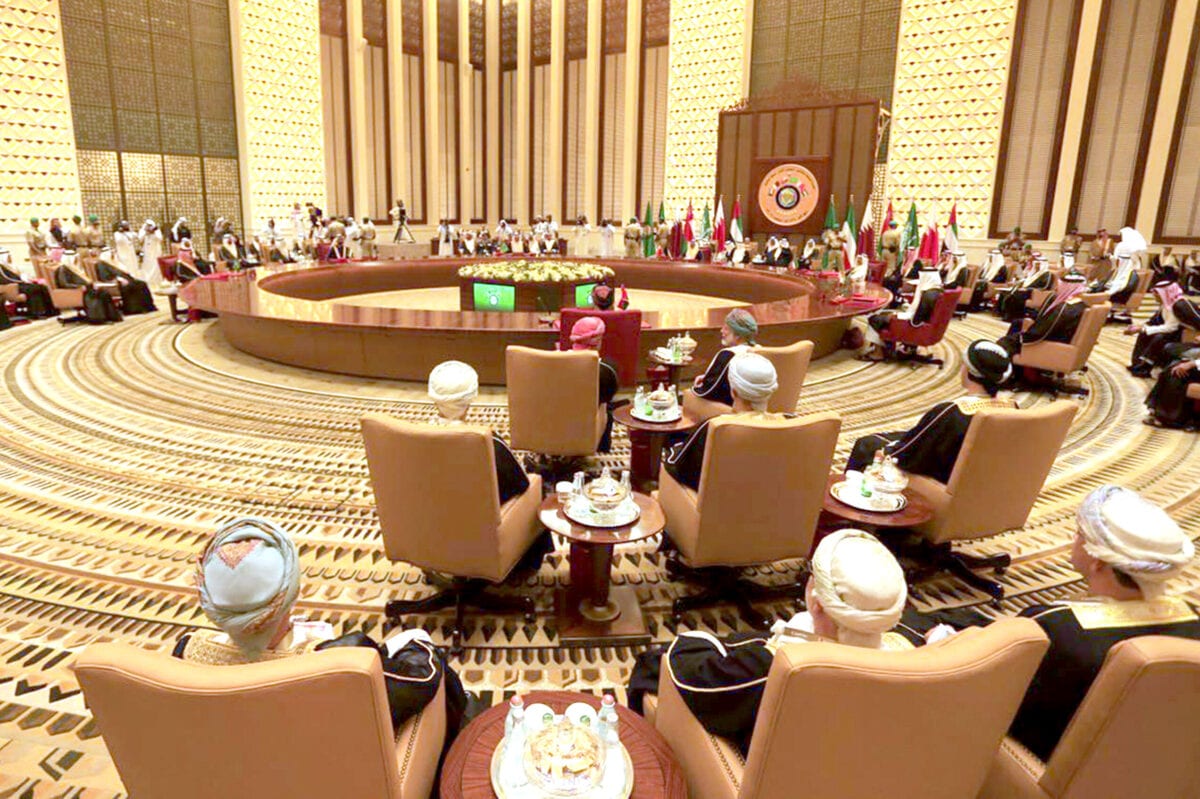
The Gulf Cooperation Council (GCC) countries have issued a strong condemnation of any aggression against their territories, stating that they are not a party to the regional escalation. The Gulf states have adopted a clear policy aimed at reducing regional tensions and promoting diplomatic pathways.
These statements come at a time when the region is experiencing heightened tensions, as the Gulf countries seek to enhance security and stability in their surroundings. The member states of the council have emphasized the importance of dialogue and understanding as a means to resolve disputes, rather than resorting to military escalation or mutual threats.
Details of the Event
In an official statement, the GCC countries affirmed that any aggression against their territories or sovereignty is completely unacceptable. They pointed out that such aggressions do not serve regional security but rather exacerbate tensions and negatively impact stability in the area. The Gulf states confirmed their commitment to protecting their interests and security, stating they would not hesitate to take necessary measures to defend themselves.
The Gulf countries also added that they are always striving to enhance cooperation with the international community to address security challenges. They indicated that dialogue is the optimal way to resolve outstanding issues and expressed hope that other parties would adopt the same approach.
Background & Context
Historically, the Gulf region has witnessed numerous crises and conflicts, prompting the council countries to adopt policies aimed at enhancing security and stability. There have been previous attempts to escalate tensions; however, the Gulf states have consistently sought to avoid armed conflicts.
The GCC was established in 1981 in response to the security challenges faced by its member states. Since then, the council has worked to enhance cooperation among member countries in various fields, including security, defense, and economics.
Impact & Consequences
The statements from the Gulf states serve as a clear message to concerned parties that any aggression against their territories will not go unanswered. These declarations could lead to increased tensions in the region, especially if not handled wisely.
Moreover, these positions may affect the relationships between the Gulf states and other countries in the region, necessitating dialogue and understanding to avoid any further escalation. Such events could have implications for financial markets and investments in the area, as political stability is a crucial factor in attracting investments.
Regional Significance
The Gulf region is pivotal for regional stability, and any escalation there could impact other Arab countries. Therefore, the commitment of the Gulf states to reducing tensions reflects their desire to maintain security and stability in the region as a whole.
In conclusion, the Gulf Cooperation Council remains committed to the principles of dialogue and diplomacy, striving to enhance security and stability in its vicinity, thereby reflecting its leadership role in the region.