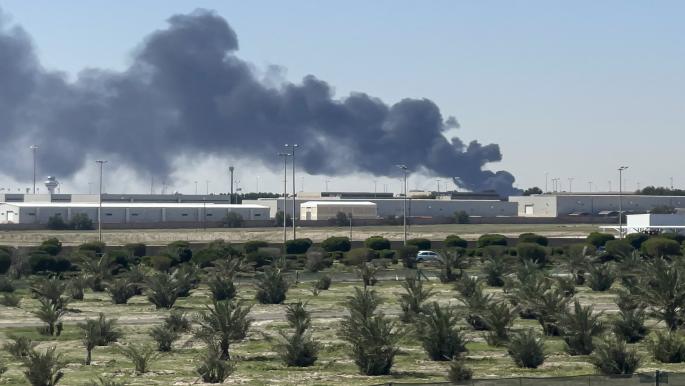
The Gulf states are demanding compensation for Iranian attacks, relying on the legal foundations of international responsibility laws. This article addresses the challenges associated with proving these assaults and executing compensation.
This demand comes at a time of increasing tensions in the region, as Gulf countries seek to strengthen their legal position in the face of repeated assaults. This step is part of a broader strategy aimed at protecting regional security and enhancing cooperation among Gulf states.
Details of the Demand
The Gulf states, through this demand, aim to use international laws as a means of pressure on Iran, which they accuse of carrying out attacks on their territories. These attacks include targeting vital facilities, resulting in significant damage to infrastructure.
The claims are based on international responsibility rules that state that countries are accountable for actions they undertake, whether direct or indirect. However, the challenges facing the Gulf states relate to proving these assaults and accurately determining the damages.
Background & Context
Historically, relations between the Gulf states and Iran have witnessed increasing tensions, especially after the Iranian Revolution in 1979. These tensions stem from several factors, including regional conflicts and Iranian interventions in the internal affairs of Gulf countries.
In recent years, Iranian attacks have notably escalated, prompting Gulf states to take legal action. These demands come as part of their efforts to enhance regional security and provide protection for their citizens.
Impact & Consequences
If the Gulf states succeed in obtaining compensation, it could lead to a shift in regional dynamics. This could encourage other countries to take similar steps against Iran, increasing pressure on the country.
On the other hand, this escalation may exacerbate tensions between Iran and the Gulf states, threatening stability in the region. The international community must play a role in mediating between the parties to avoid escalating the conflict.
Regional Significance
These demands are part of broader efforts to enhance security and stability in the Arab region. If the Gulf states succeed in achieving their goals, this step could strengthen cooperation among Arab countries in facing common challenges.
At the same time, there must be diplomatic efforts to ease tensions, as escalation could lead to negative repercussions on regional security.
The demand for compensation for Iranian assaults reflects the challenges facing the Gulf states in their quest to protect their security and stability. The current situation requires a delicate balance between legal demands and diplomatic efforts to avoid escalating the conflict.