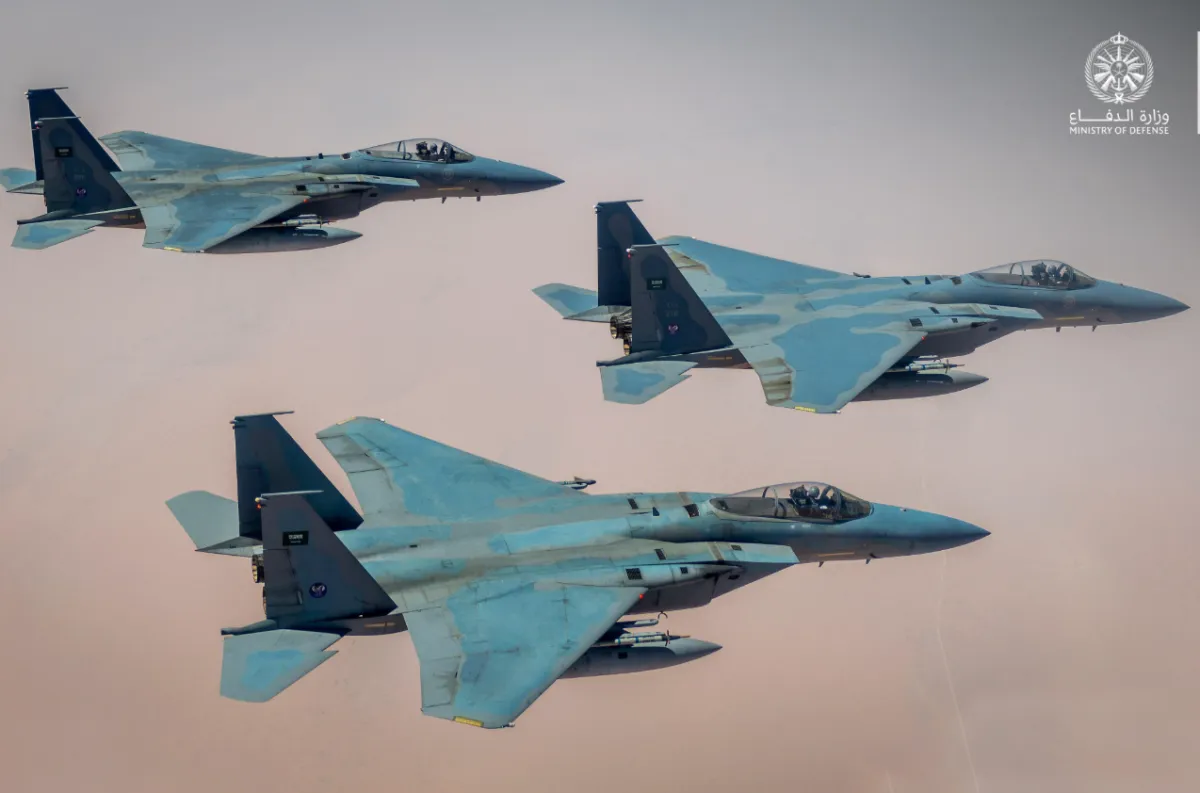
Gulf countries are moving towards enhancing their defense readiness and ensuring the continuity of supply chains amid escalating Iranian threats. Air defenses in Saudi Arabia, Kuwait, Bahrain, and the UAE have successfully intercepted dozens of missiles and drones launched from Iran, reflecting the high preparedness of these nations to face security challenges.
In Kuwait, the government has taken economic measures to ensure the continued flow of essential goods. The Kuwaiti Minister of Commerce and Industry, Osama Boudi, issued a decision to support the additional costs incurred by importing companies. This decision aims to stabilize the prices of essential goods in the local market, especially given the difficulties facing supply chains due to regional tensions.
Details of Recent Events
In recent hours, Saudi air defenses intercepted five drones and a ballistic missile launched towards the Eastern Province. Major General Turki Al-Maliki, the official spokesman for the Saudi Ministry of Defense, confirmed the success of the operations without any recorded damages.
Additionally, Brigadier General Jadaan Fadhil, the official spokesman for the Kuwaiti National Guard, announced the downing of four drones over the past twenty-four hours. These actions are part of efforts to enhance national security and ensure the safety of Kuwaiti airspace.
In the UAE, air defenses dealt with 19 ballistic missiles and 26 drones, reflecting the scale of threats facing the region. Reports indicate that UAE defenses have intercepted 457 ballistic missiles and 2038 drones since the onset of Iranian aggressions.
Background & Context
The Gulf countries aim to bolster their security amid rising tensions with Iran, which has utilized missiles and drones as tools to exert pressure on regional nations. These aggressions have resulted in the martyrdom of several military personnel and civilians, heightening security concerns.
Historically, the region has witnessed similar tensions, with Gulf countries facing threats from Iran since the Islamic Revolution in 1979. Iran has pursued a policy of exporting its revolution, leading to the emergence of sleeper cells that threaten the stability of Gulf nations.
Impact & Consequences
Concerns are growing about the impact of these threats on regional security, with Qatari Prime Minister Sheikh Mohammed bin Abdulrahman warning against the irresponsible targeting of vital infrastructure. He emphasized the importance of political solutions to avoid further escalation.
The Gulf countries are seeking to enhance security and economic cooperation among themselves to confront these challenges. Reports indicate that security agencies in Gulf nations have managed to apprehend several cells affiliated with Iran, reflecting a high level of security vigilance.
Regional Significance
These developments significantly affect security and stability in the Arab region, as fears of escalating conflicts increase. Strengthening cooperation among Gulf states could contribute to achieving greater stability, especially under the current circumstances.
In conclusion, regional security remains under challenge, requiring concerted efforts among Gulf countries to address shared threats and ensure the continuity of essential supplies.