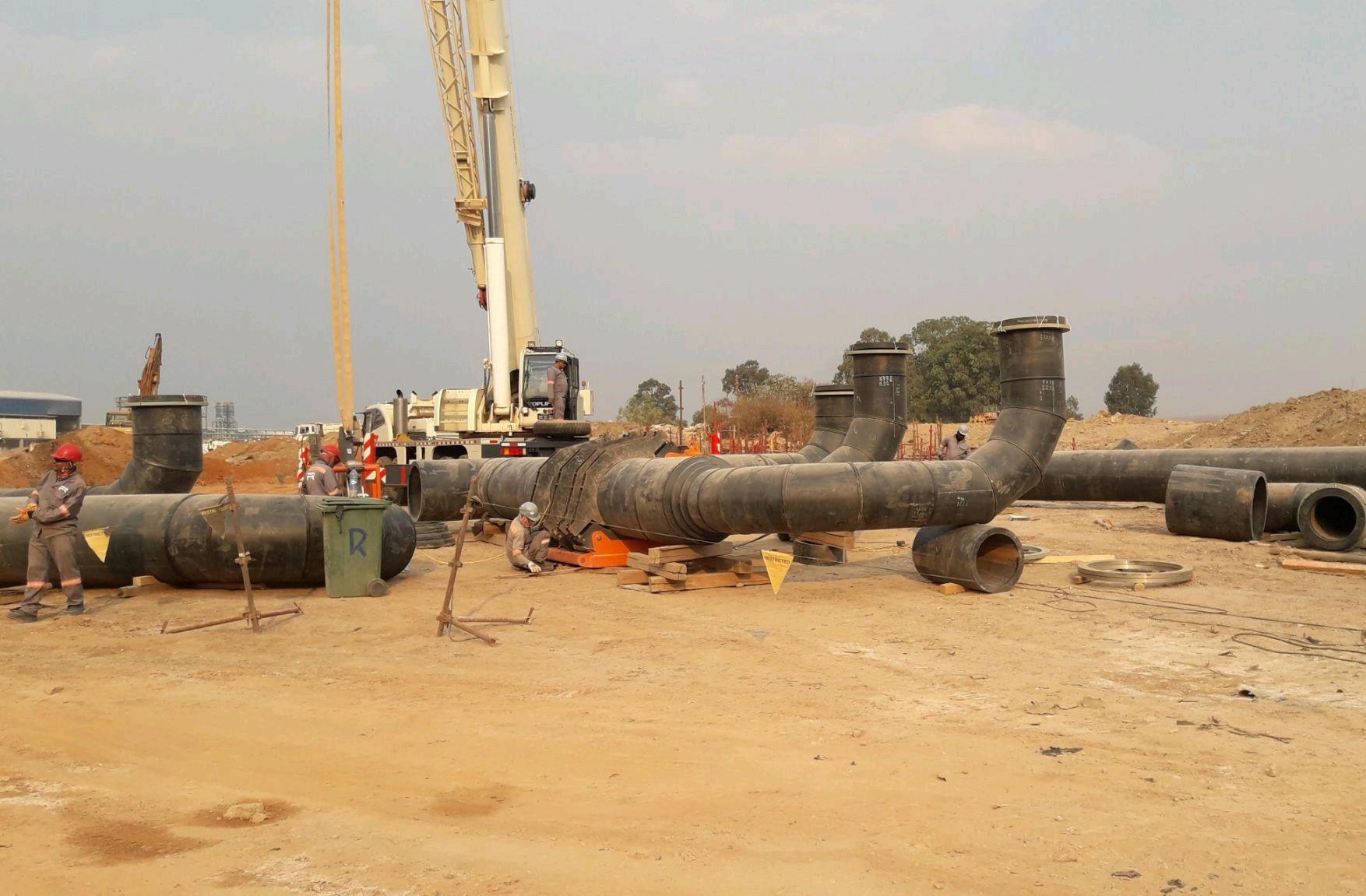
The Arab Gulf states are pursuing the creation of new pipelines to bypass the Strait of Hormuz, which is one of the most critical maritime passages in the world for transporting oil and gas. This move comes amid rising geopolitical tensions in the region that threaten the safety of global energy supplies.
This initiative is part of a broader strategy aimed at enhancing energy security in the Gulf states, where concerns are growing over potential threats that could impact navigation in the strait. Approximately 20% of the world's total oil supplies pass through the Strait of Hormuz, making it a vital point for the global economy.
Details of the Initiative
The proposed plans involve the construction of pipelines that would connect Gulf countries directly to global energy markets, thereby reducing reliance on maritime transport through the Strait of Hormuz. Countries such as Saudi Arabia and the United Arab Emirates have shown significant interest in this project, as they seek to better secure their oil and gas supplies.
Reports indicate that these pipelines may include new routes to the Red Sea or through the territories of neighboring countries, contributing to a reduction in risks associated with navigation in the strait. Additionally, this step could open new avenues for cooperation among Gulf states in the energy sector.
Background & Context
Historically, the Strait of Hormuz has witnessed numerous military and political tensions, especially in recent years. These tensions have heightened awareness of the importance of securing energy supplies, prompting Gulf states to consider strategic alternatives.
In 2019, oil tankers were attacked in the region, raising significant concerns about navigation safety. Since then, the involved countries have begun reassessing their strategies to ensure the continuity of energy supplies.
Impact & Consequences
If these plans are successfully implemented, they will significantly affect the dynamics of the global energy market. Gulf states will be able to reduce their dependence on maritime routes, potentially leading to greater stability in oil prices.
Moreover, this move may contribute to strengthening regional cooperation among Gulf states, enhancing their ability to face common challenges. Reducing reliance on the Strait of Hormuz could also alleviate political and military pressures in the region.
Regional Significance
This initiative is significant not only for Gulf countries but for the entire Arab region. Enhancing energy security in the Gulf means greater stability for Arab economies, which heavily depend on oil exports.
Furthermore, these initiatives may encourage other countries in the region to consider similar strategies, contributing to greater stability in Arab energy markets.
In conclusion, these ambitious plans reflect the Gulf states' desire to enhance their energy security and reduce the risks associated with navigation in the Strait of Hormuz. While challenges remain, these initiatives represent a positive step toward achieving stability in the region.