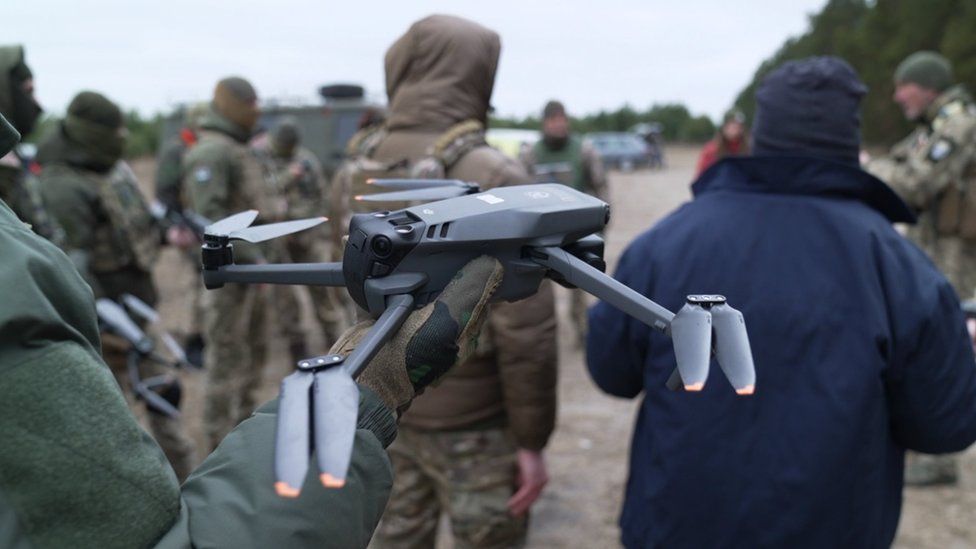
Gulf countries, including Saudi Arabia and the UAE, are moving towards adopting Ukrainian-designed interceptor drones, with each unit costing no more than $2500. This initiative is seen as a cost-effective option to address the escalating Iranian threats that are straining U.S. missile inventories.
This information comes from a Japanese company marketing this technology in foreign markets, reflecting the Gulf states' interest in enhancing their defensive capabilities through innovative and cost-effective methods.
Details of the Development
Reports indicate that these interceptor drones are designed to effectively counter Iranian drones, which Tehran has launched in significant numbers since the onset of the U.S.-Israeli conflict against it. These inexpensive drones could bolster the air defenses of Gulf nations, which are facing ongoing threats from unmanned aerial vehicles.
The appeal of these drones lies in their low cost compared to traditional defense systems, allowing Gulf countries to enhance their military capabilities without the need for massive investments.
Background & Context
Since the outbreak of conflict in the region, drones have become a crucial element of military strategies, with Iran utilizing them to carry out attacks on targets within Gulf nations. This escalation has prompted Gulf states to seek effective solutions to counter these threats.
Historically, Gulf countries have relied heavily on U.S. defense systems, but the rising threats have led them to explore both local and international alternatives to bolster their security. This step is part of their efforts to reduce dependence on American weaponry.
Impact & Consequences
This initiative could alter the balance of power in the region, enabling Gulf states to strengthen their air defenses more quickly and at a lower cost. Additionally, the use of Ukrainian technology may open new avenues for military cooperation between Gulf nations and Ukraine.
Moreover, these developments could impact the relationships between Gulf states and Iran, as they will enhance these countries' ability to respond to any future threats, potentially escalating tensions in the region.
Regional Significance
This move serves as a clear message to Iran that Gulf countries are prepared to confront threats using innovative means. It also reflects a shift in defense strategies within the region, as Arab nations seek to independently enhance their military capabilities.
In conclusion, these developments underscore the importance of innovation in defense, as Gulf states aim to achieve a balance in military power through the use of modern and effective technologies.