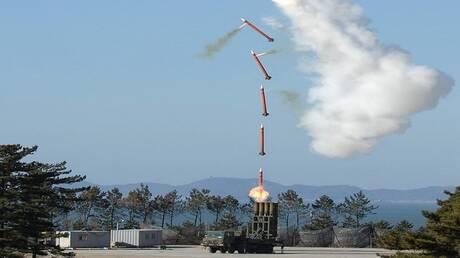
Gulf Arab states are enhancing their defense capabilities amid rising tensions between the United States, Israel, and Iran by purchasing the Chungung-2 air defense systems manufactured in South Korea. This move comes as military operations in the region escalate, increasing the need for advanced defensive systems to protect national airspace.
The Chungung-2 system is considered one of the latest air defense systems, known for its ability to counter various aerial threats, including drones and ballistic missiles. This system has proven effective in several previous tests, making it a preferred choice for many countries seeking to bolster their national security.
Details of the Acquisition
Recently, Gulf Arab countries, such as Saudi Arabia and the UAE, have begun negotiations with South Korea to acquire this defense system. These negotiations are part of national defense strategies aimed at enhancing military capabilities in response to potential threats from Iran, which continues to develop its military program.
Reports indicate that Gulf states hope to secure these systems as soon as possible, as they seek to safeguard their airspace from any potential attacks. This step reflects a shift in the region's defense strategies, which have become increasingly reliant on modern technology to address security challenges.
Background & Context
Historically, the Gulf region has witnessed ongoing tensions between regional and international powers. For years, Iran has posed a continuous threat to Gulf states, prompting these nations to enhance their military capabilities. In recent years, these tensions have significantly increased, especially following the United States' withdrawal from the Iranian nuclear deal, leading to heightened military tensions in the region.
In this context, air defense systems have become an urgent necessity for Gulf states, which aim to protect themselves from any potential threats. Technological advancements in air defense have made these systems more effective, increasing their importance.
Impact & Consequences
This move by Gulf states to enhance their defense capabilities represents a strategic shift in the region. With rising tensions, the purchase of air defense systems may lead to a new arms race in the area, as other countries may seek to acquire similar systems. This could escalate tensions among regional states and impact overall stability in the region.
Furthermore, strengthening defense capabilities could alter the balance of power in the region, potentially leading to changes in political and military alliances. This step may also affect relations between Gulf states and Iran, which may perceive it as a threat to its national security.
Regional Significance
Gulf states are striving to enhance their national security under current circumstances, which could affect the stability of the Arab region as a whole. Strengthening military capabilities may increase tensions between Arab states and Iran, potentially negatively impacting regional security.
This move could also affect relations between Arab states and major powers, such as the United States and Russia, which may seek to exploit these tensions for their own interests. Ultimately, the region appears to be heading toward a new phase of military tensions, requiring Arab states to take strategic steps to ensure their security and stability.