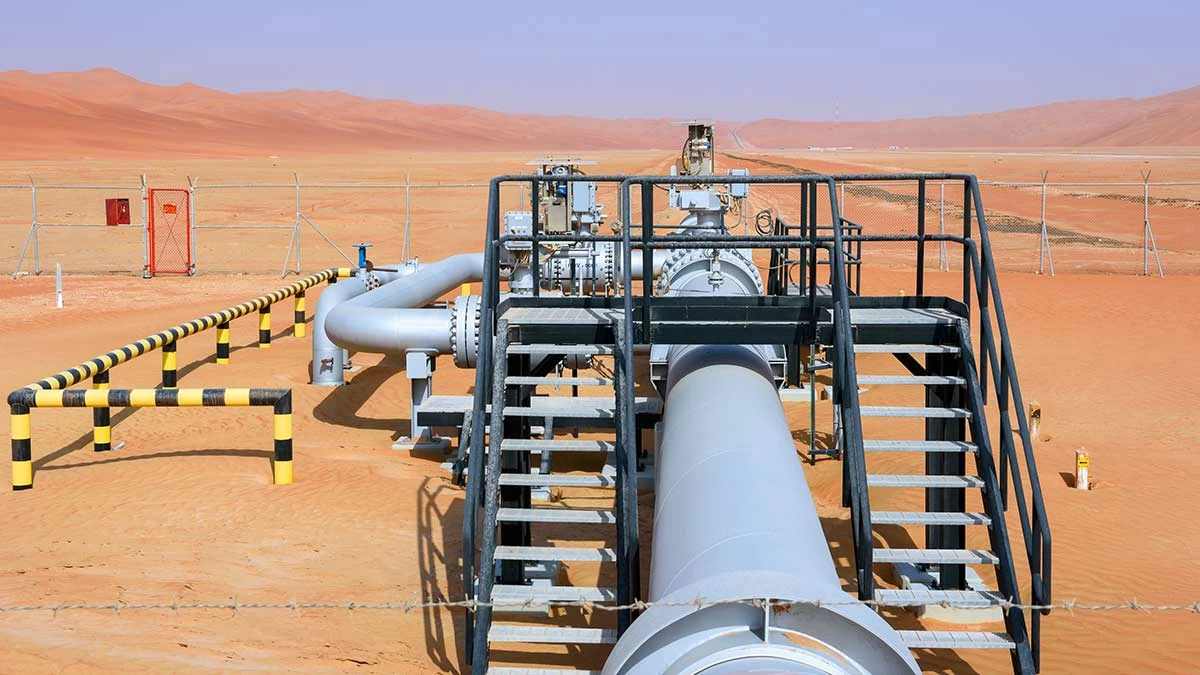
The Gulf Arab states are seeking to reassess their strategies regarding the establishment of new pipelines, aiming to reduce dependence on the Strait of Hormuz, one of the world's most critical maritime passages. This move comes in light of increasing fears of potential security threats that could impact navigation in the region.
Officials and executives in the energy sector have confirmed that building new pipelines may be the only option to lessen reliance on the strait and avoid any disruptions that could affect oil exports. However, these projects face significant challenges related to high costs and political complexities, in addition to the need for many years to complete them.
Details of the Event
A senior executive in the Gulf energy sector pointed out that the East-West pipeline, which extends for 1,200 kilometers, represents a brilliant solution in this context. This pipeline was established in the 1980s following concerns about the closure of the Strait of Hormuz during the tanker war between Iran and Iraq, and it is now considered a vital artery transporting approximately 7 million barrels per day to the port of Yanbu on the Red Sea, completely bypassing the Strait of Hormuz.
In this context, Amin Nasser, CEO of Saudi Aramco, confirmed to analysts last month that the East-West pipeline is currently the main route the company relies on. Although there were previous plans to establish new pipelines in the region, they have stalled due to high costs and associated complexities.
Background & Context
Concerns are growing in the Gulf over geopolitical tensions that could affect energy security, prompting countries to consider strategic alternatives. Maysan Kafafi, a senior fellow for Middle East programs at the Atlantic Council, noted that the general mood in the Gulf has shifted, as everyone is starting to look at maps and reach similar conclusions about the necessity of reducing dependence on the Strait of Hormuz.
Kafafi added that the more flexible option may not be a single pipeline, but rather an integrated network of corridors, although implementing this option would be the most challenging. In the long run, new pipelines are likely to become part of broader trade corridors through which multiple goods, not just oil and gas, will be transported.
Impact & Consequences
If these plans are implemented, they will lead to a radical change in how oil and gas are transported from the Gulf to global markets. This change could enhance energy security for Gulf countries and reduce the impact of any potential disruptions in the Strait of Hormuz. Additionally, the establishment of new pipelines may contribute to strengthening cooperation among Gulf states in the energy sector, potentially leading to new investments in this vital area.
Moreover, these projects could open new horizons for regional trade, as pipelines could become part of an integrated trade network, contributing to the overall enhancement of the Gulf economy.
Regional Significance
This shift in energy strategies in the Gulf holds significant importance for the Arab region as a whole. With rising geopolitical tensions, it becomes essential for Arab countries to seek ways to enhance their energy security and reduce reliance on maritime corridors that may be threatened.
In conclusion, it appears that Gulf states are seriously moving towards reassessing their energy strategies, which could lead to significant changes in how they manage their natural resources. This step may mark the beginning of a new phase of cooperation and integration in the energy sector among countries in the region.