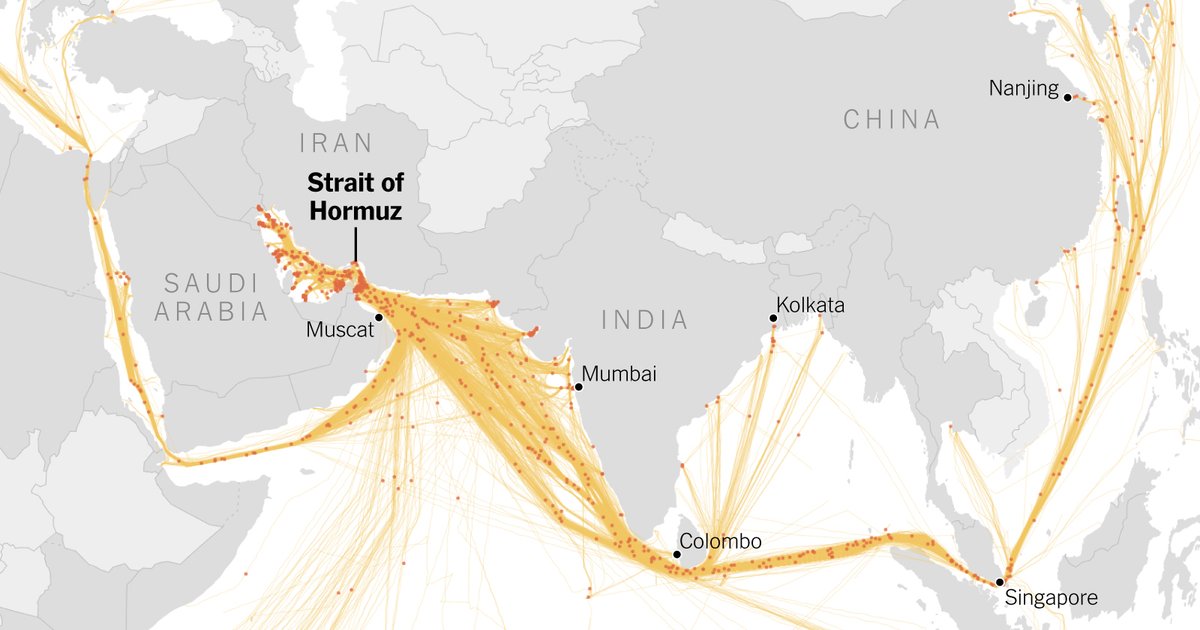
Gulf Arab countries are increasingly looking for alternative routes to secure oil supplies amid escalating tensions in the Strait of Hormuz, a vital artery for oil and natural gas transportation. Reports indicate that these nations are considering building new pipelines to avoid potential restrictions that Iran may impose on shipping in the strait.
According to the Financial Times, diplomats from the region confirmed that these steps are part of a response to the growing tensions, particularly following attacks by the United States and Israel on targets within Iran, which prompted military reactions from Tehran.
Details of Recent Events
On February 28, the United States and Israel launched attacks on Iranian sites, resulting in damage and civilian casualties. Iran retaliated by targeting Israeli and U.S. military sites in the region, further escalating tensions in the Gulf.
These events occur at a sensitive time, as the Strait of Hormuz is a crucial transit point for approximately 20% of global oil supplies. With the increasing threats, Gulf countries are searching for alternative options to avoid any future crises that could impact their oil exports.
Background & Context
Historically, the Strait of Hormuz has witnessed numerous crises and tensions, serving as a stage for military and political conflicts between Iran and Gulf states. Since 2011, tensions have intensified due to regional disputes, raising concerns about the security of navigation in the strait.
In recent years, Iran has sought to enhance its influence in the region by supporting armed groups in Iraq, Syria, and Lebanon, which has heightened the concerns of Gulf nations. In this context, Gulf states are striving to bolster their security by diversifying their oil supply routes.
Impact & Consequences
The escalation of tensions in the Strait of Hormuz could have negative effects on global oil prices, as any restrictions on shipping could significantly increase prices. Markets have already experienced a rise in prices due to these tensions, adversely affecting the global economy.
Moreover, seeking alternatives for oil transportation may require substantial investments in infrastructure, which could impact government budgets in Gulf countries. Any military escalation could also lead to severe consequences for regional stability.
Regional Significance
Arab countries are directly affected by the tensions in the Strait of Hormuz, as many of these nations rely on oil supplies from the Gulf. Any disruption in shipping could impact the economies of these countries, necessitating precautionary measures to ensure market stability.
In conclusion, Gulf states face a significant challenge under these circumstances, as they must consider new strategies to ensure the security of their oil supplies. The search for alternatives in oil transportation may be a necessary step, but it requires a delicate balance between security and economic stability.