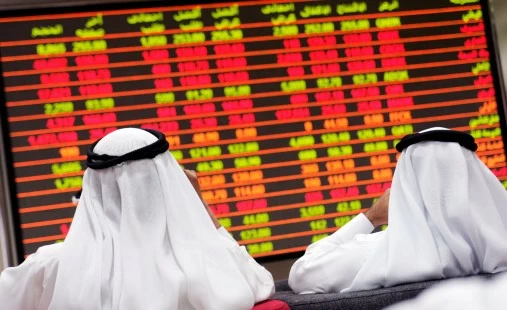
This week, Gulf stock markets enter a phase of cautious anticipation as the deadline set by U.S. President Donald Trump for Iran approaches. This deadline comes at a time when geopolitical tensions are escalating, increasing uncertainty in the markets.
Analysts believe that these conditions could lead to further escalation in the ongoing conflict, prompting investors to make more cautious decisions. A sense of waiting and anticipation prevails among investors as they seek to protect their investments amid rising risks.
Details of the Event
Recent developments, including repeated targeting of energy facilities and water desalination plants, could significantly impact investor behavior. Some may view these events as a source of concern, leading them to make selling decisions out of fear.
Conversely, stock prices have sharply declined, opening the door for selective investment opportunities, especially in core sectors and Gulf banks that still enjoy financial robustness and strong cash support.
Background & Context
Historically, Gulf stock markets have experienced significant volatility due to geopolitical tensions. This time, the importance of the deadline set by Trump emerges as a key factor in determining market direction. Investors are closely monitoring any developments that may affect the region's stability.
The Gulf markets, which heavily rely on oil and gas, face additional challenges due to political tensions. These factors make it difficult for investors to make informed decisions.
Impact & Consequences
The current tensions may lead to changes in investor behavior, with some shifting towards essential consumer sectors or short-term bonds. This shift could affect liquidity in the markets and increase volatility.
Local investors may be particularly affected, as any escalation in the conflict could prompt them to make swift decisions to protect their capital. At the same time, savvy investors may benefit from the available opportunities amid current declines.
Regional Significance
The impact of these tensions is not limited to the Gulf alone but extends to the entire Arab region. Any escalation in the conflict could lead to widespread economic and social repercussions.
Investors in other Arab countries should exercise caution, as any changes in oil prices or investment flows could affect their economies. The current tensions highlight the importance of regional cooperation in facing common challenges.
In conclusion, Gulf stock markets remain under pressure from geopolitical tensions, requiring investors to make informed decisions amid uncertainty. The available opportunities may be tempting, but the risks remain significant.