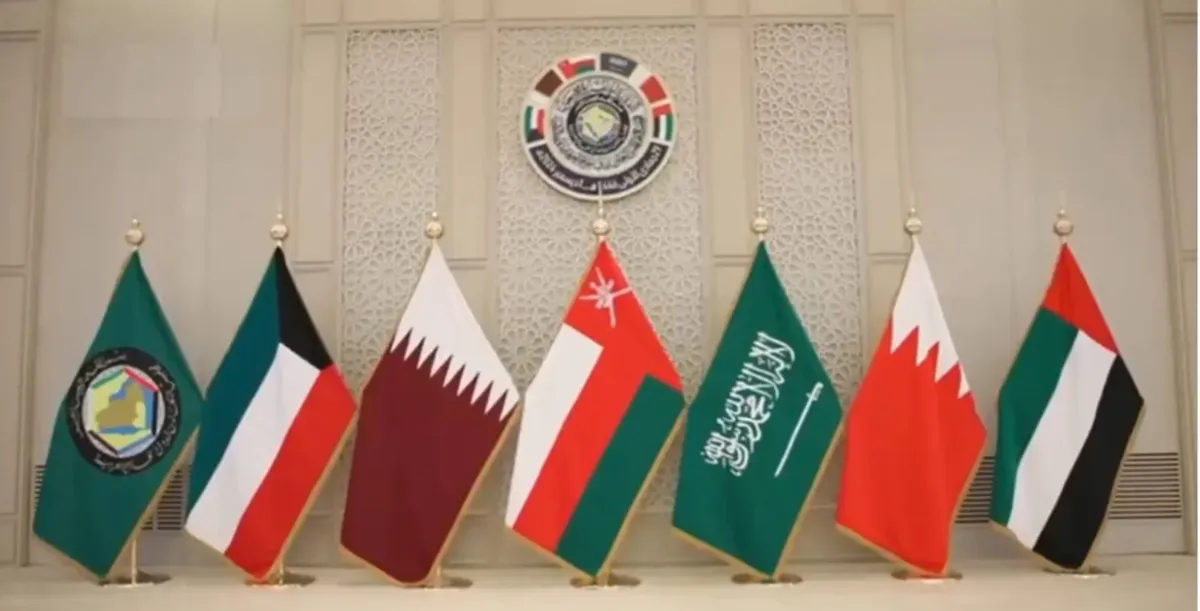
On Tuesday, the city of Jeddah will host an extraordinary consultative Gulf summit, bringing together leaders of the Gulf Cooperation Council (GCC) to discuss the developments in the regional situation amid escalating tensions resulting from Iranian aggressions. This summit comes at a sensitive time, as concerns grow regarding the impact of these aggressions on regional security and international navigation.
The summit aims to explore ways to address the repeated aggressions attributed to Iran and its proxies, which have targeted infrastructure and civilian and oil facilities. Additionally, the summit will discuss the repercussions of closing the Strait of Hormuz, a vital artery for global trade, and the resulting disruptions to navigation and negative impacts on the global economy.
Event Details
The agenda of the summit includes discussions on ongoing diplomatic efforts, including Pakistani mediation between the United States and Iran, in an attempt to contain the crisis and open negotiation pathways that contribute to calming the situation. The summit also emphasizes the importance of unifying the Gulf stance and enhancing coordination among member states, which supports the collective security system and protects economic gains.
In this context, the Crown Prince of Kuwait, Sheikh Sabah Khaled Al-Hamad Al-Sabah, has departed with the official delegation to Jeddah to head the Kuwaiti delegation at the summit. King Hamad bin Isa Al Khalifa of Bahrain has also left for Jeddah to lead the Bahraini delegation at the Gulf summit.
Context and Background
This summit occurs amid rising tensions in the region, where Saudi Arabia has underscored the importance of protecting international waterways, stressing that any threat to freedom of navigation, particularly in the Strait of Hormuz, directly affects the stability of the global economy and energy security. The Kingdom's Permanent Representative to the United Nations, Ambassador Dr. Abdulaziz Al-Wasel, pointed out that the Strait of Hormuz represents a vital artery for international trade, necessitating close monitoring of developments in the Gulf region and enhancing efforts to protect it.
Al-Wasel also called for adherence to Security Council Resolution 2817 of 2026 and for strengthening joint efforts to ensure the safety of maritime corridors, contributing to the stability of global markets. He reaffirmed the Kingdom's support for international and regional efforts aimed at de-escalation and ending the war.
Impact and Consequences
Analyses predict that the outcomes of this summit will enhance Gulf coordination to face security challenges, especially in light of increasing Iranian threats. Furthermore, the summit's success in achieving consensus among member states may contribute to improving security and economic conditions in the region, strengthening the Gulf countries' ability to confront crises.
At the same time, any new escalation could exacerbate the situation, negatively impacting global markets, particularly in the energy and trade sectors. Therefore, the results of this summit will be closely watched by the international community.
Impact on the Arab Region
This summit serves as a real test of the unity of Gulf states in facing regional challenges. The success of the summit in achieving its objectives could enhance regional stability and provide a new impetus for Arab cooperation. Any positive steps may contribute to opening new avenues for collaboration among countries in the region, benefiting their peoples.
In conclusion, all eyes remain on Jeddah, where many hope the summit will yield tangible results that contribute to enhancing security and stability in the region.