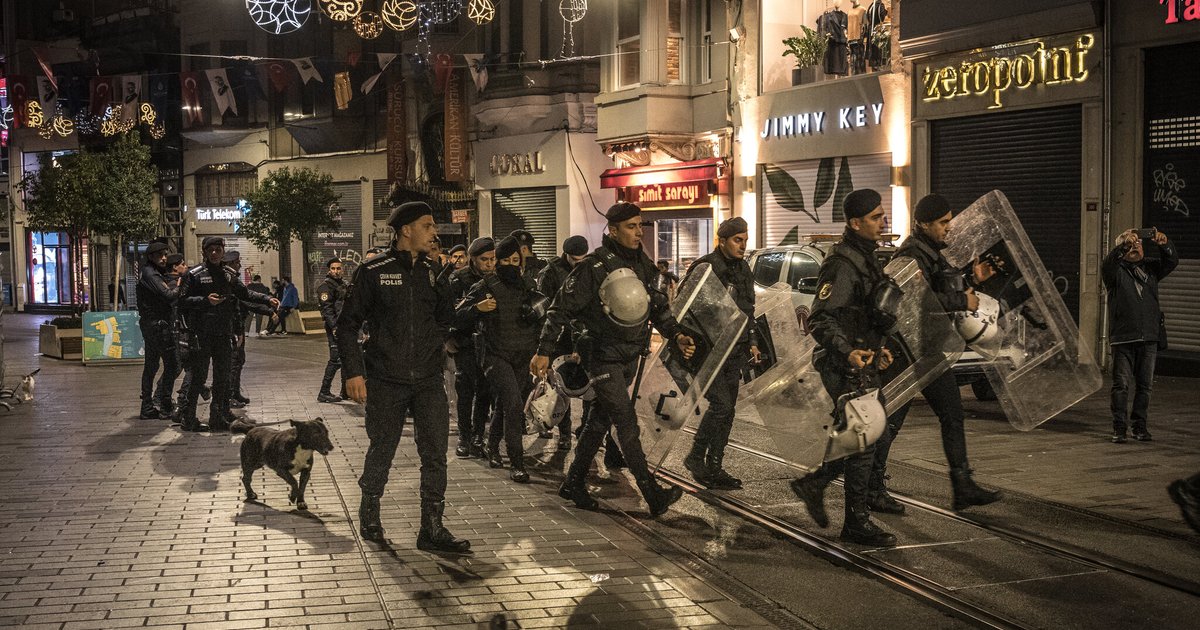
The Israeli consulate building in Istanbul came under armed attack when unknown assailants opened fire on the building late last night. The attack caused panic among consulate staff and nearby citizens, leading to a significant security alert in the area.
According to initial reports, no injuries have been recorded as a result of the attack; however, Turkish authorities have closed the area surrounding the consulate and imposed a security cordon. Police reinforcements were dispatched to the site to investigate the incident and ensure the safety of citizens.
Details of the Incident
The attack took place in the Beyoğlu district, which is considered one of the vital areas in Istanbul, housing many foreign consulates. Local sources reported that the assailants used firearms, resulting in chaos in the street. Turkish authorities have yet to announce the motives behind the attack, but they have begun intensive investigations to identify the attackers.
This attack comes at a sensitive time, as relations between Turkey and Israel are experiencing increasing tensions, especially in light of recent events in the Middle East. The Israeli Foreign Ministry has expressed its concern over the attack, emphasizing the importance of protecting its diplomats abroad.
Background & Context
Historically, Istanbul has witnessed numerous attacks on diplomatic facilities, particularly amid political tensions in the region. Turkish-Israeli relations have seen many fluctuations, with periods of cooperation and others of tension. The attack on the Israeli consulate could be seen as part of these complex dynamics.
In recent years, tensions between Turkey and Israel have intensified, particularly following events related to Palestine. These tensions could impact diplomatic security in Istanbul, as the city is an important diplomatic hub for many countries.
Impact & Consequences
The attack on the Israeli consulate could lead to significant security and political repercussions. From a security standpoint, this incident may result in tightened security measures around diplomatic facilities in Turkey, which could affect tourism and investment flows in the country.
Politically, this attack may strengthen hardline positions in both countries, potentially escalating tensions. Additionally, this incident could be used as a pretext to justify stricter security measures by the Turkish government, which may impact public freedoms.
Regional Significance
This attack is indicative of the increasing tensions in the region, as any escalation between Turkey and Israel could affect neighboring Arab countries. The relationships between these nations heavily rely on regional stability, and events like this could lead to unforeseen repercussions.
This incident also highlights the importance of security cooperation among nations in facing common threats. Arab countries may need to reassess their security strategies in light of these escalating events.