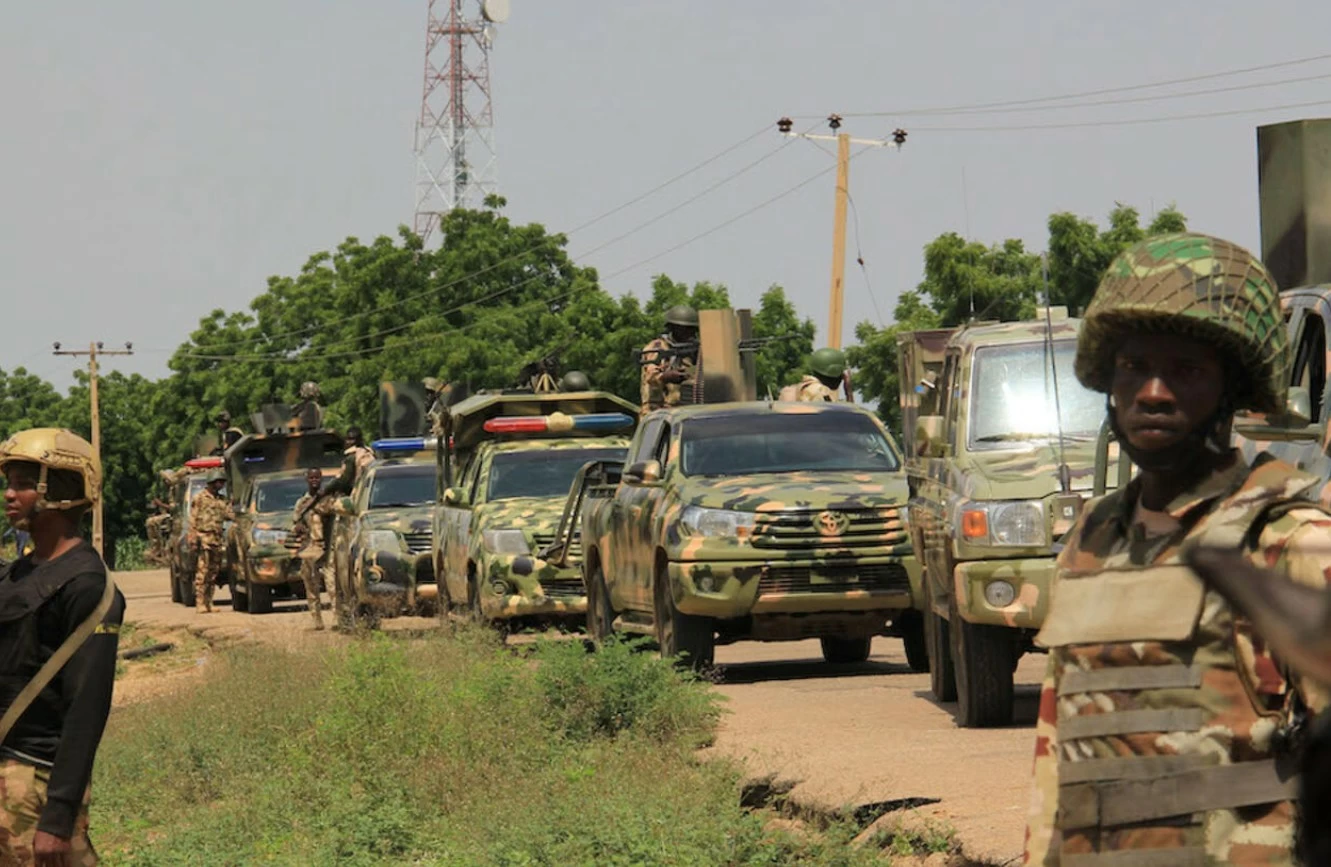
Seventeen people were killed in an armed attack that occurred in the village of Mbalaum, located in the Gwer East area of Benue State, central Nigeria. The attack, which took place late last night, also resulted in several injuries, highlighting the deteriorating security situation in the region.
Local authorities confirmed that the attack resulted in casualties and injuries, with the wounded being transported to hospitals for treatment. Benue State Governor, Hyacinth Alia, expressed his deep sorrow over this tragedy, noting that the attack bears the hallmarks of suspected armed herders, who have become an increasing threat to civilians in the area.
Details of the Incident
The central-western states of Nigeria are witnessing a rise in violence, suffering from a multifaceted security crisis. The recent attack in Mbalaum is part of a series of assaults targeting villages, where armed gangs attack residents, engaging in looting and kidnapping. The security situation in the country is rapidly deteriorating, raising concerns among local populations.
Benue State is considered one of the most affected by these criminal acts, with reports of recurrent attacks by armed herders and criminal gangs. Investigations have shown that these armed groups exploit chaos and security weaknesses in the region to expand their influence.
Background & Context
The roots of the security crisis in Nigeria stem from several factors, including ethnic and religious conflicts, as well as poverty and unemployment. In recent years, the country has seen an increase in the activity of armed groups, exacerbating humanitarian conditions. The Nigerian government faces significant challenges in controlling these groups, further increasing civilian suffering.
Nigeria is one of the largest countries in Africa by population; however, it suffers from insecurity in many of its regions. Reports indicate that these armed groups increasingly target remote villages, threatening the lives of residents and leading to their displacement.
Impact & Consequences
The recent attack in Benue State could have serious repercussions for security and stability in the region. With the rise in attacks, residents are concerned about their inability to return to normal life. These conditions may also exacerbate humanitarian crises, as many residents suffer from food and healthcare shortages.
These circumstances require an urgent response from the Nigerian government and the international community. It is crucial to enhance security efforts and provide humanitarian assistance to those affected by these crises. Long-term strategies must also be developed to address the root causes of these crises.
Regional Significance
The security situation in Nigeria is a matter of concern for the Arab region, as stability in Africa impacts regional security. The increase in violence in Nigeria may lead to a flow of refugees into neighboring countries, increasing pressure on resources in those nations.
Moreover, the security challenges in Nigeria could serve as a model for similar issues in other parts of the Arab world, where some countries are suffering from internal conflicts and humanitarian crises. It is important for Arab nations to collaborate with Nigeria to address these challenges.
In conclusion, the armed attack in Benue State reflects a worsening security crisis that requires an urgent response from all concerned parties. Coordinated efforts must be made to enhance security and provide support to those affected by these crises.