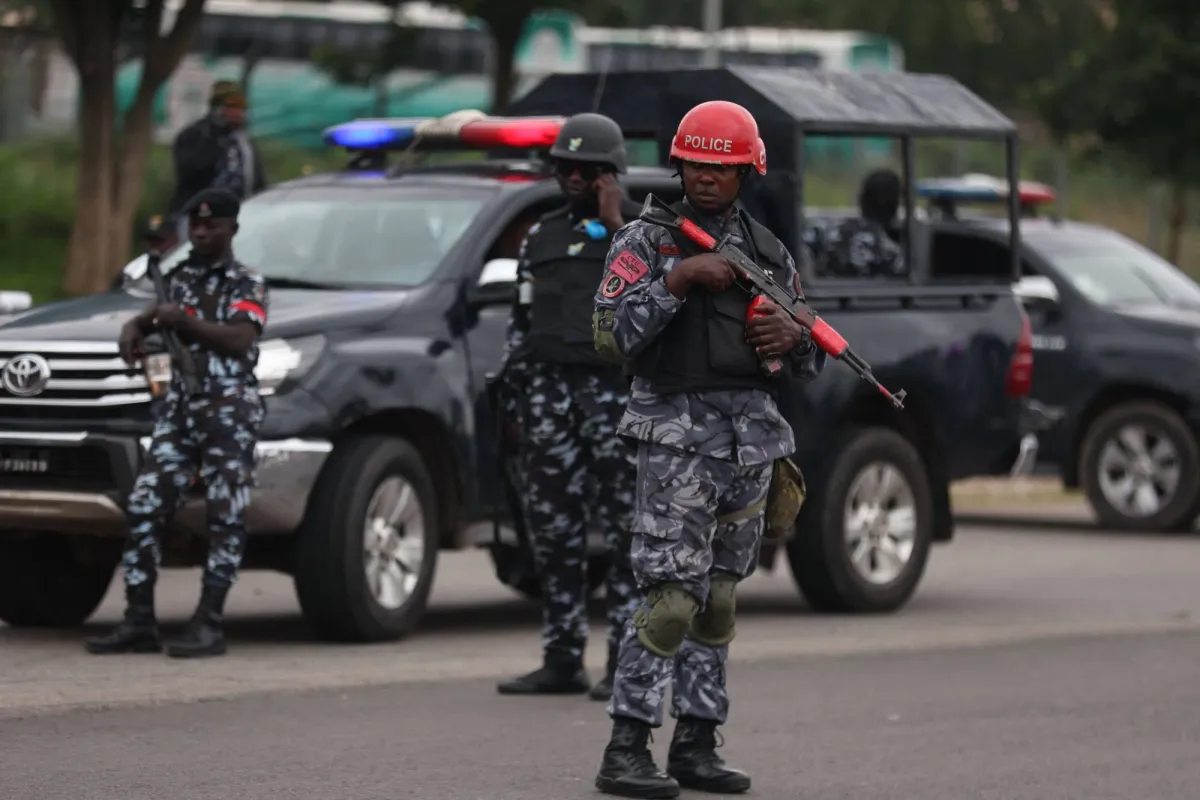
Gunmen stormed a church in the town of Idanre, Ekiti State, southern Nigeria, leading to the death of a priest while he was conducting an open mass. The attack occurred on Tuesday evening, where the assailants shot the priest directly before abducting several worshippers to an unknown location.
According to local sources, a group of armed men invaded the church grounds and opened fire on the priest, resulting in his immediate death. Subsequently, they kidnapped a group of worshippers, including the elderly and children, and took them towards the nearby forests.
Details of the Incident
Local media reports indicated that the attackers continued their assault for several minutes, causing panic among the town's residents. The local newspaper, Vanguard, attempted to reach the local police for details, but all attempts were unsuccessful, as the media officer for the command did not receive any calls or messages.
In light of these circumstances, a senior government official confirmed the occurrence of the attack, stating that security forces have been deployed in the area and are working to track down the assailants. He expressed confidence in rescuing the victims unharmed, but the number of those kidnapped has not been disclosed.
Background & Context
Nigeria is one of the countries grappling with rising sectarian violence, where religion and ethnicity intersect in conflicts. Attacks on churches and the kidnapping of Christians raise significant sensitivities, especially following international accusations regarding the government's failure to protect religious minorities. Former U.S. President Donald Trump accused the Nigerian authorities of neglecting to safeguard Christians, a claim denied by the Nigerian government, which stated that the conflict in the country is not religiously motivated.
The demographic distribution in Nigeria is nearly equal between Muslims in the north and Christians in the south, complicating the security landscape. Over the past years, the country has witnessed an increase in terrorist attacks, particularly from groups like Boko Haram and ISIS in West Africa.
Impact & Consequences
These incidents raise concerns about security in Nigeria, where residents live in a constant state of anxiety. Attacks on places of worship reflect escalating sectarian tensions and may exacerbate conflicts between different communities. Additionally, such events could negatively impact tourism and investment in the country, further increasing the economic burdens on the government.
The Nigerian government considers Muslims to be major victims of terrorist attacks as well, reflecting the complexities of a conflict that is not limited to a religious dimension but intersects with ethnic identities. This divergence in identities intensifies national polarization and complicates peace efforts.
Regional Significance
The events in Nigeria hold particular importance for the Arab region, reflecting the security challenges faced by many countries in the Islamic world. The rise of sectarian violence in Nigeria may also have repercussions on relations between Arab countries and Nigeria, especially in areas of security and economic cooperation.
In conclusion, this incident underscores the urgent need to enhance both international and local efforts to combat terrorism and sectarian violence, ensuring the protection of the rights of all citizens regardless of their religion or ethnicity.