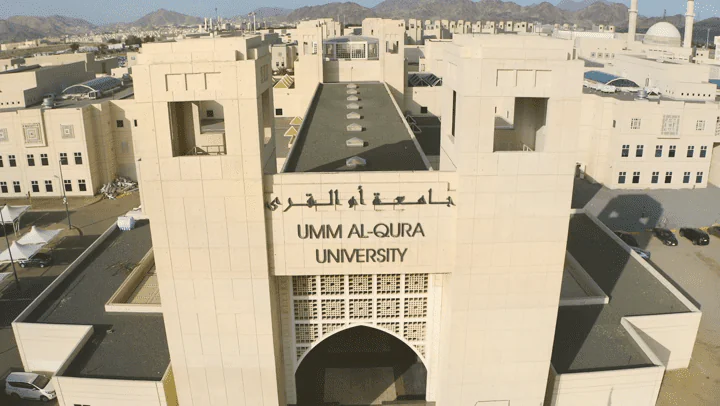
Umm Al-Qura University in Mecca launched the Hackathon for Historical Sites, gathering 120 participants from various disciplines to develop 25 innovative projects. This event aims to enhance awareness of historical sites in the Kingdom of Saudi Arabia and provide technological solutions that contribute to preserving cultural heritage.
The hackathon lasted for 48 hours, during which participants were divided into teams, each working on a project focused on using technology to highlight historical sites. The developed projects included smart applications, websites, and educational games, all designed to attract visitors and enhance the tourism experience.
Event Details
This hackathon was organized by several stakeholders, including the Ministry of Tourism, the Ministry of Culture, and Umm Al-Qura University. The event saw wide participation from students and those interested in technology and history, featuring workshops and lectures by experts in the field.
The event also included project evaluations by a specialized judging panel, which selected the best projects based on criteria such as innovation, community benefit, and feasibility. Winners were announced at the end of the event, with the winning teams receiving valuable prizes and support to implement their projects.
Background & Context
This initiative aligns with Saudi Arabia's efforts to promote cultural and heritage tourism, especially with Vision 2030, which seeks to diversify the economy and enhance the Kingdom's status as a global tourist hub. Historical sites are a fundamental part of the country's cultural identity, attracting visitors from both within and outside the Kingdom.
Historically, the Kingdom has witnessed many similar events aimed at integrating technology with heritage, reflecting a trend towards innovation in preserving culture and history. These events have contributed to raising public awareness of the importance of historical sites and their role in tourism development.
Impact & Consequences
The projects developed during this hackathon are expected to enhance cultural tourism, positively impacting the local economy. Additionally, using technology to highlight historical sites will help attract new visitor demographics, including youth and families.
Moreover, these initiatives foster a spirit of innovation among young people, contributing to skill development and preparing them for the job market in technology and tourism sectors. The collaboration between government entities and the academic sector reflects a comprehensive vision towards achieving sustainable development.
Regional Significance
This event serves as a model for other Arab countries, as it can help raise awareness of historical and cultural sites in the region. Many Arab nations possess rich cultural heritage that needs to be highlighted and preserved through technology.
The success of the Hackathon for Historical Sites at Umm Al-Qura University may encourage other countries to organize similar events, enhancing cultural and technological cooperation among Arab nations and reflecting the importance of heritage in national identity.
The Hackathon for Historical Sites at Umm Al-Qura University represents an important step towards integrating technology with cultural heritage, reflecting a trend towards innovation in preserving the Kingdom's cultural identity. Through these initiatives, we can foresee a bright future for cultural tourism in the region.