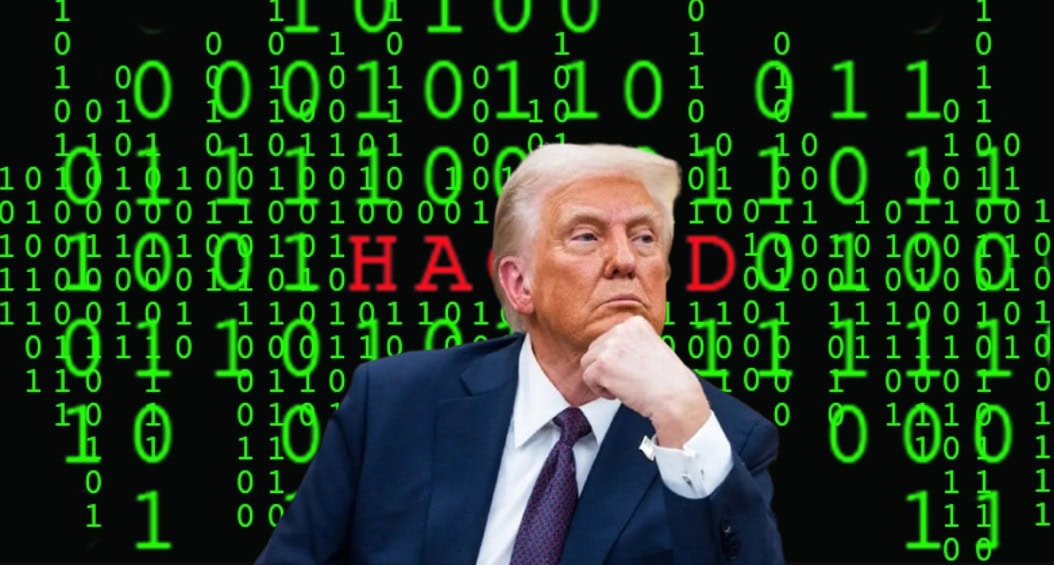
In a striking security incident, hackers believed to be linked to Iran have breached the personal email of the Director of the Federal Bureau of Investigation (FBI) and published excerpts of its contents online. This breach occurs against the backdrop of escalating tensions between the United States and Iran, raising questions about the cybersecurity of individuals in sensitive positions.
Details surrounding this breach are still unfolding, with reports suggesting that the hackers managed to access sensitive information that could impact security operations. Some messages related to security and political matters have been released, heightening concerns within American circles.
Details of the Incident
According to reports, the hackers employed advanced techniques to infiltrate the email account, reflecting a high level of planning and execution. This breach is part of a series of cyberattacks targeting U.S. government institutions, which have increased in frequency in recent years.
This incident is expected to lead to greater scrutiny of cybersecurity policies in the United States, as the FBI is considered one of the most important security agencies in the country. Furthermore, the publication of this information could cause significant embarrassment for the Director and the relevant security agencies.
Background & Context
Historically, relations between the United States and Iran have been marked by increasing tensions, especially following Washington's withdrawal from the nuclear agreement in 2018. Since then, Iran has taken numerous steps to enhance its cyber capabilities, making it one of the most active countries in the realm of cyberattacks.
Cyberattacks are viewed as part of Iran's strategy to counter U.S. pressures, as Tehran seeks to use technology as a means to respond to sanctions and political pressures. Several previous attacks targeting U.S. government institutions have been recorded, highlighting the urgent need to bolster cybersecurity.
Impact & Consequences
This breach could have significant implications for U.S. national security. It may lead to increased investments in cybersecurity and the development of new strategies to counter electronic threats. Additionally, this incident could escalate tensions between the United States and Iran, as it may be used as a pretext for heightened military or economic pressures on Tehran.
Moreover, this breach could affect public trust in the U.S. government's ability to protect sensitive information, potentially leading to internal political repercussions. The government may need to take urgent steps to restore confidence and enhance cybersecurity.
Regional Significance
In the Arab context, this incident may impact relations between Arab states and Iran. With rising tensions, Arab nations may find themselves compelled to reassess their security strategies. Furthermore, this breach could be leveraged by some countries to justify strengthening security cooperation with the United States in the face of Iranian threats.
In conclusion, this event underscores the importance of cybersecurity in the modern age, where cyberspace has become a new battleground for political conflicts. It necessitates that all nations, including Arab states, enhance their capabilities in this field to ensure the protection of their national interests.