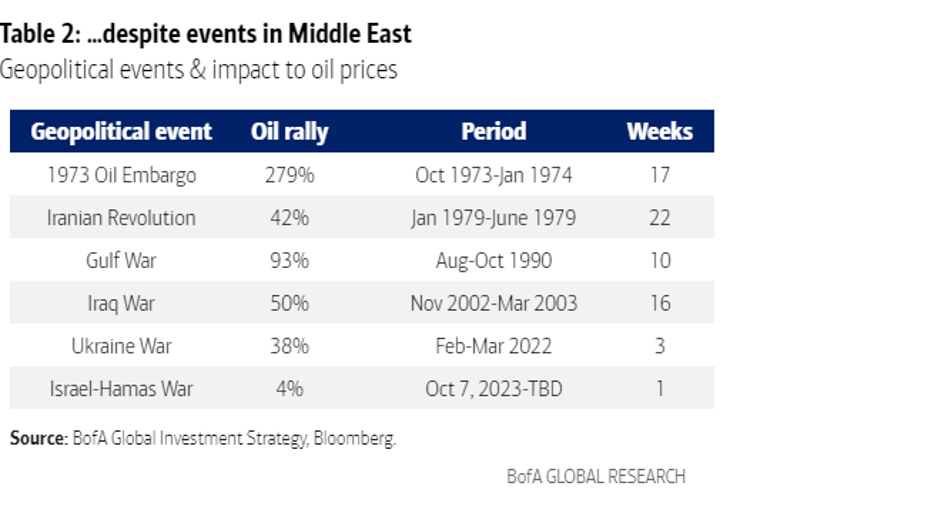
The government of Haiti has announced new austerity measures as part of its efforts to confront escalating economic challenges due to rising oil prices stemming from the ongoing conflict in Iran. These measures include reducing government expenditures and increasing taxes, aimed at improving the country's financial situation amidst the difficult circumstances it faces.
This move comes at a time when Haiti is suffering from multiple crises, including extreme poverty and rampant corruption, making it difficult for the government to provide basic needs for its citizens. The surge in oil prices, which have reached record levels, has intensified pressure on the Haitian economy, prompting the government to take stringent actions to address the situation.
Details of the Austerity Measures
In an official statement, the Haitian government confirmed that the austerity measures will include a reduction in the number of employees in the public sector, as well as a decrease in spending on developmental projects. The government will also work on increasing taxes on goods and services, which could directly impact the daily lives of citizens.
These actions come at a sensitive time, as many citizens are experiencing significant economic hardships, raising concerns about potential negative reactions from the Haitian public. The government hopes that these measures will help restore financial stability and provide the necessary resources to tackle the growing crises.
Background & Context
Historically, Haiti has endured recurring economic and political crises, having faced numerous natural disasters and political upheavals that have affected its stability. Since the devastating earthquake that struck the country in 2010, Haiti has struggled to fully recover, rendering it one of the poorest nations in the Western Hemisphere.
The war in Iran, which began in 2022, has led to significant disruptions in global oil markets, directly impacting oil-importing countries like Haiti. The rise in prices has increased the cost of living, further straining Haitian families who are already suffering from poverty.
Impact & Consequences
The Haitian government anticipates that the austerity measures will lead to long-term financial improvements; however, there are concerns that these actions may exacerbate the social and economic conditions within the country. The increase in taxes and reduction in expenditures could lead to public protests, especially given the challenging circumstances faced by citizens.
On the other hand, these measures may affect foreign investments in Haiti, as companies might hesitate to invest in an unstable economic environment. This could worsen the economic crises and heighten the challenges faced by the government.
Regional Significance
The economic crises in Haiti are a direct result of geopolitical tensions in other regions, such as Iran. The rise in oil prices could impact Arab countries that rely on oil exports as a primary source of revenue. Additionally, economic crises in countries like Haiti may lead to increased migration, affecting neighboring nations.
In conclusion, the austerity measures announced by Haiti reflect the significant challenges the country faces amid changing global conditions. It is crucial to monitor the developments in Haiti and their implications for the region as a whole.