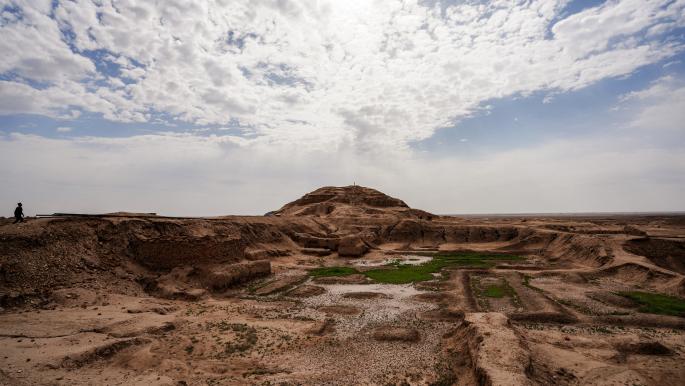
The ongoing conflict in Iran has led to the suspension of archaeological excavations in Iraq, as several foreign teams have left the country, negatively affecting archaeological research efforts.
Iraq is considered one of the richest countries in cultural and historical heritage, containing numerous archaeological sites dating back to ancient civilizations such as the Sumerians and Akkadians. However, the unstable security and political conditions in the region have resulted in a significant decline in archaeological activities.
Details of the Situation
Reports indicate that many foreign excavation missions, which were operating in Iraq, were forced to leave the country due to the deteriorating security situation caused by the war in Iran. These missions represented an important international effort to preserve Iraqi cultural heritage and contributed to valuable archaeological discoveries in recent years.
The halt in excavation work means that many archaeological sites will remain unexplored, potentially leading to the loss of more important historical information. Additionally, the departure of foreign teams also means that Iraq will face difficulties in recovering its threatened cultural heritage.
Background & Context
Historically, Iraq has suffered from numerous conflicts and wars that have impacted its cultural heritage. Since the American invasion in 2003, the country has witnessed a deterioration in security conditions, affecting all aspects of life, including cultural and archaeological activities.
The current war in Iran, which has direct effects on Iraq, has complicated the situation further. The armed conflict and political unrest in the neighboring country affect Iraq's stability, making it difficult for archaeological teams to operate safely.
Impact & Consequences
The suspension of excavation work in Iraq has negative consequences for scientific research and archaeological studies. The loss of foreign teams means a reduction in the resources and expertise necessary to preserve cultural heritage. This halt may also lead to a decline in cultural tourism, which is an important source of national revenue.
Moreover, the failure to explore archaeological sites may result in the loss of more valuable artifacts, which could be subject to looting or destruction amid deteriorating security conditions.
Regional Significance
Iraq is considered a significant cultural center in the Arab world, and the halt of excavation work there may affect neighboring countries. Iraq, with its rich heritage, is part of the Arab cultural identity, and any decline in this heritage impacts the cultural awareness of the entire region.
Furthermore, the security situation in Iraq may affect stability in neighboring countries, increasing regional tensions. Therefore, preserving cultural heritage in Iraq is not just a local issue, but a matter of concern for all Arab countries.