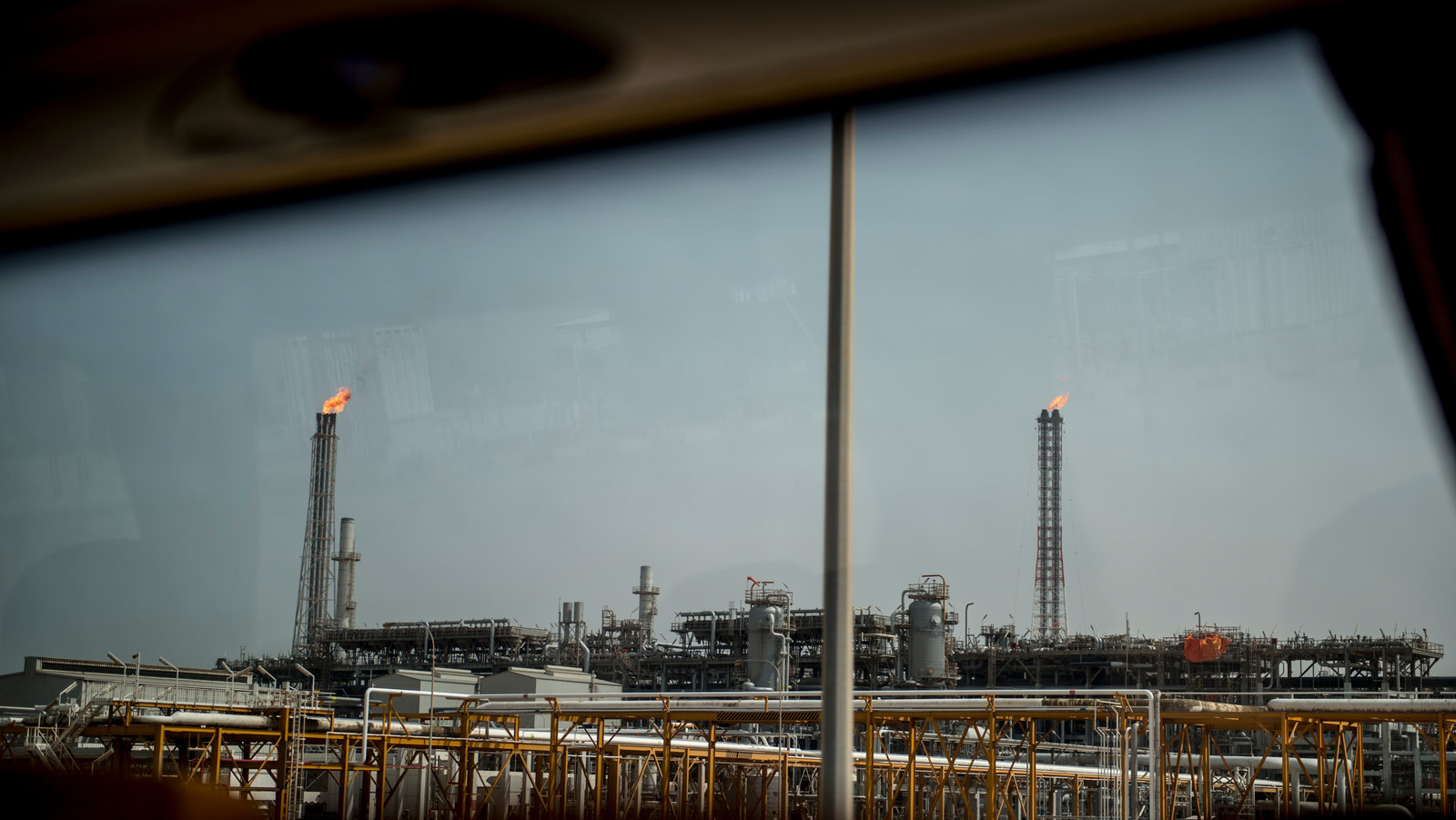
The suspension of liquefied natural gas shipments from Qatar for two months has led to a sharp increase in prices in European and Asian markets, negatively impacting electricity and heating costs in several countries. This comes at a time when global markets are facing a gas supply shortage due to the ongoing war in Iran and the closure of the Strait of Hormuz.
The United States is the largest exporter of natural gas, but it is currently operating at full capacity, making it unable to fill the gap left by the halt of Qatari supplies. The New York Times reported that prices in Europe and Asia have surged to as much as six times the prices within America since the outbreak of the war on February 28.
Details of the Event
The halt in production at the Qatari Ras Laffan facility, one of the region's key energy assets, has resulted in a loss of approximately 17% of its production capacity due to missile strikes. Additionally, the Strait of Hormuz, through which about 20% of global liquefied natural gas trade passes, has become nearly inactive, exacerbating the supply crisis.
The United States is working on building new export terminals in Texas and Louisiana, but these projects require massive investments and take years to complete, making them unable to provide a quick solution to the current crisis. The U.S. Energy Information Administration reported that U.S. natural gas exports reached about 18 billion cubic feet per day in March, with an expected increase of 18% this year.
Background & Context
Natural gas accounts for about a quarter of the global energy mix, and demand is increasing with the rising consumption of electricity, including demand from data centers linked to artificial intelligence technologies. However, rising prices have begun to prompt some countries to reassess their reliance on gas, with Europe recording a consumption decline of about 4% in March compared to the previous year.
Pressure is mounting on gas-consuming countries, as some Asian nations have started to shift to alternative fuels, while investments in renewable energy are accelerating. Record exports of solar panels, particularly from China, have been noted amid these changing circumstances.
Impact & Consequences
The International Energy Agency predicts that the damage to Qatari infrastructure could delay global supply growth for at least two years. Under this pressure, consuming countries must reassess their energy strategies.
Global energy companies are seeking new reserves of natural gas, with Shell announcing an acquisition deal for a Canadian gas producer worth $16.4 billion, reflecting an increasing race to secure supplies in a market that has become more volatile.
Regional Significance
Arab countries are directly affected by these fluctuations in gas prices, as many rely on natural gas revenues. With increasing economic pressures, Arab nations may need to reconsider their energy strategies and expand investments in renewable energy sources.
In conclusion, these developments highlight the importance of diversifying energy sources and reducing reliance on natural gas, which may contribute to enhancing energy security in the region.