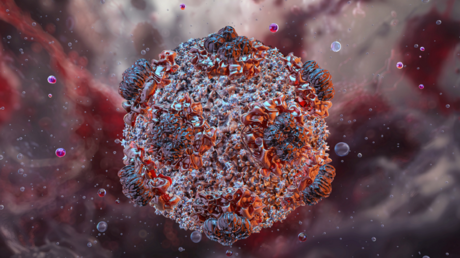
An outbreak of Hantavirus aboard a cruise ship has sparked significant concern, bringing back memories of the COVID-19 pandemic. However, health experts indicate that Hantavirus is less capable of spreading among humans compared to COVID-19.
Hantavirus is typically transmitted through rodents and is considered less common in human infections. According to experts, the virus does not easily spread from person to person, making it less dangerous in the context of a global pandemic outbreak.
Details of the Outbreak
Cases of Hantavirus infection were reported on a cruise ship sailing in international waters, raising considerable alarm. Nonetheless, experts assure that the virus does not pose the same level of threat as COVID-19.
The affected cases were promptly managed, with patients isolated and provided with necessary medical care. Local health authorities are actively tracing contacts and offering guidance to ensure the safety of passengers.
Background & Context
Hantavirus was first discovered in the United States in the 1980s, and since then, only limited cases have been recorded. The virus primarily spreads through inhalation of dust contaminated with rodent urine or feces, making it less common in urban areas.
Health officials stress the importance of understanding the transmission dynamics of Hantavirus, especially in light of recent cases. The rarity of human-to-human transmission contributes to its classification as a lower-risk virus.
Impact & Consequences
The recent outbreak of Hantavirus highlights the importance of preparedness for emerging viruses. While the virus does not currently pose a significant threat, experts warn of the necessity to take appropriate precautions to prevent any future outbreaks.
Public health measures and awareness campaigns are crucial in educating communities about the risks associated with Hantavirus and the importance of maintaining hygiene to mitigate potential infections.
Regional Significance
The implications of the Hantavirus outbreak extend beyond the immediate health concerns, as it serves as a reminder of the potential for new viruses to emerge. Health authorities are urged to remain vigilant and proactive in monitoring and responding to such incidents.
In conclusion, while the Hantavirus outbreak on the cruise ship has raised alarms, it is essential to differentiate between this virus and COVID-19. Continuous research and public health strategies are vital in managing and mitigating the risks posed by emerging infectious diseases.