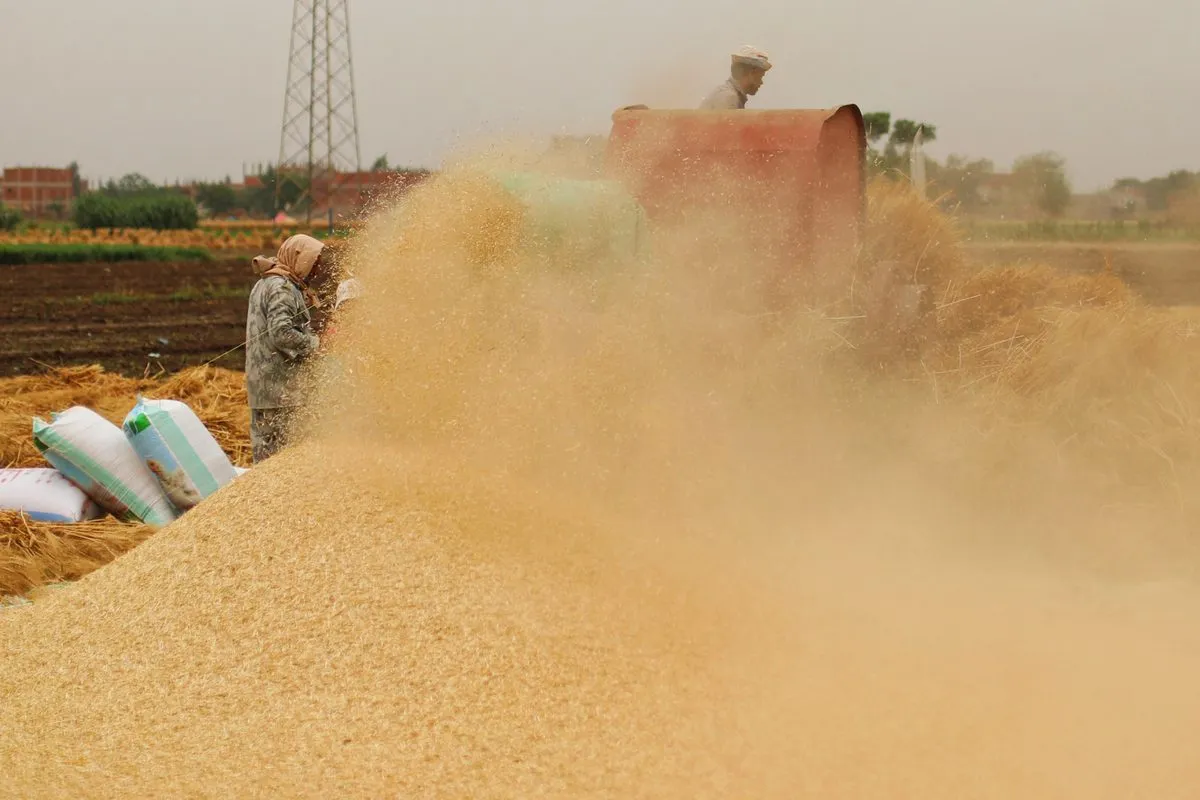
Official sources in Fayoum Governorate have reported the delivery of approximately 173,000 tons of wheat since the start of the harvest season, showcasing the success of efforts made by farmers and agricultural cooperatives in the region. This achievement comes at a critical time as the country strives for self-sufficiency in strategic crops.
Fayoum Governorate is considered one of Egypt's important agricultural areas, distinguished by its diverse agricultural products, particularly wheat. In recent years, the Egyptian government has shown increased interest in enhancing local wheat production amid global economic challenges.
Event Details
The wheat harvest season in Fayoum began earlier this year, with collection and delivery operations starting in late April. The delivery processes have been organized through accredited collection centers, facilitating farmers in delivering their crops in an orderly manner. Officials noted that the quantities delivered so far represent a significant increase compared to previous years.
The Egyptian government's plan also includes providing technical and financial support to farmers, contributing to improving crop quality and increasing production. Subsidized fertilizers and pesticides have been made available, along with necessary agricultural guidance.
Background & Context
Historically, wheat is considered a strategic crop in Egypt, heavily relied upon for food security. In recent years, the country has faced multiple challenges, including climate change and rising global food prices. Therefore, enhancing local wheat production is a vital step to address these challenges.
The Egyptian government aims to achieve self-sufficiency in wheat in the coming years, as this step is part of its comprehensive agricultural strategy. Substantial budgets have been allocated to support this sector, reflecting the importance of wheat in the Egyptian economy.
Impact & Consequences
The increase in wheat quantities delivered from Fayoum has positive effects on the local economy, contributing to the creation of new job opportunities and enhancing farmers' income. This success also strengthens Egypt's ability to face potential food crises.
Moreover, achieving self-sufficiency in wheat could help reduce dependence on imports, thereby enhancing the stability of the local currency and reducing inflationary pressures. This, in turn, positively impacts the living standards of citizens.
Regional Significance
The experience of Fayoum in increasing wheat production serves as a model for countries in the region facing similar food security challenges. Enhancing local production of strategic crops can contribute to achieving food stability in the region.
Additionally, cooperation among Arab countries in agriculture can facilitate the exchange of experiences and modern technologies, strengthening countries' abilities to face common challenges. Enhancing food security is a top priority amid current global conditions.
In conclusion, the success of Fayoum Governorate in delivering large quantities of wheat reflects the efforts made to boost local production and represents an important step towards achieving self-sufficiency in strategic crops. This achievement should motivate other governorates to adopt similar strategies.