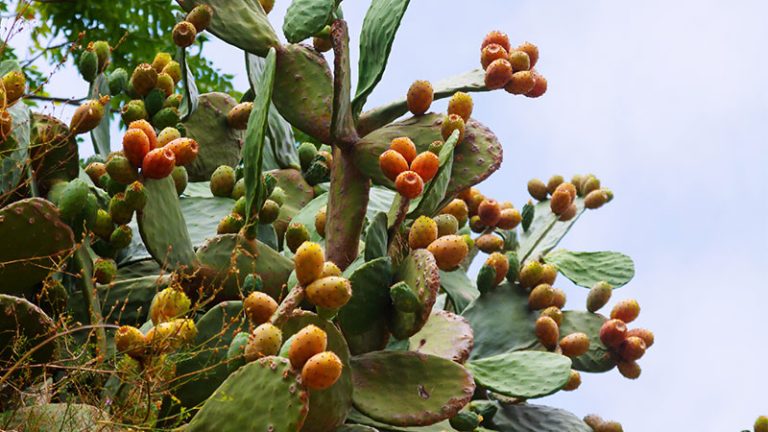
Prickly pear, also known as cactus fruit, is one of the most distinctive fruits in the world. This fruit is characterized by its vibrant color and unique taste, along with its numerous health benefits. Prickly pear is cultivated in hot and arid regions, making it an important agricultural crop in many countries.
The prickly pear fruit is high in fiber, making it an excellent choice for improving digestive health. It is also rich in vitamins such as Vitamin C and B vitamins, as well as minerals like magnesium and potassium. These nutrients play a vital role in boosting immunity and enhancing overall health.
Health Benefits and Nutritional Value
Studies indicate that prickly pear contains powerful antioxidants that contribute to combating chronic diseases such as diabetes and heart disease. Consuming this fruit can also help lower harmful cholesterol levels in the body. It is recommended to eat prickly pear fresh or in juice form to maximize its health benefits.
Additionally, prickly pear is a good source of hydration, which helps keep the body hydrated, especially in hot climates. It can be enjoyed as a snack or added to salads and main dishes for a distinctive flavor.
Background & Context
Historically, indigenous peoples in Latin America have used prickly pear as both food and medicine. Over time, its cultivation spread to other regions such as the Mediterranean and the Middle East. Today, prickly pear is considered part of the culinary culture in many countries, where it is used in preparing desserts and beverages.
Growing prickly pear requires specific climatic conditions, as it thrives best in dry and hot areas. It is regarded as a sustainable crop since it can grow in poor soil and requires minimal water.
Impact & Consequences
The cultivation of prickly pear contributes to supporting local economies in many countries, providing job opportunities for farmers and aiding in the development of rural communities. Furthermore, the increasing demand for this fruit in global markets enhances its economic value.
Despite its numerous benefits, prickly pear faces challenges such as climate change and agricultural pests. Therefore, researching sustainable cultivation methods is essential to preserve this valuable fruit.
Regional Significance
In the Arab region, prickly pear is part of the culinary heritage, cultivated in countries like Morocco, Tunisia, and Egypt. It is used in preparing many traditional dishes, reflecting the diversity of the region's food culture.
Arab countries are striving to enhance the cultivation of prickly pear as part of their food security strategies, as it is considered a drought-resistant crop. Promoting its cultivation can improve the economic situation of farmers and increase local production.
In conclusion, prickly pear is not just a delicious fruit; it symbolizes culinary heritage and offers multiple health benefits. Communities should take advantage of this fruit and promote its cultivation to achieve sustainable economic and health benefits.