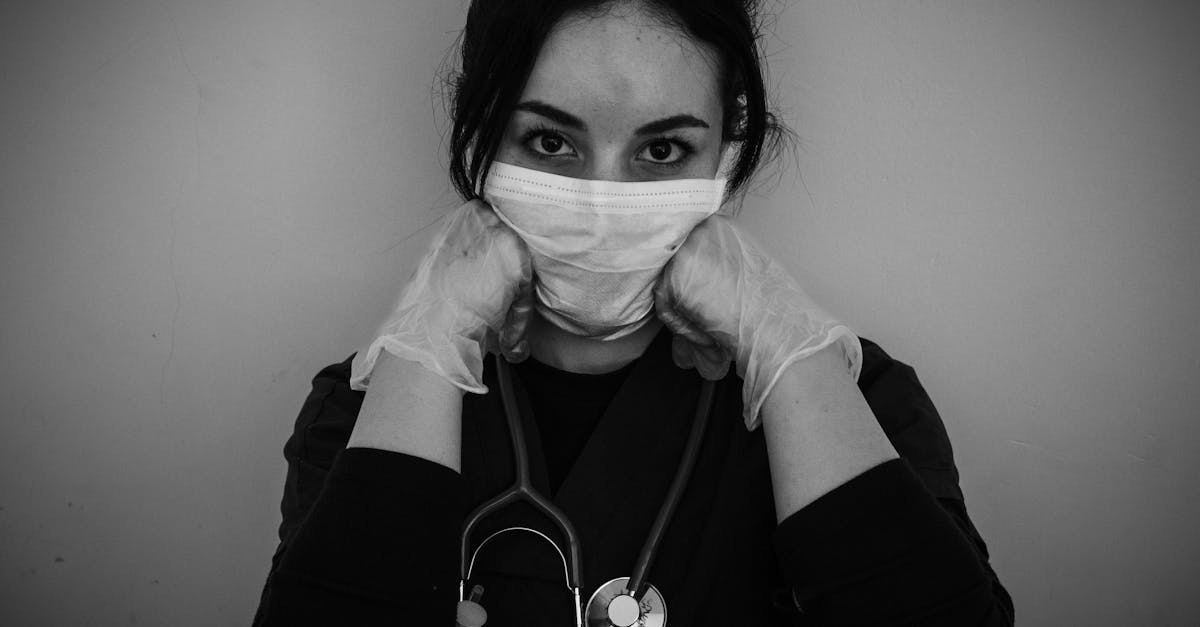
Narges Mohammadi, a prominent Iranian human rights activist, is facing a serious health crisis as reported by her husband, Taghi Rahmani. Currently receiving treatment in a hospital in Zanjan, northwestern Iran, Rahmani, who resides in Paris, expressed his concerns via social media platform X, stating that Mohammadi's blood pressure has dropped to dangerously low levels, raising alarms about her health future.
Mohammadi is recognized as one of the leading figures in the fight for human rights, having been awarded the Nobel Peace Prize for her efforts in advocating for women's rights and freedom in Iran. However, her ongoing incarceration has posed significant challenges, adversely affecting her physical and mental health.
Details of the Situation
The current events unfold at a critical time for Mohammadi, who was arrested earlier due to her activism in human rights. She was transferred to the hospital after her health deteriorated while serving her sentence in prison. This harsh situation reflects the conditions faced by many activists in Iran, where women are subjected to discrimination and persecution for demanding basic rights.
Rahmani, living in exile, has voiced deep concern for his wife's health, urging the international community to intervene and pressure Iranian authorities to improve prison conditions. He also emphasized the need to highlight the suffering of women in Iran, especially under the current circumstances.
Background & Context
Historically, Iran has witnessed repeated violations of human rights, particularly against women. Since the Islamic Revolution in 1979, strict restrictions have been imposed on freedom of expression and women's rights. Mohammadi is not alone in this context, as many other activists face similar fates.
Her case exemplifies the challenges women in Iran encounter as many strive to change the social and political landscape. Nevertheless, government repression remains a significant barrier to achieving these goals.
Impact & Consequences
The deterioration of Narges Mohammadi's health could have profound implications for the women's movement in Iran. It may lead to increased international awareness regarding human rights issues in the country, potentially prompting the global community to take more effective actions against violations. Additionally, this situation might encourage more activists to continue their struggle despite the risks involved.
On the other hand, Mohammadi's continued detention under critical health conditions may reflect the Iranian government's unwillingness to respond to international pressures, complicating the political situation in the country further.
Regional Significance
The case of Narges Mohammadi also highlights the challenges faced by women in the Arab region. Many women in Arab countries suffer from human rights violations, underscoring the need for greater support for activists in these nations. Solidarity with human rights issues in Iran could positively impact women's movements in Arab countries.
In conclusion, Narges Mohammadi's situation remains a focal point for the world, as calls from various quarters increase for pressure on the Iranian government to improve human rights conditions. Supporting activists in Iran represents a crucial step toward achieving justice and equality in the region.