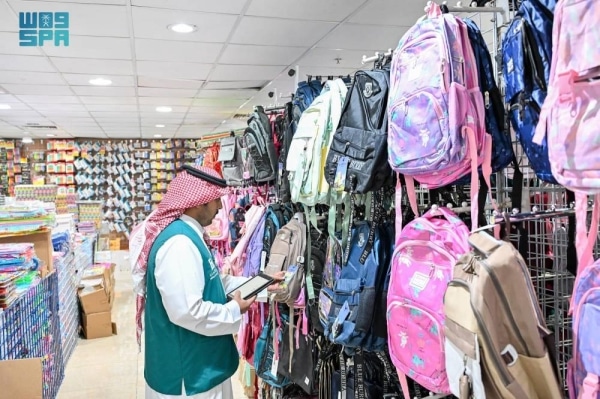
In a move aimed at enhancing public health and ensuring a safe return for students to schools, Imam Abdul Rahman Al Faisal Hospital has announced a set of health guidelines. These guidelines come at a time when students are preparing to return to their classrooms after a long period of remote learning due to the COVID-19 pandemic.
The guidelines include several key points, such as the importance of adhering to social distancing, the necessity of wearing masks, and enhancing personal hygiene through frequent hand washing. The hospital also recommended that necessary medical check-ups be conducted before the start of the academic year to ensure the safety of students.
Event Details
The Ministry of Education, in collaboration with the Ministry of Health, seeks to provide a healthy and safe educational environment, with these guidelines prepared in coordination with public health specialists. Reports have confirmed that adherence to these guidelines can reduce the spread of infectious diseases among students, contributing to the continuity of the educational process without interruption.
The hospital also highlighted the importance of health awareness among students and parents, as families should be aware of how to deal with any symptoms that may appear in their children and seek medical facilities if necessary.
Background & Context
These guidelines come amid the ongoing impact of the COVID-19 pandemic on the educational system in many countries. Schools have faced significant challenges in recent years due to the virus's spread, leading to prolonged school closures and a shift to remote learning.
As the new academic year approaches, countries are striving to safely restore educational activities, with the return to schools representing a crucial step in returning life to normal. Studies have shown that in-person education has a positive impact on academic achievement and the social growth of students.
Impact & Consequences
The Ministry of Education expects these guidelines to help reduce health risks associated with students returning to schools. Additionally, adherence to preventive measures may enhance parents' confidence in the educational system, encouraging a greater return of students to schools.
On the other hand, these guidelines may affect how classrooms are organized, as schools may need to rearrange seating and limit the number of students in each class to ensure social distancing. These changes may require additional resources and careful planning by school administrations.
Regional Significance
These guidelines serve as a model for Arab countries facing similar challenges in returning to schools. Other nations can benefit from the experiences and knowledge gained during the COVID-19 pandemic.
Moreover, collaboration between the Ministries of Education and Health in Arab countries can contribute to developing effective strategies to address health challenges, enhancing the ability of educational systems to adapt to changing circumstances.
In conclusion, these guidelines represent an important step towards ensuring a safe and healthy return for students to schools, reflecting the commitment of relevant authorities to protect students' health and ensure the continuity of education.