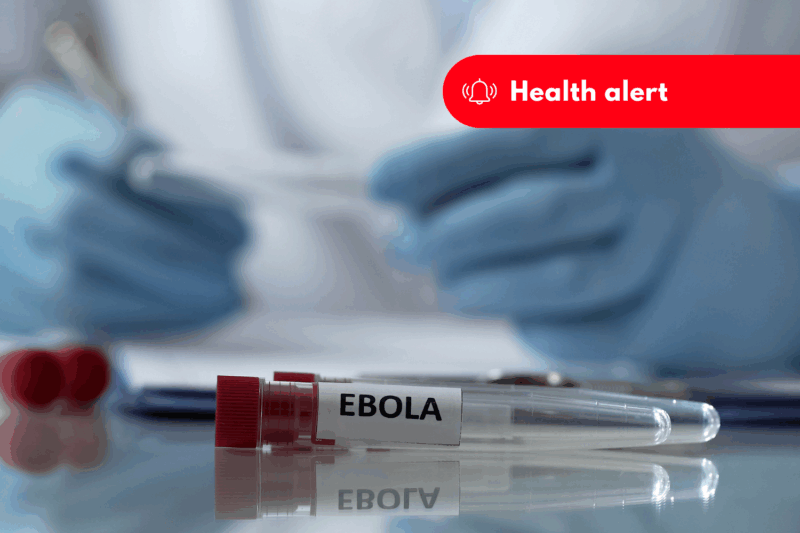
The Health Ministry expressed condolences to the family of the deceased who died from Ebola, emphasizing the importance of health awareness to combat this dangerous virus. This comes amid rising fears of the virus spreading in certain areas, necessitating intensified efforts to mitigate its risks.
Ebola is considered one of the deadliest viruses that has caused numerous outbreaks in recent years, leading to severe symptoms including high fever and bleeding. Reports indicate that the deceased was infected while working in an area affected by the virus, highlighting the need for effective preventive measures to protect healthcare workers.
Details of the Incident
The deceased passed away after a battle with the virus, having been transferred to the hospital after symptoms appeared. Despite medical efforts, his health deteriorated rapidly, leading to his death. The Health Ministry expressed deep sorrow over the loss of a medical staff member, affirming the importance of supporting his family during these difficult times.
The ministry also stressed the need to intensify awareness campaigns regarding the Ebola virus and the necessity of taking precautions in at-risk areas. It pointed out that the virus still poses a real threat to public health, requiring everyone's cooperation to confront it.
Background & Context
The Ebola virus first emerged in 1976, and since then, the world has witnessed several outbreaks, particularly in West African countries. The mortality rates from Ebola range from 25% to 90%, making it one of the most dangerous known viruses. International community efforts have contributed to controlling some outbreaks, yet the virus remains a significant challenge.
In recent years, effective vaccines against the Ebola virus have been developed, helping to reduce the number of infections and deaths. However, there is still an urgent need to strengthen healthcare systems in at-risk countries to ensure a rapid and effective response to any future outbreaks.
Impact & Consequences
The death of the deceased underscores the importance of preparedness for epidemics, as any new infection case could lead to a rapid outbreak of the virus. Governments and health authorities must be ready to provide necessary care and educate the public on how to prevent the virus.
This incident also highlights the need for enhanced international cooperation in public health, as viruses can easily cross borders. Therefore, the exchange of information and experiences between countries is vital to address global health challenges.
Regional Significance
Although the Ebola virus has not recorded significant cases in Arab countries, concerns about the virus's transmission remain. Arab nations must be prepared to face any emergencies by strengthening healthcare systems and providing necessary training for healthcare workers.
This incident serves as a reminder of the importance of prevention and health awareness, as any infection case can lead to widespread repercussions. Thus, the Arab community must collaborate to enhance health awareness and provide necessary information to confront any future health threats.