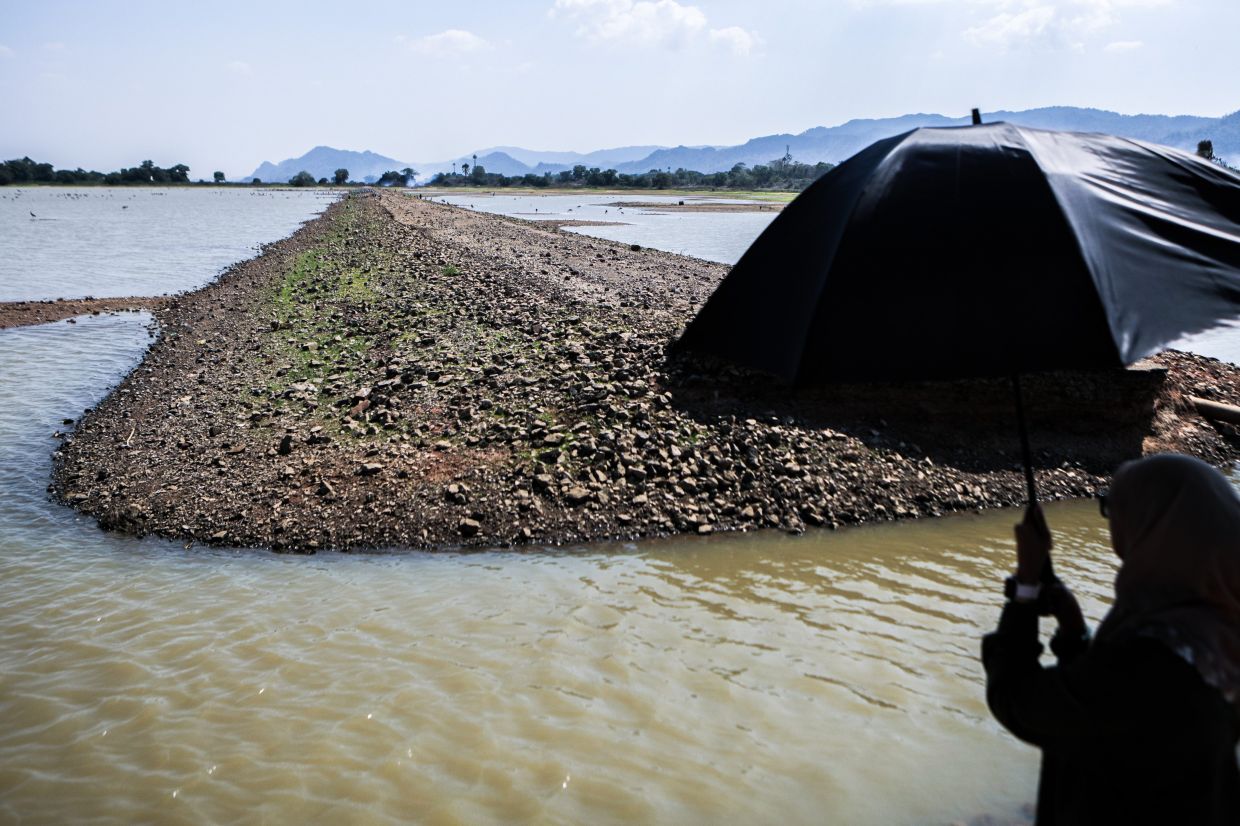
The Malaysian Meteorological Department has reported a level two heatwave affecting five areas in Kedah, along with Hulu Perak and Perlis. This comes as the country experiences a significant rise in temperatures, raising concerns among local residents.
This heatwave is part of a growing climatic pattern in the region, where temperatures are reaching unprecedented levels. Authorities have warned of potential health risks, especially for vulnerable groups such as children and the elderly.
Details of the Heatwave
According to reports from the Meteorological Department, the affected areas include five regions in Kedah: Kedah, Kota Star, Bedor, and Bukit Mertajam, in addition to Hulu Perak and the entire state of Perlis. These areas have been classified under level two of high temperatures, meaning that temperatures could reach 37 degrees Celsius or higher.
This heatwave comes at a sensitive time, as many residents are suffering from the effects of climate change, increasing the need for preventive measures. Authorities have urged residents to avoid direct sunlight during peak hours and to drink adequate amounts of water.
Background & Context
Historically, Malaysia has experienced climatic fluctuations, but recent changes in temperatures indicate the impacts of climate change affecting the entire globe. Studies have shown that the rising temperatures in the region are due to a combination of factors, including carbon emissions and human activities.
In recent years, heatwaves have become more common in Southeast Asia, raising concerns about food security and public health. Research has indicated that these climatic phenomena impact agriculture and water resources, increasing the challenges faced by countries in the region.
Impact & Consequences
Heatwaves can lead to negative effects on public health, with increased cases of heat stress and dehydration. Additionally, rising temperatures affect agricultural production, potentially leading to crop shortages and rising prices.
Moreover, these climatic conditions may lead to increased energy demand, as people seek to cool their homes. This can place additional pressure on electrical grids, increasing the risk of power outages.
Regional Significance
The Arab region is also susceptible to heatwaves, with many Arab countries experiencing significant rises in temperatures. Studies have shown that climate change significantly impacts the climate in the Middle East, increasing the likelihood of severe heatwaves.
In this context, Arab countries must adopt strategies to adapt to these climatic changes, including improving water management and promoting sustainable agriculture. Governments also need to enhance public awareness about the risks of heatwaves and preventive measures.
In conclusion, the current heatwave in Malaysia serves as a warning of the climatic changes affecting the entire world. Immediate responses from governments and communities are required to adapt to these escalating climatic challenges.