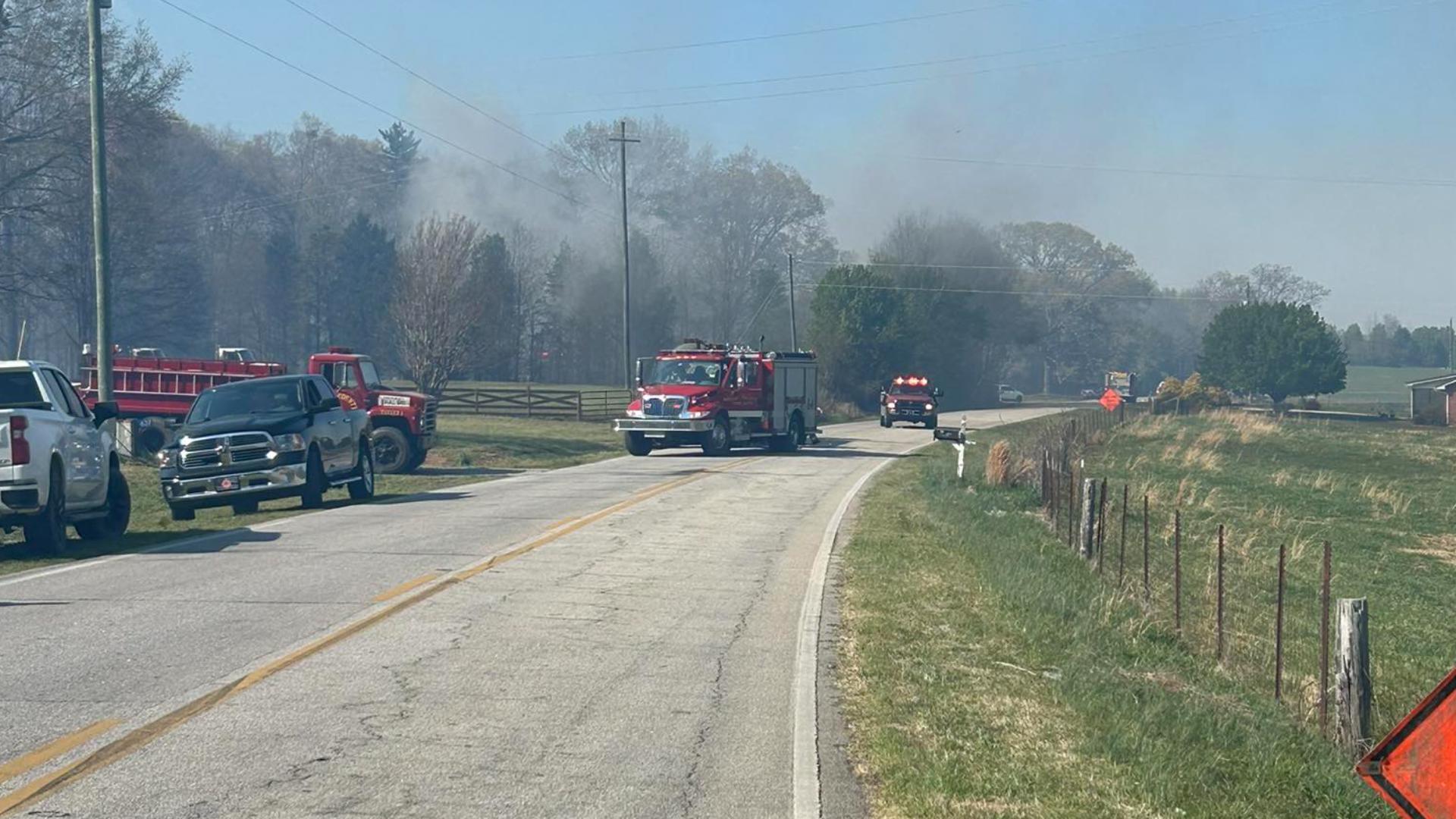
Georgia experienced heavy rainfall over the weekend, contributing to slowing the spread of large wildfires that have swept through the region. Despite the rainy conditions, new fires have ignited in other areas, raising concerns about the firefighting teams' ability to control the situation.
Firefighting efforts continue against the wildfires that have spread over vast areas, with fires reported in two main regions. The rainfall has reduced the intensity of the flames in some areas, but the unpredictable weather conditions could reignite the fires at any moment.
Event Details
The wildfires in Georgia are among the biggest challenges faced by local authorities, causing evacuations in some areas. Reports indicate that the rainfall was sufficient to ease the intensity of the fires in certain regions, but it had little effect on the new fires that have broken out.
Firefighting teams are working diligently to combat the flames, deploying helicopters and drones to assist in extinguishing the fires. However, sudden changes in weather may exacerbate the situation, requiring constant readiness from the firefighting teams.
Background & Context
Wildfires are a recurring phenomenon in the United States, particularly during the summer months. The frequency of these fires has increased in recent years due to climate change and rising temperatures. In Georgia, forests are an important source of natural resources, making their preservation essential.
Historically, Georgia has experienced significant wildfires, but current challenges necessitate new strategies to combat this phenomenon. Local authorities are collaborating with federal agencies to address these challenges, reflecting the importance of coordination among various stakeholders.
Impact & Consequences
Wildfires pose a significant threat to the environment and the local economy. These fires lead to the destruction of natural habitats and adversely affect wildlife. The economic damages resulting from these fires can be substantial, necessitating significant investments in firefighting and recovery efforts.
These conditions require a swift and effective response from authorities, as the fires can exacerbate humanitarian crises in affected areas. Additionally, the environmental impacts may persist for years, necessitating long-term strategies for forest preservation.
Regional Significance
Although the wildfires in Georgia may seem distant from the Arab region, the climate changes leading to increased wildfires represent a global challenge. Many Arab countries are suffering from the effects of climate change, making it essential to exchange experiences and strategies to address these phenomena.
Arab countries can benefit from the United States' experiences in managing wildfires, especially under changing climatic conditions. International cooperation in combating climate change can contribute to improving countries' responses to such crises.