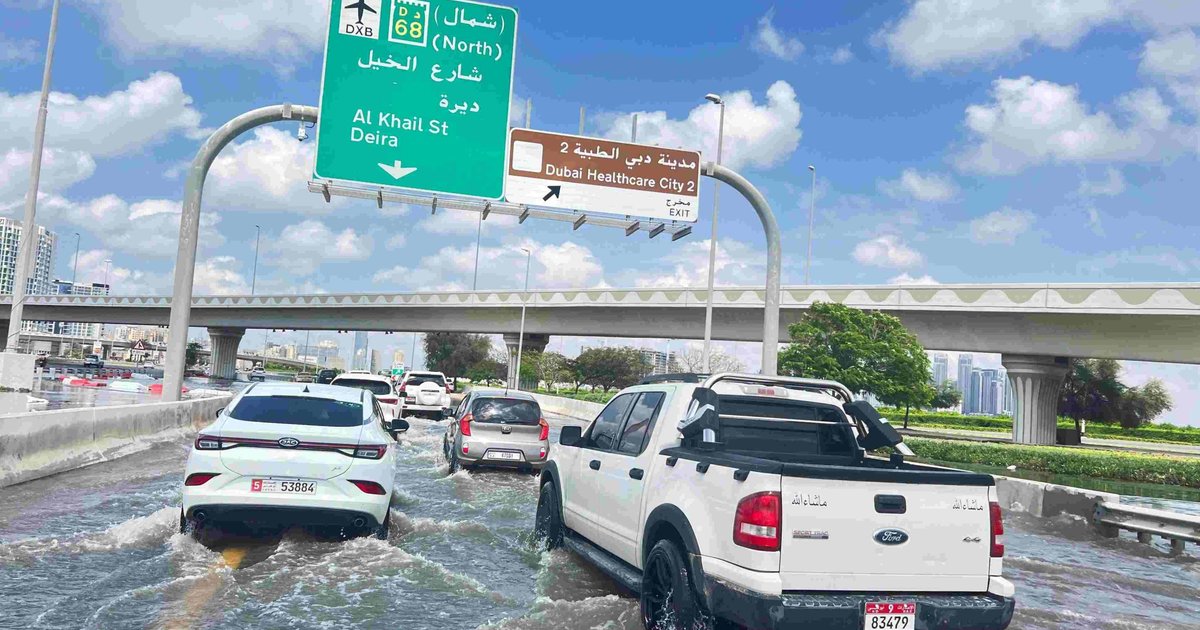
Heavy rainfall in the United Arab Emirates has flooded numerous homes and damaged vehicles, causing chaos in several areas. Residents reported significant damage as water inundated streets and homes, making mobility extremely difficult. Some areas were particularly affected, necessitating intervention from local authorities.
In regions such as Dubai and Abu Dhabi, the intense rainfall led to water accumulation in the streets. Images circulated on social media depicted alarming scenes of cars submerged in water, prompting many residents to report substantial damage to their properties.
Event Details
The rain fell heavily over several hours, resulting in rising water levels in some areas. The meteorological authority issued warnings to residents to exercise caution while driving. Additionally, some major roads were closed due to flooding, leading to traffic delays.
Meanwhile, emergency teams conducted rescue operations in the most affected areas, evacuating some families from their homes. Officials indicated that there are emergency plans in place to address these conditions, including providing assistance to affected residents.
Background & Context
Heavy rainfall in the UAE is a rare event, as the country typically experiences a dry desert climate. However, climate change may lead to unpredictable weather fluctuations, making such phenomena more common. In recent years, some areas in the Arabian Gulf have seen an increase in rainfall intensity, raising concerns about infrastructure and its ability to cope with such conditions.
Historically, the UAE relied on traditional systems for water management, but with increasing climate challenges, the government has begun investing more resources into developing modern systems to improve water management and address flooding.
Impact & Consequences
The effects of flooding extend beyond physical damage, impacting residents' daily lives. With homes and vehicles damaged, residents face significant challenges in returning to normalcy. Furthermore, these events may increase pressure on public services, such as electricity and water, necessitating a swift government response.
Moreover, flooding could affect the local economy, potentially causing business interruptions and service disruptions. The government is expected to take measures to compensate those affected and support the local economy in facing these challenges.
Regional Significance
This phenomenon serves as a reminder that climate change affects all countries in the region. With increasing flood intensity and heavy rainfall, Arab nations must consider new strategies to adapt to these changes. Strengthening regional cooperation in water and energy management may be essential.
In conclusion, the recent flooding in the UAE highlights the urgent need for improved infrastructure and urban planning to address climate challenges. Climate change is not merely a local issue but one that requires a collective response from all Arab nations.